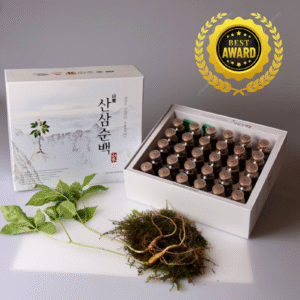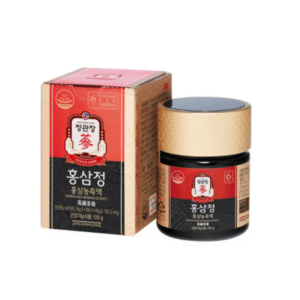
Kidney health plays a critical role in overall well-being, and many people now explore ginseng for improving kidney filtration function as part of a preventive strategy. The kidneys filter waste, regulate electrolytes, and maintain fluid balance. Therefore, protecting renal filtration is essential for long-term metabolic stability. Among herbal options, Korean ginseng has gained attention due to its bioactive compounds and emerging clinical research.
In this evidence-based guide, we will examine how Korean red ginseng may support kidney filtration, what science says about its mechanisms, and how to choose a safe, high-quality product.
Understanding Kidney Filtration Function
The kidneys contain approximately one million nephrons each. These microscopic structures filter blood through the glomerulus. This process produces urine and removes toxins such as urea and creatinine.
Glomerular filtration rate (GFR) is the key measurement of kidney filtration function. When GFR declines, waste accumulates. Over time, chronic kidney disease (CKD) may develop.
Common factors that impair kidney filtration include:
- Diabetes mellitus
- Hypertension
- Chronic inflammation
- Oxidative stress
- Exposure to nephrotoxic substances
Because oxidative stress and inflammation drive much of this damage, researchers have investigated botanical compounds with antioxidant and anti-inflammatory effects.
Why Consider Ginseng for Improving Kidney Filtration Function?
Ginseng refers to plants from the Panax genus. Among them, Korean ginseng (Panax ginseng) is the most extensively studied. When steamed and dried, it becomes Korean red ginseng.
The pharmacologically active compounds in Korean ginseng are called ginsenosides. These saponins influence multiple biological pathways.
Emerging data suggests that ginseng for improving kidney filtration function may work through:
- Reducing oxidative stress
- Modulating inflammatory cytokines
- Improving endothelial function
- Supporting microcirculation
- Regulating nitric oxide production
These mechanisms are highly relevant to kidney filtration, which depends on intact microvascular health.
Mechanisms: How Korean Ginseng May Support Renal Filtration
1. Antioxidant Protection of Glomeruli
Oxidative stress damages glomerular cells. It accelerates nephron loss. However, Korean ginseng contains ginsenosides such as Rb1 and Rg1, which demonstrate antioxidant properties.
A review indexed in PubMed reports that ginsenosides reduce reactive oxygen species (ROS) and protect renal tissue in experimental models.
Source: https://pubmed.ncbi.nlm.nih.gov/ (search: ginsenoside kidney oxidative stress)
By lowering oxidative burden, ginseng may help preserve glomerular integrity.
2. Anti-Inflammatory Modulation
Chronic low-grade inflammation contributes to progressive kidney dysfunction. Cytokines such as TNF-α and IL-6 promote fibrosis.
Studies suggest that Korean red ginseng downregulates inflammatory mediators. According to research published in the Journal of Ginseng Research, ginsenosides may attenuate inflammatory signaling in renal tissues.
Source: https://www.sciencedirect.com/journal/journal-of-ginseng-research
As a result, inflammation-driven filtration decline may slow.
3. Improved Endothelial Function
The kidneys rely on healthy microvascular circulation. Nitric oxide (NO) maintains vasodilation in renal arteries.
Korean ginseng has been shown to enhance nitric oxide synthesis. The U.S. National Institutes of Health (NIH) notes that Panax ginseng influences endothelial nitric oxide pathways.
Source: https://www.nccih.nih.gov/health/ginseng
Better endothelial function supports stable glomerular perfusion.
4. Glycemic Regulation and Renal Protection
Diabetes is a leading cause of kidney disease worldwide. Hyperglycemia damages the filtration barrier.
Korean ginseng may improve insulin sensitivity and glycemic control. A systematic review on PubMed suggests modest improvements in fasting blood glucose.
Source: https://pubmed.ncbi.nlm.nih.gov/ (search: Panax ginseng glycemic control)
Therefore, ginseng for improving kidney filtration function may provide indirect benefits in individuals with metabolic risk factors.
Clinical Evidence: What Do Human Studies Show?
Human trials remain limited but promising.
Some small clinical studies suggest that Korean red ginseng may:
- Reduce oxidative stress biomarkers
- Improve vascular function
- Support metabolic parameters linked to kidney health
However, large randomized controlled trials specifically measuring GFR improvement are still needed.
The World Health Organization (WHO) recognizes Panax ginseng as a traditional medicinal plant with a long history of safe use.
Source: https://www.who.int/
Still, clinical outcomes must be interpreted cautiously. Herbal therapy should complement, not replace, medical care.
Korean Red Ginseng vs. Other Types of Ginseng
Not all ginseng products are equal.
| Type | Key Features | Kidney Support Evidence |
|---|---|---|
| Korean Red Ginseng (Panax ginseng) | High ginsenoside content | Strongest mechanistic data |
| American Ginseng (Panax quinquefolius) | More calming profile | Limited renal research |
| Siberian Ginseng (Eleutherococcus senticosus) | Not true ginseng | Minimal kidney data |
If your goal is ginseng for improving kidney filtration function, Korean red ginseng offers the most robust research base.
Safety Considerations and Medical Disclaimer
Although Korean ginseng is generally well tolerated, safety remains essential.
Possible side effects include:
- Insomnia
- Headache
- Gastrointestinal discomfort
- Blood pressure changes
Patients with kidney disease should consult a nephrologist before starting supplements. Additionally, ginseng may interact with:
- Anticoagulants
- Antihypertensive drugs
- Antidiabetic medications
This article is for educational purposes only. It does not replace professional medical advice. Always consult a licensed healthcare provider before starting herbal supplementation.
How to Choose High-Quality Korean Ginseng
Product quality determines efficacy. Therefore, selection criteria matter.
Look for:
- Standardized ginsenoside content
- Certified Korean origin
- GMP manufacturing certification
- Third-party laboratory testing
- Transparent labeling
Furthermore, aged six-year-old Korean red ginseng roots typically contain optimal ginsenoside concentrations.
Avoid products that:
- Lack dosage information
- Use vague labeling such as “ginseng extract blend”
- Do not disclose extraction method
When choosing ginseng for improving kidney filtration function, purity and standardization are critical.
Practical Dosage Guidance
Clinical studies often use:
- 200–400 mg standardized extract daily
or - 1–2 grams dried root equivalent
However, dosage depends on individual health status. Therefore, personalized medical guidance is recommended.
Integrating Ginseng into a Kidney-Support Strategy
Herbal supplementation works best within a comprehensive plan.
Support kidney filtration by combining:
- Blood pressure control
- Blood glucose management
- Adequate hydration
- Reduced sodium intake
- Regular physical activity
Korean ginseng may serve as a complementary strategy, not a standalone cure.
Conclusion: A Natural Strategy Backed by Emerging Science
Scientific research increasingly supports the rationale for ginseng for improving kidney filtration function, particularly when using high-quality Korean red ginseng. Its antioxidant, anti-inflammatory, and endothelial-modulating properties align with known mechanisms of renal protection.
While evidence continues to evolve, choosing premium Korean red ginseng offers a proactive approach to protecting your kidneys. Your kidneys work silently every day to purify your blood. Supporting them is an investment in your longevity.
If you value vitality, metabolic balance, and long-term renal health, now is the time to choose authentic Korean red ginseng. Select standardized, laboratory-tested products from trusted sources. Do not wait until kidney function declines.
Take action today. Support your filtration system naturally and confidently with premium Korean red ginseng.
🇰🇷 Premium Korean Ginseng Online Shop