Why Do I Feel Tired but Cannot Fall Asleep?
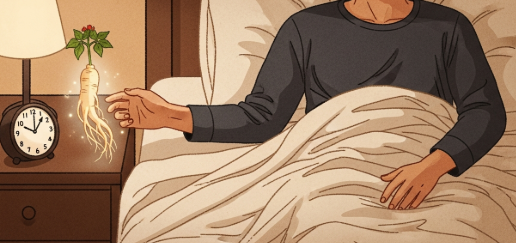
Many people ask themselves, “why do I feel tired but cannot fall asleep?” You lie in bed feeling exhausted. Your body feels drained, yet your mind refuses to settle. This frustrating experience is increasingly common in modern life.
Sleep experts often describe this condition as tired-but-wired syndrome. In this state, the body signals fatigue, but the nervous system remains activated. As a result, the brain stays alert even when the body needs rest.
Several factors may contribute to this pattern. Chronic stress, hormonal imbalance, overstimulation from screens, and irregular circadian rhythms can all disrupt sleep. Furthermore, growing research suggests that adaptogenic herbs such as Korean ginseng may help regulate the body’s stress response, which plays a key role in sleep regulation.
This article explores why you may feel tired but cannot fall asleep, the biological mechanisms behind it, and how evidence-based herbal support such as Panax ginseng may help restore balance.
Understanding the “Tired but Wired” Sleep Paradox
The question “why do I feel tired but cannot fall asleep?” often reflects a disconnect between the body and the brain.
Normally, the sleep-wake cycle is regulated by:
- Circadian rhythm
- Melatonin secretion
- Cortisol balance
- Autonomic nervous system activity
However, modern lifestyles can disrupt these systems.
For example:
- Stress elevates cortisol levels at night
- Blue light suppresses melatonin
- Mental overactivity stimulates the brain
- Poor sleep habits confuse the circadian clock
As a result, the body becomes exhausted while the brain remains alert.
According to the National Institutes of Health (NIH), sleep disorders affect millions of adults and are strongly linked to stress physiology and hormonal imbalance.
https://www.nhlbi.nih.gov/health/sleep
7 Common Reasons Why You Feel Tired but Cannot Fall Asleep
If you frequently wonder why do I feel tired but cannot fall asleep, the following factors may explain the problem.
1. Chronic Stress and Elevated Cortisol
Stress activates the hypothalamic-pituitary-adrenal (HPA) axis. This system releases cortisol to keep the body alert.
While cortisol is helpful during the day, high nighttime cortisol interferes with sleep onset.
Symptoms may include:
- Racing thoughts at bedtime
- Light or fragmented sleep
- Feeling exhausted yet restless
Research shows that stress-induced cortisol imbalance plays a significant role in insomnia.
https://pubmed.ncbi.nlm.nih.gov/24174394/
2. Circadian Rhythm Disruption
Your internal clock regulates sleep and wakefulness.
However, several habits can disturb it:
- Late-night screen exposure
- Irregular sleep schedules
- Jet lag or shift work
- Artificial lighting at night
As a result, the brain delays melatonin release. Therefore, sleep becomes difficult even when you feel physically tired.
The World Health Organization (WHO) recognizes circadian disruption as a significant health concern associated with sleep disorders.
https://www.who.int
3. Nervous System Overactivation
The autonomic nervous system has two branches:
- Sympathetic system – “fight or flight”
- Parasympathetic system – “rest and digest”
Ideally, the parasympathetic system should dominate at night. However, chronic stress keeps the sympathetic system active.
Consequently, the brain stays alert even when the body needs sleep.
4. Mental Overstimulation
Even when the body feels tired, the brain may remain active due to:
- Excessive screen time
- Work-related stress
- Late caffeine consumption
- Constant digital stimulation
These factors stimulate dopamine and adrenaline pathways, which delay sleep.
5. Blood Sugar Fluctuations
Blood sugar instability may also explain why you feel tired but cannot fall asleep.
When glucose levels drop at night, the body releases stress hormones such as cortisol and adrenaline to compensate. These hormones can wake the brain.
Common symptoms include:
- Night awakenings
- Restlessness
- Early morning fatigue
6. Poor Sleep Hygiene
Sleep habits strongly influence sleep quality.
Common mistakes include:
- Irregular bedtime
- Bright lights before bed
- Heavy meals late at night
- Using phones in bed
Although these habits seem harmless, they gradually disrupt the brain’s sleep signals.
7. Adrenal Fatigue and Stress Adaptation
Some researchers believe chronic stress may impair the body’s ability to regulate energy and recovery.
This condition is sometimes described as stress adaptation imbalance, where individuals feel constantly tired yet mentally stimulated.
Adaptogenic herbs such as Panax ginseng have been studied for their potential to support this stress response.
Why Korean Ginseng May Help When You Feel Tired but Cannot Fall Asleep
When people ask why do I feel tired but cannot fall asleep, the answer often involves stress physiology.
Korean ginseng (Panax ginseng) is widely studied for its role in supporting the body’s response to stress.
Unlike stimulants, ginseng is classified as an adaptogen. Adaptogens help the body maintain balance during physical and psychological stress.
Research suggests that ginseng may support:
- Cortisol regulation
- Nervous system balance
- Mental fatigue reduction
- Improved energy metabolism
A review published in the Journal of Ginseng Research reports that ginseng’s active compounds, called ginsenosides, influence neuroendocrine signaling and stress adaptation.
https://www.ncbi.nlm.nih.gov/pmc/articles/PMC3659612/
Potential Mechanisms of Korean Ginseng for Sleep Balance
Korean ginseng may support sleep indirectly by addressing the underlying causes of tiredness and stress.
1. Supporting Stress Regulation
Ginsenosides may modulate the HPA axis and help balance cortisol levels.
Balanced cortisol may allow the body to relax naturally at night.
2. Supporting Nervous System Recovery
Studies suggest ginseng may influence neurotransmitters such as:
- GABA
- dopamine
- serotonin
These neurotransmitters play important roles in mood, stress regulation, and sleep.
3. Improving Daytime Energy
Interestingly, improving daytime energy levels may help regulate sleep.
When the body maintains stable energy during the day, it often falls asleep more easily at night.
Research from PubMed indicates that Panax ginseng may reduce fatigue and improve cognitive performance.
https://pubmed.ncbi.nlm.nih.gov/19607978/
4. Supporting Mental Calm and Adaptation
Adaptogens help the body adapt to stress rather than overstimulating the nervous system.
Therefore, Korean ginseng may promote a balanced energy state, rather than the jittery alertness associated with caffeine.
Lifestyle Strategies to Improve Sleep Naturally
While herbal support can help, lifestyle factors remain essential.
If you frequently ask why do I feel tired but cannot fall asleep, consider these evidence-based strategies.
Improve Sleep Hygiene
- Maintain a consistent sleep schedule
- Avoid screens 60 minutes before bedtime
- Keep your bedroom cool and dark
- Limit caffeine after mid-afternoon
Support Your Circadian Rhythm
- Get morning sunlight exposure
- Exercise regularly
- Reduce late-night artificial light
Reduce Evening Stress
Helpful practices include:
- breathing exercises
- light stretching
- journaling
- meditation
These practices activate the parasympathetic nervous system and encourage relaxation.
How to Choose a High-Quality Korean Ginseng Product
Not all ginseng supplements provide the same quality or potency.
When selecting a product, consider the following factors.
Look for Authentic Korean Red Ginseng
Korean red ginseng is produced through a traditional steaming process that preserves active ginsenosides.
Check Standardized Ginsenoside Content
Quality products should clearly list:
- ginsenoside percentage
- extraction method
- standardized dosage
Choose Reputable Sources
Reliable manufacturers often provide:
- laboratory testing
- quality certifications
- transparent sourcing
This ensures safety and consistent potency.
A Gentle Reminder About Herbal Supplements
Although Korean ginseng is widely studied, herbal supplements affect individuals differently.
Therefore:
- Consult a healthcare professional before starting supplements
- Especially if you are pregnant, taking medications, or managing medical conditions
Evidence-based herbal medicine works best when integrated with professional guidance.
Conclusion: Restoring Balance When You Feel Exhausted but Cannot Sleep
If you often ask “why do I feel tired but cannot fall asleep?”, you are not alone. Many people experience this frustrating cycle of exhaustion and sleeplessness.
However, understanding the root causes can help restore balance.
Stress, circadian disruption, and nervous system overload are common triggers. Therefore, addressing these factors is essential for improving sleep quality.
Evidence-based herbs such as Korean ginseng may support stress adaptation, energy balance, and nervous system recovery. When combined with healthy sleep habits, they may help your body return to its natural rhythm.
Imagine ending your day with a calm mind and waking up with genuine energy again.
That transformation often begins with supporting your body the right way.
If you are ready to experience the traditional power of authentic Korean ginseng, now is the perfect moment to begin.
Choose a trusted, high-quality product and allow your body to rediscover its natural balance—starting tonight.
🇰🇷 Premium Korean Ginseng Online Shop