How to Improve Sleep When Feeling Overtired: Science-Based Strategies and the Role of Korean Ginseng
Many people search for how to improve sleep when feeling overtired because exhaustion does not always lead to better sleep. In fact, extreme fatigue often disrupts normal sleep cycles. The body becomes overstimulated, stress hormones increase, and the brain struggles to transition into restorative sleep. As a result, individuals may lie awake despite feeling physically exhausted.
Modern research shows that overtiredness can trigger physiological stress responses. These responses elevate cortisol and activate the sympathetic nervous system. Consequently, the body remains in a state of alertness instead of relaxation.
Fortunately, evidence-based strategies can help restore balance. Lifestyle adjustments, sleep hygiene, and adaptogenic herbs such as Korean ginseng (Panax ginseng) may support nervous system regulation and improve sleep quality.
This guide explains the science behind overtiredness and provides practical strategies to restore healthy sleep patterns.
Why Being Overtired Can Make Sleep Worse
At first glance, it seems logical that fatigue should lead to deeper sleep. However, sleep science shows the opposite can happen.
When the body becomes overly fatigued, it releases stress hormones. These hormones keep the brain alert.
Several mechanisms explain this phenomenon:
1. Cortisol Dysregulation
Cortisol normally follows a daily rhythm. It peaks in the morning and drops at night. However, overtiredness can disrupt this rhythm. Elevated nighttime cortisol makes it harder to fall asleep.
According to research published on PubMed, chronic stress alters circadian hormone patterns and impairs sleep quality.
https://pubmed.ncbi.nlm.nih.gov/30349596/
2. Nervous System Overactivation
The body enters a “fight-or-flight” state when stress increases. This sympathetic activation raises heart rate and alertness.
As a result, the brain struggles to transition into parasympathetic relaxation.
3. Sleep Debt and Fragmented Sleep
When sleep deprivation accumulates, the body may produce unstable sleep cycles. Individuals may fall asleep quickly but wake frequently during the night.
Therefore, understanding how to improve sleep when feeling overtired requires addressing both stress physiology and circadian rhythm stability.
Key Signs Your Body Is Overtired
Many people mistake overtiredness for simple fatigue. However, the symptoms are different.
Common signs include:
- Difficulty falling asleep despite exhaustion
- Waking frequently during the night
- Feeling “wired but tired”
- Increased anxiety at bedtime
- Headaches or muscle tension
- Irritability or poor concentration
Additionally, overtired individuals often rely on stimulants such as caffeine. Unfortunately, this habit can worsen sleep disruption.
Therefore, recognizing these signs is the first step toward restoring healthy sleep.
Evidence-Based Strategies for How to Improve Sleep When Feeling Overtired
Improving sleep requires a systematic approach. The goal is to calm the nervous system and restore circadian balance.
Below are strategies supported by sleep science.
1. Restore a Consistent Sleep Schedule
Consistency strengthens the body’s internal clock.
Go to bed and wake up at the same time every day. This routine trains the brain to expect sleep at predictable times.
Even on weekends, maintain a similar schedule. Large variations confuse circadian rhythms.
According to the National Institutes of Health (NIH), regular sleep timing improves sleep efficiency and hormone regulation.
https://www.nih.gov/news-events/nih-research-matters/sleep-importance-health
2. Reduce Evening Cortisol
Stress hormones often peak at night in overtired individuals.
Several habits can lower cortisol before bedtime:
- Light stretching or yoga
- Warm showers
- Slow breathing exercises
- Meditation or prayer
- Reading instead of screen exposure
In addition, reducing blue light exposure helps regulate melatonin production.
Research from Harvard Medical School confirms that blue light suppresses melatonin and delays sleep onset.
https://www.health.harvard.edu/staying-healthy/blue-light-has-a-dark-side
3. Support the Nervous System With Adaptogens
Adaptogenic herbs help the body adapt to physical and emotional stress.
One of the most studied adaptogens is Korean ginseng (Panax ginseng).
Panax ginseng contains active compounds called ginsenosides. These molecules interact with the hypothalamic-pituitary-adrenal (HPA) axis. As a result, they may help regulate stress responses.
A clinical review published in Journal of Ginseng Research reports that ginseng supports fatigue reduction and cognitive balance.
https://www.sciencedirect.com/science/article/pii/S1226845316300581
Because overtiredness is linked to stress imbalance, adaptogens may indirectly support better sleep.
Korean Ginseng and Sleep Regulation
Many people associate ginseng with energy. However, its effects are more complex.
Korean ginseng functions as an adaptogen, meaning it helps the body maintain physiological balance.
Instead of acting like caffeine, it supports homeostasis.
Several mechanisms explain its potential benefits for sleep:
1. Stress Hormone Modulation
Studies suggest that ginsenosides influence cortisol regulation. Balanced cortisol patterns support healthy sleep cycles.
2. Nervous System Stabilization
Panax ginseng may help regulate neurotransmitters involved in mood and relaxation.
These include:
- GABA
- dopamine
- serotonin
Balanced neurotransmitter activity improves mental calmness before sleep.
3. Fatigue Recovery
Chronic fatigue increases oxidative stress. Ginseng’s antioxidant compounds may help reduce this stress.
The World Health Organization (WHO) recognizes Panax ginseng as a traditional herbal medicine used for fatigue and recovery support.
Practical Night Routine to Improve Sleep
Establishing a structured nighttime routine can significantly improve sleep quality.
A simple example routine:
7:00 PM — Light Dinner
Avoid heavy meals and excessive caffeine.
8:00 PM — Digital Detox
Reduce exposure to phones, laptops, and bright screens.
8:30 PM — Relaxation Activity
Options include:
- reading
- gentle stretching
- journaling
9:30 PM — Herbal Support
Some individuals use calming herbal preparations or adaptogens such as Korean ginseng earlier in the day to support energy balance.
10:00 PM — Sleep Time
Maintain consistent bedtime.
Over time, this routine trains the brain to transition into sleep more easily.
Lifestyle Factors That Influence Sleep Quality
Sleep does not depend on one factor alone. Instead, it reflects overall lifestyle balance.
Important contributors include:
Physical Activity
Moderate exercise improves sleep efficiency.
However, intense exercise close to bedtime may increase alertness.
Nutrition
Stable blood sugar supports healthy sleep.
Consider foods rich in:
- magnesium
- tryptophan
- B-vitamins
Stress Management
Chronic psychological stress disrupts sleep cycles.
Mindfulness practices, prayer, or breathing techniques can help calm the nervous system.
These habits complement herbal approaches such as ginseng.
How to Choose a High-Quality Korean Ginseng Product
Not all ginseng products deliver the same benefits.
Product quality depends on several factors.
1. Species Identification
Look for Panax ginseng, also known as Korean ginseng.
Avoid products that only say “ginseng blend.”
2. Root Age
High-quality Korean ginseng is typically harvested after 6 years of growth.
Older roots contain higher ginsenoside concentrations.
3. Standardized Extract
Reliable products provide standardized ginsenoside content.
This ensures consistent potency.
4. Manufacturing Standards
Choose products tested for:
- heavy metals
- pesticide residues
- microbial contamination
Reputable brands often follow Good Manufacturing Practice (GMP) guidelines.
Important Medical Disclaimer
Although herbal medicine offers supportive benefits, it should not replace professional medical care.
Sleep problems may result from underlying conditions such as:
- insomnia disorder
- sleep apnea
- anxiety disorders
Therefore, consult a qualified healthcare professional before starting herbal supplements.
Pregnant individuals, people with chronic illness, or those taking medication should seek medical guidance.
Conclusion: Restoring Balance When the Body Feels Exhausted
Understanding how to improve sleep when feeling overtired requires addressing the root causes of stress, fatigue, and nervous system imbalance.
Simple changes can make a significant difference. Consistent sleep schedules, reduced evening stimulation, and stress-management practices all help restore natural sleep rhythms.
In addition, adaptogenic herbs such as Korean ginseng may support the body’s ability to recover from stress and fatigue. By promoting physiological balance, this traditional herb may help the body transition more smoothly into restorative sleep.
If you often feel exhausted yet unable to sleep, your body may be asking for deeper support.
Give your body the chance to recover.
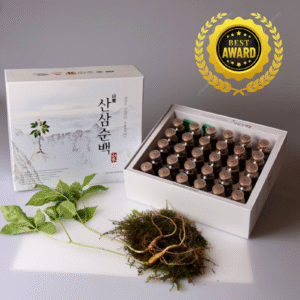
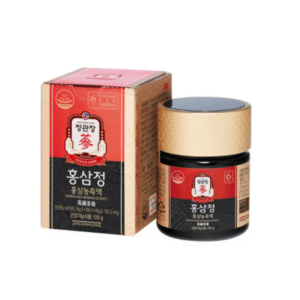
Choose authentic, high-quality Korean ginseng. Support your energy, calm your nervous system, and restore the natural rhythm of sleep.
Your body deserves rest. Your mind deserves clarity. Start your recovery today.
🇰🇷 Premium Korean Ginseng Online Shop