Sleep is essential for brain function, emotional balance, and overall health. Yet millions of people struggle with insomnia. Difficulty falling asleep, frequent nighttime awakenings, or waking too early can slowly affect mood, productivity, and long-term health. Because of this growing concern, many individuals are now exploring natural remedies for insomnia as a safer and more holistic approach to improving sleep.
Unlike sedative medications, natural therapies often aim to address the underlying causes of sleep disruption. These causes may include stress, circadian rhythm imbalance, inflammation, or nervous system dysregulation. Scientific research increasingly supports several herbal and lifestyle approaches that help restore healthy sleep patterns. When used responsibly, these natural strategies may support the body’s own ability to relax, regulate hormones, and improve sleep quality.
This article explores the most evidence-based natural approaches to insomnia, including herbal adaptogens such as Korean ginseng, sleep-supportive nutrients, and lifestyle practices recommended by sleep researchers.
Understanding Insomnia: Causes and Health Impact
Insomnia is one of the most common sleep disorders worldwide. According to the National Institutes of Health (NIH), about 30% of adults experience symptoms of insomnia at some point in their lives.
Insomnia can develop from several underlying factors, including:
- Chronic stress or anxiety
- Hormonal imbalance
- Irregular sleep schedules
- Excess caffeine or alcohol
- Poor sleep environment
- Certain medications
- Underlying medical conditions
Over time, insufficient sleep can lead to serious health consequences. Research published in the journal Sleep Medicine Reviews links chronic insomnia to increased risk of:
- Cardiovascular disease
- Depression and anxiety disorders
- Cognitive decline
- Metabolic disorders such as diabetes
- Weakened immune function
Therefore, addressing sleep problems early is critical. Many people begin with natural remedies for insomnia because they often support the body’s regulatory systems rather than forcing sedation.
How Natural Remedies for Insomnia Support Sleep Physiology
Healthy sleep depends on several biological systems working together. These include:
- The circadian rhythm, controlled by the brain’s suprachiasmatic nucleus
- The stress response system (HPA axis)
- Neurotransmitters such as GABA and serotonin
- Hormones like melatonin and cortisol
Natural sleep therapies often target these systems simultaneously.
For example:
| Natural Approach | Primary Mechanism | Evidence |
|---|---|---|
| Adaptogenic herbs | Regulate stress hormones | Moderate evidence |
| Magnesium | Supports nervous system relaxation | Moderate evidence |
| Herbal sedatives | Promote GABA activity | Limited–moderate evidence |
| Lifestyle interventions | Restore circadian rhythm | Strong evidence |
According to the World Health Organization (WHO), traditional herbal medicine has been used for centuries to promote sleep and reduce stress. Modern research continues to investigate how these botanicals influence neurological pathways related to sleep.
Evidence-Based Herbal Remedies for Better Sleep
Several herbal medicines have demonstrated potential benefits for sleep quality. However, results may vary between individuals.
1. Korean Red Ginseng (Panax ginseng)
Korean red ginseng is widely studied for its adaptogenic properties. Adaptogens help the body maintain balance during stress. Because chronic stress often triggers insomnia, this mechanism is highly relevant.
Research published in Journal of Ginseng Research suggests that Panax ginseng may:
- Regulate cortisol levels
- Improve mental fatigue
- Support nervous system balance
- Enhance overall sleep quality
One clinical study found that participants who consumed Korean red ginseng for eight weeks experienced improvements in sleep latency and sleep efficiency.
Study reference:
https://www.ncbi.nlm.nih.gov/pmc/articles/PMC3659564/
Importantly, ginseng does not act as a sedative. Instead, it helps the body adapt to stress, which may indirectly support healthier sleep cycles.
2. Valerian Root
Valerian root (Valeriana officinalis) is one of the most traditional herbal sleep aids.
Research suggests valerian may:
- Increase GABA activity in the brain
- Reduce sleep latency
- Improve subjective sleep quality
A systematic review published in American Journal of Medicine indicates valerian may provide mild benefits for insomnia, though results remain mixed.
3. Chamomile
Chamomile tea is widely used as a gentle sleep remedy.
Chamomile contains apigenin, a compound that binds to benzodiazepine receptors in the brain and promotes relaxation.
Clinical research suggests chamomile may help:
- Reduce anxiety
- Improve mild insomnia symptoms
- Promote relaxation before bedtime
4. Ashwagandha
Ashwagandha (Withania somnifera) is another adaptogenic herb studied for stress and sleep.
Studies published in Cureus Journal of Medical Science show that ashwagandha extract improved sleep quality and reduced sleep onset time in adults with insomnia.
Lifestyle Habits That Enhance Natural Sleep Recovery
Herbal remedies work best when combined with healthy sleep habits. Sleep scientists consistently emphasize behavioral strategies.
Key practices include:
Maintain a Consistent Sleep Schedule
Going to bed and waking up at the same time helps regulate circadian rhythms.
Reduce Evening Light Exposure
Blue light from screens suppresses melatonin production. Experts recommend avoiding screens at least one hour before bedtime.
Optimize the Sleep Environment
A supportive sleep environment includes:
- A dark bedroom
- Cool temperature (around 18–20°C)
- Minimal noise
- Comfortable bedding
Limit Stimulants
Caffeine can remain active in the body for 6–8 hours. Therefore, limiting caffeine intake after midday may improve sleep onset.
Nutrients That May Support Sleep Regulation
Certain nutrients support the neurological processes involved in sleep.
Magnesium
Magnesium plays a role in GABA regulation and muscle relaxation.
Research suggests magnesium supplementation may:
- Improve sleep efficiency
- Reduce nighttime awakenings
- Promote relaxation
Melatonin
Melatonin is the body’s primary sleep hormone.
Melatonin supplements are commonly used for:
- Jet lag
- Circadian rhythm disorders
- Short-term sleep support
However, experts recommend using melatonin cautiously and consulting a healthcare professional.
Safety Considerations for Natural Sleep Remedies
Although natural treatments are generally considered safe, they are not risk-free.
Important safety guidelines include:
- Consult a healthcare professional before starting herbal supplements
- Avoid combining multiple sedative herbs without guidance
- Pregnant individuals should avoid certain herbs
- Some herbs may interact with medications
The National Center for Complementary and Integrative Health (NCCIH) emphasizes that herbal supplements should be used carefully and sourced from reputable manufacturers.
When to Seek Medical Advice
Occasional sleep disturbances are common. However, persistent insomnia may indicate an underlying medical condition.
Consult a healthcare professional if:
- Insomnia lasts longer than three months
- Sleep problems interfere with daily functioning
- Loud snoring or breathing pauses occur during sleep
- Mood or cognitive symptoms worsen
Early evaluation can prevent long-term health complications.
Conclusion: A Natural Path Toward Restorative Sleep
Modern research increasingly supports natural remedies for insomnia as part of a comprehensive sleep strategy. Herbal adaptogens, calming botanicals, supportive nutrients, and healthy sleep habits may work together to restore balance within the body’s stress and sleep systems.
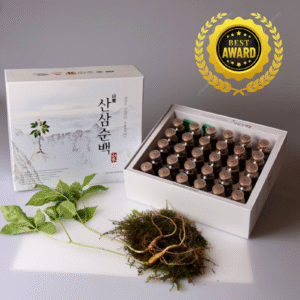
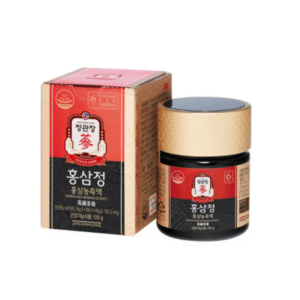
Among these natural approaches, Korean red ginseng stands out for its unique adaptogenic properties. Instead of forcing sedation, it supports the body’s resilience to stress — one of the most common causes of sleep disruption.
Many individuals report improved mental balance, reduced fatigue, and better overall sleep quality after consistent use of high-quality Korean ginseng for several weeks.
If you are searching for a natural way to support deeper sleep and restore daily energy, choosing authentic Korean red ginseng may be a meaningful step.
Your body deserves rest. Your mind deserves calm. And sometimes, the most powerful solutions come from nature’s oldest medicines.
Explore premium, carefully sourced Korean ginseng and experience the difference that traditional herbal wisdom can make in modern life.
🇰🇷 Premium Korean Ginseng Online Shop