Healthy aging is not about finding one perfect food, supplement, or health routine. It is about building sustainable habits that support the body and mind over time. For older adults, a balanced diet, regular physical activity, adequate sleep, stress management, social connection, and appropriate preventive care can all play an important role in maintaining overall well-being.
Probiotics, ginseng for seniors, anti inflammatory foods, and healthy lifestyle habits are four topics that often come up when people look for practical ways to support healthy aging. Each has a different role. Probiotics are associated with the gut microbiome, Korean ginseng has been studied for areas such as fatigue and cognitive function, nutritious foods can contribute to a balanced dietary pattern, and healthy lifestyle habits provide the foundation for long-term wellness.
The important point is that none of these should be viewed as a replacement for medical care. Research on supplements and specific foods varies considerably, and some popular health claims are stronger than the available evidence.
What Does Healthy Aging Really Mean?
Healthy aging does not necessarily mean avoiding every health problem or maintaining the same physical abilities throughout life. It is better understood as supporting physical function, independence, mental well-being, and quality of life as you get older.
The National Institute on Aging emphasizes that genetics and lifestyle both influence healthy aging. However, many everyday behaviors can be modified, including physical activity, nutrition, sleep, stress management, social engagement, and preventive health care.
Healthy aging therefore involves many different pieces working together.
A nutritious diet provides essential nutrients.
Physical activity helps maintain strength, mobility, and physical function.
Adequate sleep supports physical and mental well-being.
Social connections can contribute to emotional health and quality of life.
Stress management can help support overall wellness.
Regular medical care can help identify health concerns and provide appropriate treatment when needed.
Supplements may have a role for some people, but they should be considered within this larger picture rather than as a substitute for healthy habits.
Probiotics and Digestive Health
Probiotics are live microorganisms that may provide health benefits when consumed in adequate amounts. They are found in certain fermented foods and are also available as dietary supplements.
The term probiotic covers many different microorganisms and strains. This distinction is important because one probiotic product cannot automatically be expected to produce the same effects as another.
Research has investigated probiotics for a variety of digestive and other health concerns. However, the results can vary depending on the specific strain, dose, health condition, and individual circumstances.
For this reason, it is better to think about probiotics in terms of specific products and specific research rather than assuming that all probiotics have identical benefits.
Probiotics and the Gut Microbiome
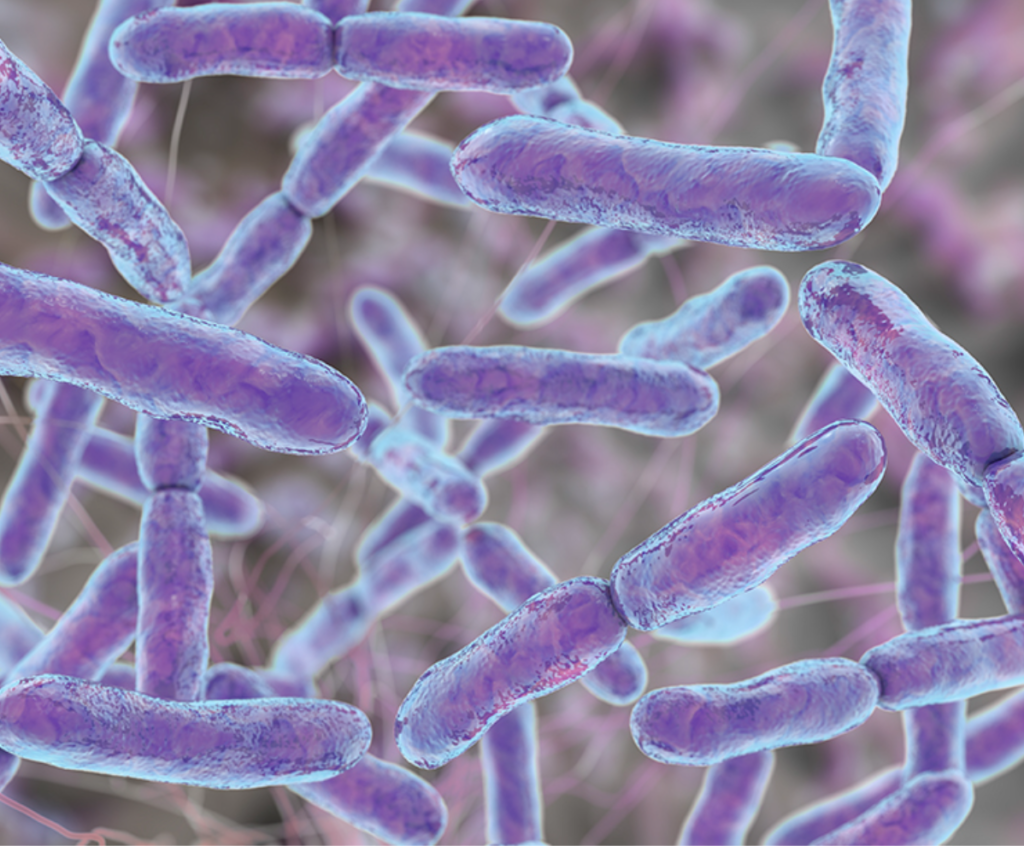
The human digestive tract contains a complex community of microorganisms commonly referred to as the gut microbiome.
Diet, age, medications, lifestyle, and other factors can influence the composition of the gut microbiome. Probiotics are one area of research exploring how certain beneficial microorganisms may interact with this environment.
Digestive health is particularly relevant to older adults because appetite, dietary patterns, medications, physical activity, and other factors can change with age.
However, taking a probiotic supplement is not automatically necessary for every healthy person.
A balanced diet containing vegetables, fruits, whole grains, legumes, nuts, seeds, and other nutrient-dense foods can provide fiber and other nutrients that support overall digestive health.
Are Probiotics Safe for Older Adults?
Many healthy people tolerate probiotics without major problems, although some may experience temporary digestive symptoms.
People who are seriously ill or have weakened immune systems may need to be more cautious. The appropriate choice can also depend on medications and individual medical circumstances.
Anyone with a significant health condition or a weakened immune system should discuss probiotic supplements with a healthcare professional before using them.
Ginseng for Seniors
Ginseng has been used traditionally in East Asia for centuries, and Korean ginseng is one of the best-known forms of Asian ginseng.
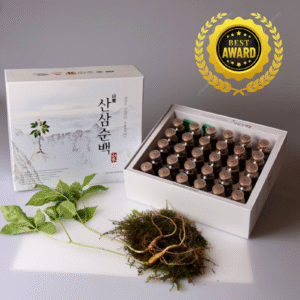
Asian ginseng is also known as Panax ginseng, Korean ginseng, red ginseng, and white ginseng depending on the terminology and preparation. The root is the part most commonly used, and compounds called ginsenosides are among the substances studied in scientific research.
The phrase “ginseng for seniors” generally refers to interest in using ginseng as part of a healthy aging and wellness routine.
Older adults may be interested in ginseng because of its traditional association with energy and vitality and because researchers have investigated ginseng in areas such as fatigue and cognitive function.
However, it is important to distinguish traditional use from established clinical evidence.
NCCIH notes that clinical research on Asian ginseng has increased, but many trials have been relatively small and shorter than three months. Larger and longer studies are needed to establish stronger conclusions for many potential uses.
Ginseng and Energy
Fatigue is a common concern among adults of many ages, including older adults.
A 2023 review of 19 studies involving 2,413 participants found that Asian ginseng alone may have a small beneficial effect on general fatigue. However, the research was not completely consistent, and evidence concerning chronic fatigue is more complicated.
This means it would be inaccurate to say that ginseng eliminates fatigue or provides guaranteed energy.
A more appropriate interpretation is that Asian ginseng has been studied for general fatigue, with some research suggesting a modest effect.
Persistent or unexplained fatigue should not simply be attributed to aging. Sleep problems, medications, nutritional issues, physical inactivity, stress, and medical conditions can all contribute to fatigue.
Ginseng and Cognitive Health
Brain health is another important part of healthy aging.
Some research has examined Asian ginseng and cognitive function, including attention, reaction time, arithmetic skills, and certain aspects of thinking. NCCIH reports that a small amount of research suggests possible benefits in some cognitive measures among middle-aged adults, although the evidence is limited.
This does not mean that ginseng has been proven to prevent dementia or treat Alzheimer’s disease.
For seniors interested in cognitive health, a broader approach is more appropriate. Regular physical activity, sufficient sleep, nutritious food, social engagement, and continued mental activity are all important components of overall healthy aging.
Ginseng and Healthy Aging
Research has investigated Asian ginseng in relation to aging, but there is not enough reliable evidence to conclude that ginseng itself slows the aging process.
Healthy aging is influenced by many factors, and lifestyle habits have a much broader evidence base.
Physical activity, for example, can help older adults maintain physical function, balance, strength, and independence. The National Institute on Aging recommends incorporating aerobic activity, muscle-strengthening activity, and balance exercises according to individual abilities and circumstances.
Ginseng can therefore be considered a botanical ingredient of interest within the broader topic of healthy aging, rather than a standalone solution.
Anti Inflammatory Foods and Nutrition
The phrase “anti inflammatory foods” is widely used in health and nutrition discussions.
Generally, it refers to foods that contain nutrients and plant compounds associated with healthy inflammatory processes. However, individual foods should not be treated as medications.
Instead of focusing on one supposedly powerful food, it is more useful to consider the overall dietary pattern.
A nutrient-dense eating pattern can include vegetables, fruits, whole grains, beans, lentils, nuts, seeds, fish, lean protein sources, and healthy fats.
The National Institute on Aging recommends choosing a variety of nutrient-dense foods from different food groups as part of healthy eating during aging.
Foods Commonly Included in a Healthy Anti Inflammatory Eating Pattern
Berries are rich in fiber and various plant compounds.
Leafy green vegetables provide vitamins, minerals, fiber, and other nutrients.
Tomatoes provide vitamin C and carotenoid compounds.
Beans and lentils provide plant protein and dietary fiber.
Whole grains can provide fiber and other nutrients.
Nuts and seeds provide healthy fats, protein, fiber, and minerals.
Fatty fish such as salmon, sardines, and mackerel provide omega 3 fatty acids and protein.
Extra virgin olive oil is a source of predominantly unsaturated fat and is commonly included in Mediterranean-style eating patterns.
Ginger and turmeric are also frequently discussed in relation to anti inflammatory nutrition. However, evidence from concentrated extracts or supplements should not automatically be applied to ordinary amounts consumed as food.
Why the Overall Diet Matters
One food rarely determines the quality of an individual’s diet.
For example, adding berries to a diet that otherwise contains very few fruits and vegetables does not necessarily create a healthy dietary pattern.
Likewise, taking an herbal supplement does not compensate for poor nutrition, insufficient physical activity, or inadequate sleep.
A more sustainable approach is to build meals around a variety of minimally processed, nutrient-dense foods.
Healthy Lifestyle Habits for Older Adults
A healthy lifestyle is the foundation connecting nutrition, exercise, sleep, stress management, and social well-being.
The National Institute on Aging notes that lifestyle choices can help people maintain health and quality of life as they age. Its practical recommendations include staying physically active, choosing nutritious foods, managing stress, continuing to learn, maintaining social connections, and keeping up with regular medical care.
Physical Activity
Physical activity is one of the most important parts of healthy aging.
Regular movement can support physical function, strength, balance, sleep, mood, and quality of life. It can also help older adults maintain independence in everyday activities.
Older adults can benefit from different types of activity.
Aerobic activities can include walking, cycling, swimming, and dancing.
Strength exercises can include resistance bands, bodyweight exercises, or weights.
Balance exercises can include activities such as tai chi or specific balance exercises.
The appropriate amount and intensity depend on an individual’s health and physical ability.
Someone who has been inactive for a long time or has a chronic health condition may want to discuss an exercise plan with a healthcare professional.
Sleep
Sleep is another essential part of healthy aging.
The National Institute on Aging states that older adults generally need about seven to nine hours of sleep each night. Sleep needs do not necessarily decrease dramatically simply because a person gets older.
Good sleep supports daytime alertness, mood, memory, attention, and overall well-being.
Helpful sleep habits include maintaining a consistent sleep schedule, creating a relaxing bedtime routine, keeping the bedroom comfortable, exercising regularly, and avoiding caffeine late in the day.
Persistent difficulty falling asleep, staying asleep, or excessive daytime sleepiness should be discussed with a healthcare professional.
This is also relevant to ginseng because insomnia is the most common reported side effect of Asian ginseng. People who already have sleep difficulties may want to consider this before using ginseng.
Stress Management
Stress management is another component of a healthy lifestyle.
Walking, exercise, hobbies, time outdoors, meditation, breathing exercises, journaling, and social activities can all be ways of managing everyday stress.
There is no single stress management technique that works for everyone.
The most useful strategy is often one that a person can practice consistently and that fits naturally into everyday life.
Maintaining Social Connections
Social well-being is sometimes overlooked when people talk about healthy aging.
Spending time with family and friends, participating in community activities, volunteering, joining clubs, and pursuing hobbies can provide opportunities for meaningful engagement.
Healthy aging is not simply about physical health. Maintaining purpose, connection, and enjoyable activities can also contribute to quality of life.
How Nutrition, Probiotics, Ginseng, and Lifestyle Fit Together
These topics do not need to be treated as competing approaches.
A person might focus first on a balanced diet and regular physical activity. They might also pay attention to digestive health and choose foods containing beneficial microorganisms or fiber.
Someone interested in Korean ginseng may consider it as an optional supplement or traditional botanical product after reviewing the evidence and potential safety considerations.
The important distinction is that lifestyle habits generally form the foundation, while supplements are optional tools that may or may not be appropriate for a particular individual.
This approach can help prevent the common mistake of expecting one supplement to compensate for several unhealthy habits.
Ginseng Safety for Seniors
Safety deserves particular attention when discussing ginseng for seniors.
Older adults are more likely than younger adults to use prescription medications, sometimes several at the same time. This makes potential herb-drug interactions especially relevant.
NCCIH reports that Asian ginseng may interact with certain medications, and research has raised questions about interactions with some blood pressure medicines, statins, antidepressants, and the anticoagulant warfarin. Findings involving warfarin have been mixed.
Asian ginseng may also affect blood sugar and blood clotting and may worsen some autoimmune disorders. Insomnia is the most common side effect reported with Asian ginseng.
For these reasons, seniors who take prescription medication should talk with a healthcare professional before adding Korean ginseng or another herbal supplement to their routine.
A Practical Healthy Aging Routine
A healthy aging routine does not need to be complicated.
Start with nutritious meals containing a variety of vegetables, fruits, whole grains, protein foods, and healthy fats.
Stay physically active in ways that match your ability and interests.
Include strength and balance exercises when appropriate.
Aim for consistent, adequate sleep.
Drink fluids regularly according to your individual needs.
Make time for family, friends, hobbies, and activities you enjoy.
Find practical ways to manage everyday stress.
Keep up with recommended medical appointments and screenings.
If you use supplements, understand the ingredients and discuss potential interactions with a healthcare professional when appropriate.
These habits may seem simple, but consistency is often more practical than constantly searching for a new health trend.
Frequently Asked Questions
Are probiotics good for seniors?
Probiotics have been studied for several digestive and other health concerns, but their effects vary by strain, dose, and health condition. They are not universally necessary for every older adult. People with serious illnesses or weakened immune systems should discuss probiotic use with a healthcare professional.
Is ginseng good for seniors?
Asian ginseng, including Korean ginseng, has been studied in areas relevant to aging such as fatigue and cognitive function. Some research suggests possible benefits, but evidence remains limited or mixed for many uses. Ginseng should not be considered a treatment for age-related diseases.
What are anti inflammatory foods?
The term generally refers to nutrient-rich foods that are associated with a healthy dietary pattern and healthy inflammatory processes. Examples commonly include vegetables, fruits, whole grains, beans, nuts, seeds, fish, and other minimally processed foods.
What is the most important part of a healthy lifestyle?
There is no single habit that determines overall health. Nutrition, physical activity, sleep, stress management, social connection, and preventive healthcare all contribute to a healthy lifestyle.
How much exercise should older adults get?
Many older adults can work toward at least 150 minutes of moderate-intensity aerobic activity each week, along with muscle-strengthening activities and balance exercises. Individual needs and abilities vary, so people with health concerns should discuss appropriate activity with a healthcare professional.
How much sleep do seniors need?
Older adults generally need about seven to nine hours of sleep each night. If sleep problems are persistent or significantly affect daytime function, it is appropriate to discuss them with a healthcare professional.
Can ginseng interact with medications?
Yes. Asian ginseng may interact with certain medications, and the evidence varies depending on the medicine. This is particularly important for people taking several prescription drugs. Discuss ginseng use with a healthcare professional or pharmacist before starting it.
Can supplements replace a healthy diet?
No. Supplements cannot replace the overall nutritional value and variety of a balanced diet. They may be useful in specific circumstances, but healthy eating, physical activity, sleep, and appropriate medical care remain important parts of overall wellness.
Conclusion
Probiotics, ginseng for seniors, anti inflammatory foods, and healthy lifestyle habits are all relevant topics within the broader goal of healthy aging.
Probiotics are mainly discussed in connection with the gut microbiome and digestive health. Korean ginseng has a long history of traditional use and has been studied for fatigue, cognitive function, and other areas, although evidence varies and many studies have limitations. Anti inflammatory foods are best understood as part of an overall nutrient-dense eating pattern rather than as treatments for disease.
Most importantly, healthy aging is a long-term process. Regular movement, nutritious food, adequate sleep, stress management, social connection, and appropriate healthcare provide a strong foundation. Supplements such as probiotics or ginseng may be considered separately based on in

🇰🇷 Premium Korean Ginseng Online Shop | SeoulGinseng.com
We’re a Korea-based online shop dedicated to authentic, premium Korean ginseng
Boost your health naturally with premium Korean ginseng!
🇰🇷 All orders are shipped directly from Korea with free worldwide shipping.
🎁 20% OFF Your Order — Use Code: vip20 — Limited to the First 3 Orders Each Day!