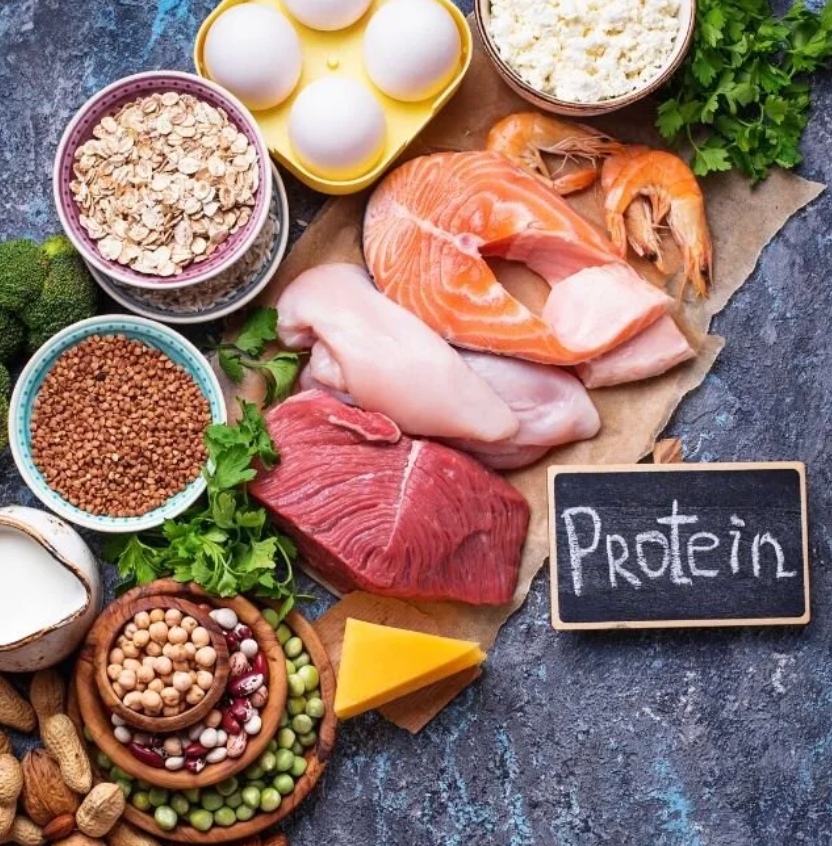
Protein is one of the fundamental nutrients required for human health. It provides amino acids that the body uses to build and maintain muscle, repair tissues, produce enzymes and hormones, support immune function, and carry out countless biological processes. Among the many foods that provide protein, animal foods are particularly well known for their high protein quality, digestibility, and concentration of essential amino acids.
However, not all animal protein sources are nutritionally identical.
Fish, shellfish, eggs, milk, yogurt, chicken, turkey, beef, pork, and processed meats all contain animal protein, but they can differ substantially in their amounts of saturated fat, sodium, omega-3 fatty acids, vitamins, minerals, and other compounds. For this reason, evaluating animal protein based only on its protein content can provide an incomplete picture of its health effects.
Modern nutrition research also shows that the question of animal protein vs plant protein is more complicated than simply deciding that one category is universally better than the other. Some controlled studies suggest that certain animal proteins may provide a modest advantage for muscle mass or muscle protein synthesis under specific circumstances. At the same time, long-term observational research has frequently associated replacing some animal protein, particularly protein from processed or less favorable animal foods, with plant protein with more favorable cardiovascular and mortality outcomes.
The most useful approach is therefore to consider the quality of the protein, the quality of the food, the degree of processing, portion size, preparation method, and the overall dietary pattern.
This article examines the best animal protein sources, high-protein animal foods, healthy animal protein choices, animal protein nutrition, potential benefits and limitations, and what the latest scientific research says about animal and plant protein.
What Is Animal Protein?
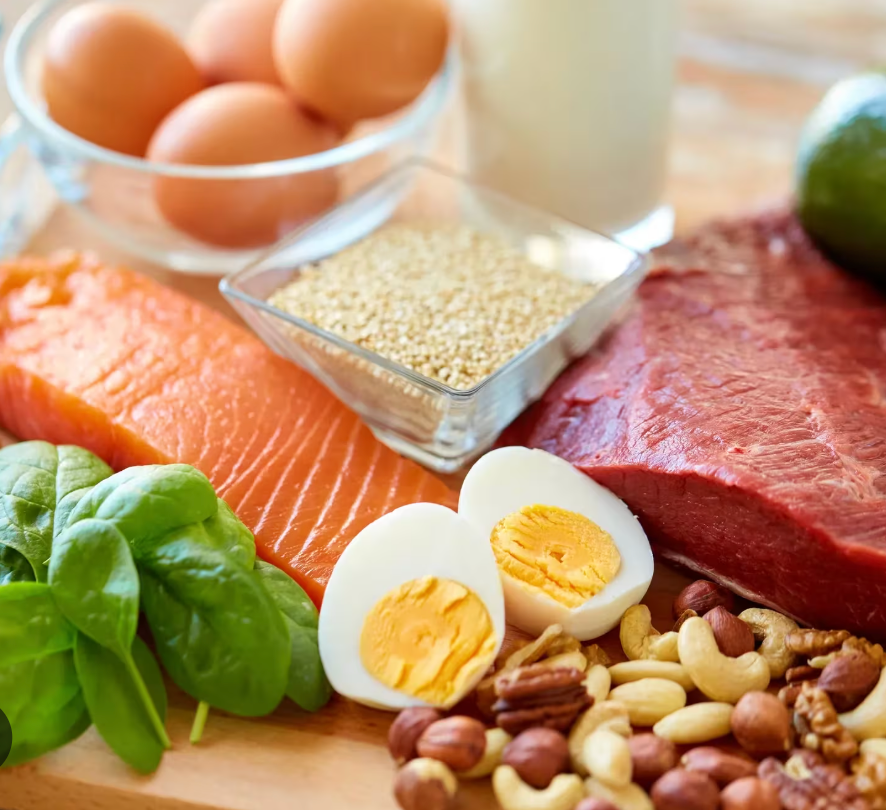
Animal protein is protein obtained from foods that come from animals.
Common animal protein foods include:
- Fish
- Shellfish
- Chicken
- Turkey
- Beef
- Pork
- Lamb
- Eggs
- Milk
- Yogurt
- Greek yogurt
- Cottage cheese
- Cheese
- Other dairy products
Animal proteins generally provide all nine essential amino acids. These amino acids cannot be produced by the human body in sufficient quantities and therefore must come from food.
This complete amino acid profile is one reason animal proteins are often described as high-quality proteins.
However, the concept of protein quality should be separated from the overall healthfulness of the food.
For example, a processed meat product can provide complete protein while also containing considerable sodium and saturated fat. Conversely, a plant food such as beans can provide protein along with dietary fiber, potassium, magnesium, and other beneficial nutrients.
Therefore, high quality animal protein describes the protein itself, but it does not automatically mean that every food containing animal protein is a healthy food.
What Makes a Protein High Quality?
Protein quality can be evaluated from several perspectives.
From a nutritional perspective, high-quality protein generally provides sufficient amounts of all essential amino acids and is efficiently digested and absorbed.
Essential amino acids are particularly important because the body cannot manufacture them adequately on its own.
Among these amino acids, leucine has received considerable attention because it plays an important role in signaling muscle protein synthesis.
Animal proteins such as milk, eggs, fish, meat, and poultry are generally rich in essential amino acids and are highly digestible.
Nevertheless, protein quality is only one component of dietary quality.
A food should also be evaluated according to:
- Saturated fat content
- Sodium content
- Degree of processing
- Micronutrient content
- Calorie density
- Type of fat
- Added ingredients
- Portion size
- Cooking method
- The foods it replaces in the diet
This distinction is particularly important when discussing the best animal protein sources.
Best Animal Protein Sources
There is no single animal protein food that is best for every individual.
Instead, different foods offer different nutritional advantages.
Fish, seafood, eggs, low-fat dairy, poultry, and lean unprocessed meats can all contribute to a balanced diet when consumed in appropriate portions.
Fish and Seafood
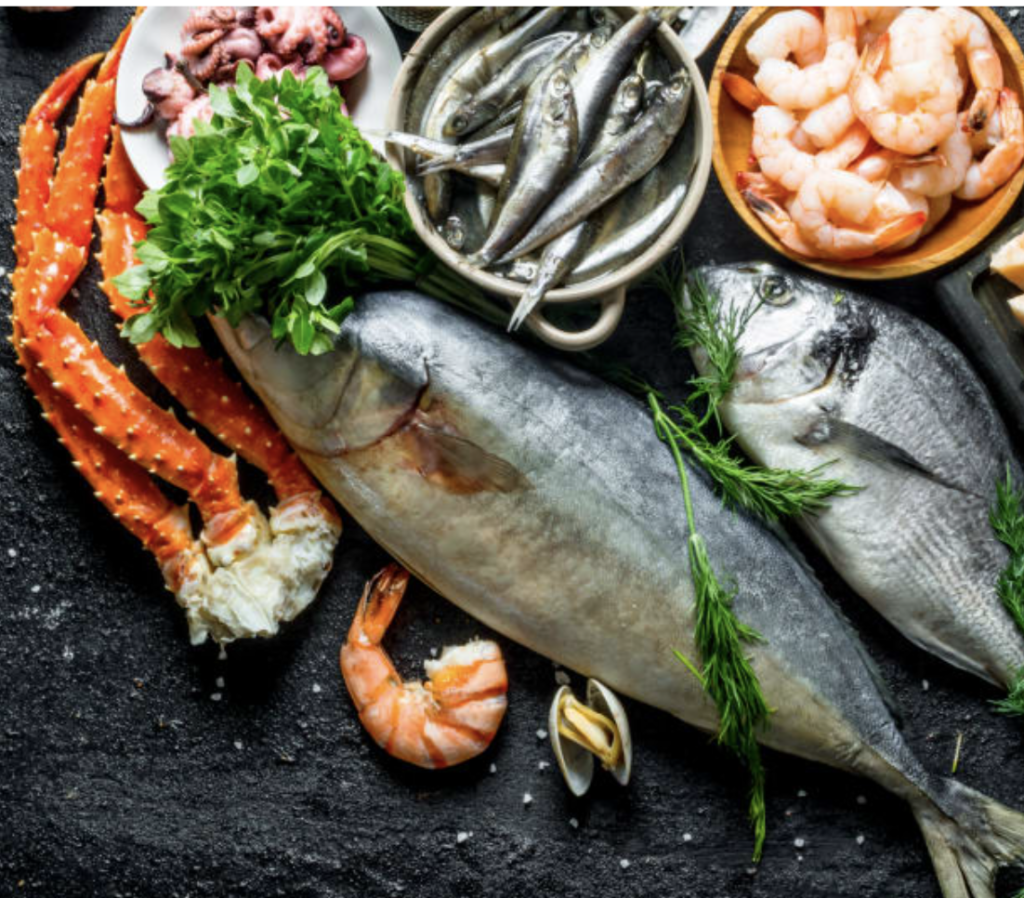
Fish and seafood are among the most nutrient-dense animal protein foods.
Examples include:
- Salmon
- Sardines
- Mackerel
- Herring
- Trout
- Tuna
- Cod
- Pollock
- Shrimp
- Oysters
- Mussels
- Other shellfish
Fish provides high-quality protein and, depending on the species, can also provide omega-3 fatty acids, selenium, vitamin B12, iodine, and other nutrients.
Fatty fish such as salmon, sardines, mackerel, herring, and trout are particularly valuable sources of EPA and DHA omega-3 fatty acids.
The American Heart Association recommends regular fish and seafood consumption as part of a heart-healthy dietary pattern, particularly emphasizing fish rich in omega-3 fatty acids.
Fish can therefore be a useful alternative to animal protein sources that contain higher amounts of saturated fat.
Preparation is also important. Baked, grilled, steamed, poached, or roasted fish generally fits more easily into a healthy eating pattern than heavily breaded or deep-fried fish.
Eggs
Eggs are another highly nutritious animal protein food.
They provide complete protein as well as nutrients such as:
- Choline
- Vitamin B12
- Selenium
- Riboflavin
- Other vitamins and minerals
Eggs are inexpensive, versatile, and easy to include in meals.
Current evidence does not support treating eggs as inherently unhealthy for everyone. However, individual dietary circumstances matter, particularly for people with certain lipid disorders or other health considerations.
Eggs can therefore be part of a balanced dietary pattern rather than being automatically classified as either a “healthy” or “unhealthy” food.
Greek Yogurt
Plain Greek yogurt is a convenient high-protein dairy food.
Because some of the liquid is removed during production, Greek yogurt often contains more protein per serving than conventional yogurt.
It can also provide calcium and other nutrients.
Choosing plain, unsweetened Greek yogurt can be useful for people who want protein without substantial amounts of added sugar.
Greek yogurt can be eaten with fruit, oats, nuts, or seeds, making it easy to combine animal protein with plant-based foods.
Milk
Milk provides protein, calcium, vitamin B12, and other nutrients.
Low-fat and fat-free milk provide many of the nutritional benefits of dairy while containing less saturated fat than full-fat varieties.
Milk can therefore be a convenient way to increase protein intake, particularly for people who tolerate dairy well.
Cottage Cheese
Cottage cheese is another protein-rich dairy food.
It can be used at breakfast, as a snack, or as part of a larger meal.
Because sodium levels can differ considerably between brands, checking the nutrition label can be useful when choosing cottage cheese.
Chicken
Chicken is one of the most widely consumed lean animal protein sources.
Skinless chicken breast is particularly well known for providing a high amount of protein relative to calories.
Other cuts of chicken can also fit into a healthy diet, but the fat content varies depending on the cut and whether the skin is consumed.
Removing the skin and choosing preparation methods such as grilling, roasting, baking, or air frying can help keep the meal relatively lean.
Turkey
Turkey is another useful source of lean animal protein.
Skinless turkey breast is particularly protein-rich and can be incorporated into salads, sandwiches, grain bowls, soups, and main meals.
However, fresh turkey should be distinguished from processed turkey products.
Deli turkey, turkey sausage, and other processed products can contain substantially more sodium and other ingredients than fresh turkey.
Lean Beef
Beef provides complete protein and several important micronutrients.
It is particularly notable for providing:
- Vitamin B12
- Zinc
- Iron
- Selenium
- Protein
Choosing lean cuts can reduce saturated fat intake.
Examples of commonly selected lean cuts include certain round, loin, and sirloin cuts.
Fresh lean beef is nutritionally different from processed beef products such as bacon-like cured products, sausages, and other processed meats.
Lean Pork
Lean pork can also be included as an animal protein source.
Pork tenderloin and other lean cuts can provide substantial amounts of protein while containing less fat than some fattier cuts.
As with beef and poultry, preparation and processing matter.
Fresh pork and processed pork products should not be considered nutritionally equivalent.
High Protein Animal Foods
The term high protein animal foods generally describes animal foods that provide substantial amounts of protein relative to their serving size or calorie content.
Examples include:
- Chicken breast
- Turkey breast
- Tuna
- Salmon
- Sardines
- Shrimp
- Lean beef
- Lean pork
- Eggs
- Greek yogurt
- Cottage cheese
- Milk
The exact amount of protein varies depending on the species, cut, preparation method, serving size, and product.
For this reason, nutrition labels and reliable food composition databases are more useful than assuming that one particular food always contains a fixed amount of protein.
Animal Protein Nutrition
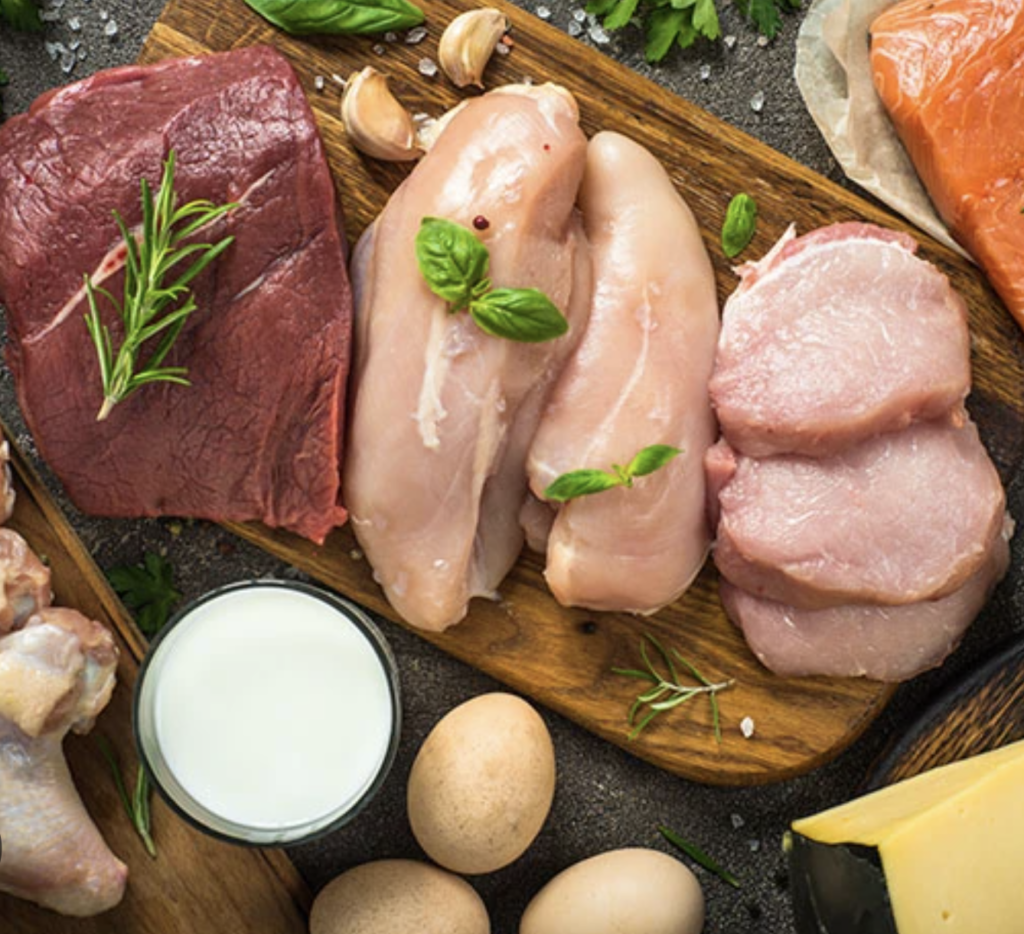
Animal protein foods provide much more than protein.
Depending on the specific food, they can supply important vitamins, minerals, fatty acids, and other nutrients.
Vitamin B12
Vitamin B12 is naturally concentrated in many animal-derived foods.
It is required for normal red blood cell formation, neurological function, and DNA synthesis.
Meat, fish, eggs, and dairy can therefore be important dietary sources of vitamin B12.
People following vegetarian or vegan diets need to obtain B12 through fortified foods or supplements when appropriate.
Iron
Meat and seafood can provide iron.
Heme iron, found in animal tissues, is generally more bioavailable than non-heme iron found in plant foods.
This can make meat and seafood useful sources of iron for people with higher requirements.
However, iron needs vary considerably between individuals, and consuming more iron than needed is not necessarily beneficial.
Zinc
Beef, poultry, shellfish, and other animal foods can provide zinc.
Zinc is involved in numerous physiological processes, including protein synthesis, DNA synthesis, wound healing, and normal immune function.
Selenium
Fish, seafood, eggs, and meat can provide selenium.
Selenium contributes to several important biological systems, including antioxidant defense and thyroid hormone metabolism.
Calcium
Milk, yogurt, and other dairy products are important sources of calcium.
Calcium is required for bone health, muscle contraction, nerve signaling, and other physiological functions.
Omega-3 Fatty Acids
Fatty fish provide EPA and DHA omega-3 fatty acids.
This is one reason fish is nutritionally distinct from many other animal protein foods.
The nutritional value of salmon, sardines, and mackerel cannot be fully described simply by their protein content.
Animal Protein Benefits
There are several potential animal protein benefits, particularly when nutrient-rich animal foods are incorporated into a balanced dietary pattern.
High Essential Amino Acid Content
Many animal proteins contain substantial amounts of essential amino acids.
This makes them useful for maintaining and building body tissues.
Support for Muscle Protein Synthesis
Protein supplies amino acids needed for muscle protein synthesis.
Animal proteins are generally highly digestible and rich in essential amino acids.
This can be particularly relevant for athletes, resistance-training individuals, and older adults.
Convenient Nutrient Density
Some animal protein foods provide several nutrients simultaneously.
For example, fish can provide protein, vitamin B12, selenium, and omega-3 fatty acids.
Eggs provide protein, choline, selenium, and vitamin B12.
Dairy can provide protein and calcium.
Lean meat can provide protein, iron, zinc, and vitamin B12.
This combination can make selected animal foods nutritionally useful.
Supporting Adequate Protein Intake
Some people find animal foods easier to use when trying to meet protein requirements.
Foods such as eggs, Greek yogurt, chicken, fish, and lean meat can provide substantial protein without requiring large food volumes.
This can be particularly useful for older adults or physically active individuals who have difficulty consuming sufficient protein.
Animal Protein and Muscle Health
One of the most important areas of current research concerns the relationship between animal protein and skeletal muscle.
Muscle tissue is constantly undergoing breakdown and synthesis.
Dietary protein supplies amino acids that can stimulate muscle protein synthesis and support tissue maintenance.
Animal proteins are particularly interesting because they often contain relatively high levels of essential amino acids and leucine.
What Does Recent Research Show?
A 2025 systematic review and meta-analysis examined 43 randomized controlled trials comparing plant and animal proteins for muscle-related outcomes.
The analysis found a small overall difference favoring animal protein for muscle mass, but there was no statistically significant overall difference in muscle strength or physical performance.
The researchers also found that soy protein did not significantly differ from milk protein for muscle mass.
These findings suggest that some animal proteins may have an advantage over certain plant proteins for muscle mass, but the difference is not universal and should not be interpreted as evidence that animal protein is always superior.
More recent 2026 evidence examining muscle protein synthesis similarly found a small and uncertain overall difference between animal and plant proteins. The available evidence suggested a modest advantage for animal protein among older adults, while younger adults showed more similar responses.
Importantly, much of the animal-protein research involved milk-based proteins, meaning that the findings cannot automatically be applied equally to fish, eggs, beef, chicken, or every other animal food.
Animal Protein vs Plant Protein
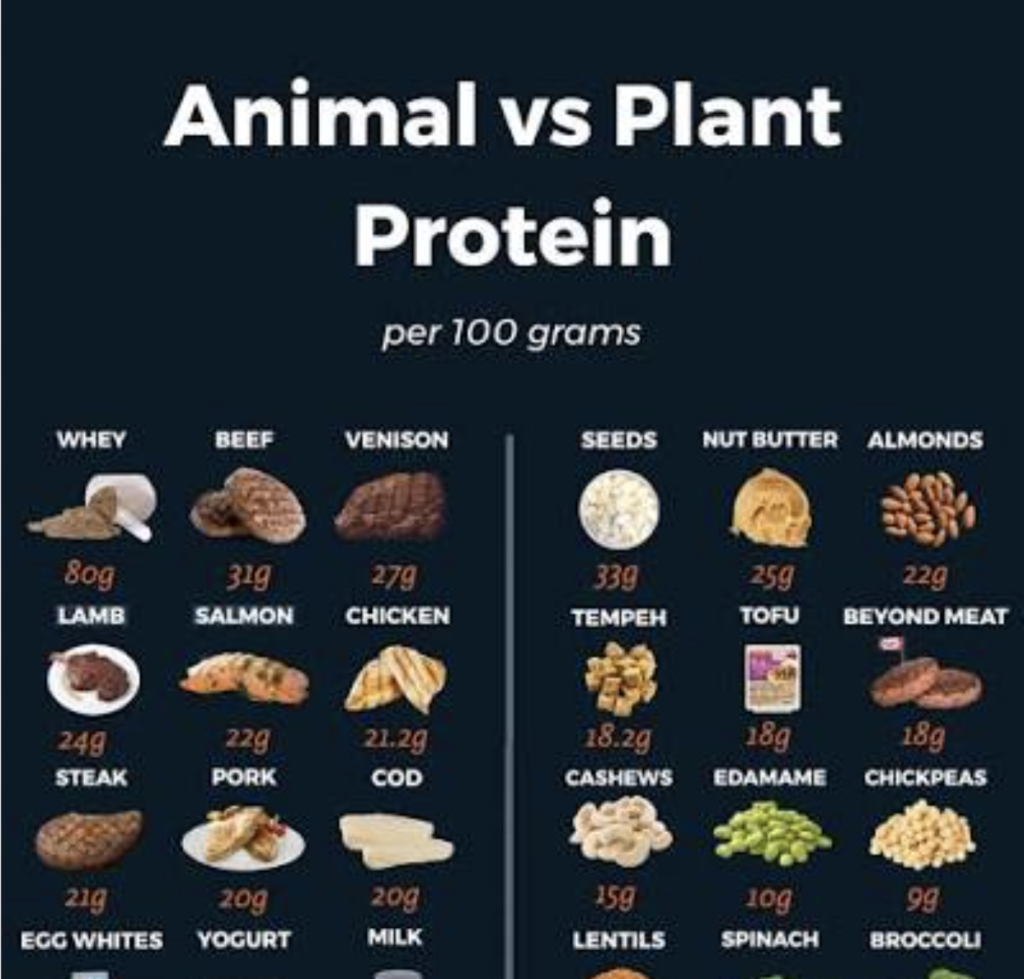
The debate surrounding animal protein vs plant protein has become increasingly sophisticated.
Animal proteins generally have excellent essential amino acid profiles and high digestibility.
Plant proteins can vary more widely in amino acid composition and digestibility.
However, plant proteins can also provide substantial nutritional advantages because they are often packaged with:
- Dietary fiber
- Potassium
- Magnesium
- Polyphenols
- Unsaturated fats
- Complex carbohydrates
- Other plant compounds
This means that comparing isolated protein sources can produce a different conclusion from comparing whole foods.
For example:
A serving of salmon provides protein and omega-3 fatty acids.
A serving of beans provides protein and dietary fiber.
A serving of Greek yogurt provides protein and calcium.
A serving of nuts provides protein and unsaturated fats.
A processed sausage provides protein but may also provide significant sodium and saturated fat.
Therefore, the overall health effect of protein depends on the food that contains the protein and the food it replaces.
Is Animal Protein Necessary?
Animal protein is not biologically required.
The human body requires amino acids and other nutrients, not a specific food category.
A well-planned plant-based diet can provide adequate protein through foods such as:
- Beans
- Lentils
- Peas
- Soybeans
- Tofu
- Tempeh
- Nuts
- Seeds
- Whole grains
Soy is particularly notable because it provides a relatively complete essential amino acid profile.
Research comparing specific protein sources also illustrates that some plant proteins can perform similarly to animal proteins in certain contexts.
Therefore, animal protein can be useful without being nutritionally mandatory.
Healthy Animal Protein Sources
The term healthy animal protein sources should generally refer to animal foods that provide high-quality protein and useful nutrients without excessive amounts of saturated fat, sodium, or highly processed ingredients.
Examples commonly include:
- Fish
- Seafood
- Skinless chicken
- Skinless turkey
- Plain Greek yogurt
- Low-fat yogurt
- Low-fat milk
- Eggs
- Lean unprocessed beef
- Lean unprocessed pork
The American Heart Association generally recommends emphasizing plant proteins, seafood, low-fat or fat-free dairy, and lean unprocessed meat or poultry when animal protein is included.
This approach is different from simply maximizing total animal protein intake.
Lean Animal Protein Sources
Lean animal protein sources are particularly useful for people who want substantial protein while limiting saturated fat.
Skinless Chicken
Chicken breast is a common lean protein choice.
Removing the skin can substantially reduce fat content.
Turkey Breast
Turkey breast is another relatively lean protein option.
White Fish
Cod, haddock, pollock, and similar fish can provide substantial protein with relatively little fat.
Tuna
Tuna is protein-rich and can be used in salads, sandwiches, and other meals.
Fish safety considerations, including species-specific mercury guidance, should be considered when consuming fish regularly.
Shrimp and Shellfish
Shrimp and many shellfish provide substantial protein as well as minerals such as selenium and zinc.
Plain Greek Yogurt
Plain Greek yogurt can provide significant protein without large amounts of added sugar.
Low-Fat Cottage Cheese
Cottage cheese can provide protein and calcium, although sodium varies considerably by product.
Lean Beef
Lean cuts of beef can provide protein, iron, zinc, and vitamin B12.
Red Meat and Health
Red meat includes beef, pork, lamb, and similar meats.
It should not automatically be placed into the same category as processed meat.
Research on red meat and health outcomes is complex.
Observational studies have frequently reported associations between higher red meat consumption and certain chronic disease outcomes.
However, observational research cannot establish that red meat itself directly caused those outcomes.
People who consume more red meat may differ in many other ways, including their consumption of vegetables, whole grains, fiber, alcohol, sugary foods, and processed foods.
Randomized controlled trials provide a different type of evidence.
Recent research suggests that the cardiovascular effects associated with red meat depend partly on what food replaces it.
For example, replacing some red meat with plant protein may produce different lipid effects than replacing it with refined carbohydrates or another animal food.
This is why the question “Is red meat healthy or unhealthy?” is often too broad to be scientifically useful.
A more informative question is:
What type of meat is being consumed, how much is consumed, how is it prepared, and what food is it replacing?
Processed Meat Is Different
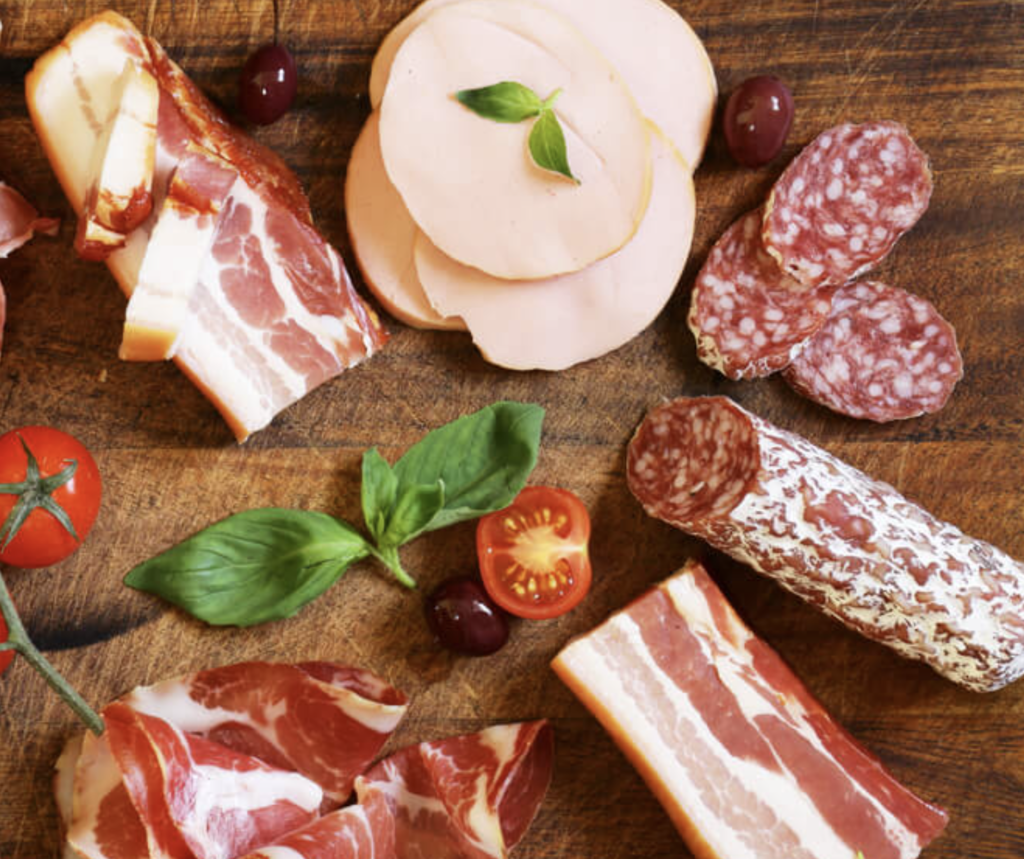
Processed meat includes products such as:
- Bacon
- Sausage
- Hot dogs
- Salami
- Ham
- Some deli meats
- Cured meats
- Jerky
These foods can contain substantial sodium and saturated fat, and their processing distinguishes them from fresh, minimally processed animal foods.
The American Heart Association recommends minimizing processed meats and choosing lean, unprocessed meat when meat is consumed.
This distinction is important because conclusions about processed meat should not automatically be applied to fish, eggs, yogurt, or fresh chicken.
Animal Protein and Cardiovascular Health
The relationship between animal protein and cardiovascular health depends largely on the source of the protein and the broader dietary pattern.
Fish and seafood can provide omega-3 fatty acids.
Lean poultry can provide protein with less saturated fat than many fatty meat cuts.
Low-fat dairy can provide protein and calcium with relatively little saturated fat.
Processed meat can contribute sodium and saturated fat.
Therefore, simply counting grams of animal protein does not provide enough information to predict cardiovascular effects.
The quality of the food and the rest of the diet matter.
Animal Protein and Cholesterol
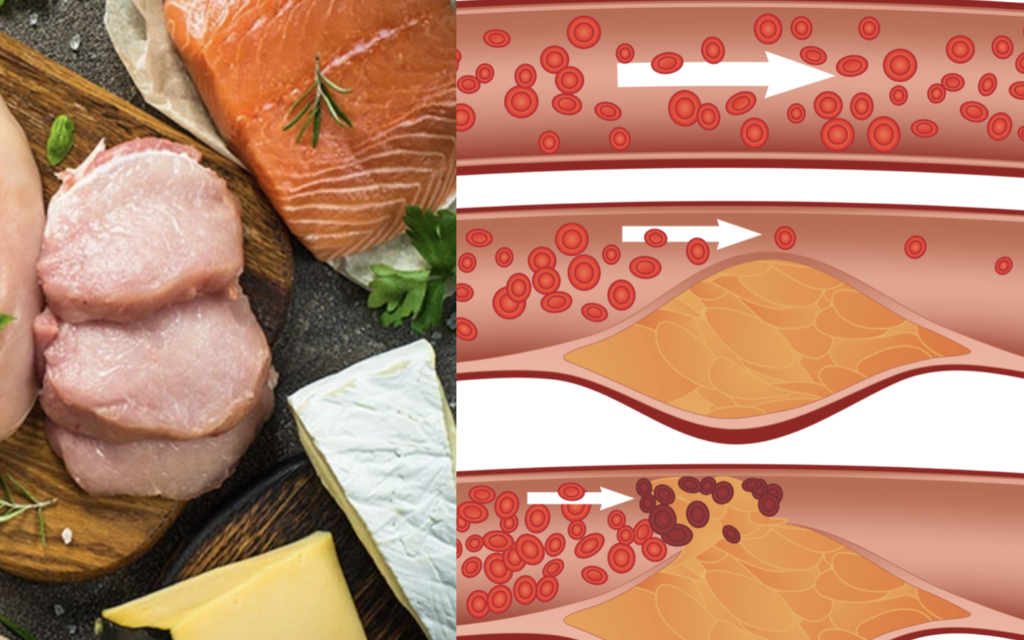
Some animal protein foods are high in saturated fat.
High intake of saturated fat can increase LDL cholesterol in many people.
Fattier cuts of beef and pork, processed meats, butter, and some full-fat dairy products can contribute significant saturated fat.
By contrast, fish, skinless poultry, low-fat dairy, and lean meat can provide protein with less saturated fat.
This is one reason that choosing lean animal protein sources can be useful for people trying to improve the overall fat composition of their diet.
Animal Protein and Type 2 Diabetes
Research investigating animal protein and type 2 diabetes must also distinguish among different animal foods.
Processed meat has frequently been associated with higher diabetes risk in observational studies.
However, this does not mean that all animal protein causes diabetes.
Dietary patterns containing high amounts of processed meat may also contain more refined carbohydrates, sodium, saturated fat, and fewer vegetables and whole grains.
Substitution research is therefore particularly valuable.
When processed meat is replaced with nuts, legumes, or whole grains, the entire nutritional composition of the diet changes.
Recent systematic reviews have found associations between such substitutions and more favorable cardiometabolic outcomes.
These findings are important but remain largely observational for long-term disease outcomes.
Animal Protein and Cancer Research
Cancer research also requires careful distinction between different animal foods.
The evidence concerning processed meat and red meat cannot simply be applied to fish, eggs, dairy, or poultry.
A 2025 systematic review examining the substitution of animal foods with plant foods included 17 studies. Some reported lower risks of certain cancers and lower mortality when animal foods or animal protein were replaced with plant foods or plant protein, while other studies did not find significant associations.
Because the studies were highly heterogeneous, the researchers did not conduct a single pooled meta-analysis.
This means the evidence should not be simplified into the claim that eliminating all animal protein prevents cancer.
Instead, dietary quality, food processing, quantity, and substitution patterns remain important considerations.
Animal Protein and the Gut Microbiome
The gut microbiome is another area of active nutrition research.
Dietary protein can influence the substrates available to intestinal microorganisms, but the effects depend heavily on the rest of the diet.
A diet dominated by processed meats and low in fiber is nutritionally different from a diet containing fish or lean poultry alongside vegetables, legumes, fruits, and whole grains.
Fiber is particularly important because vegetables, fruits, legumes, and whole grains provide fermentable carbohydrates that support a diverse range of gut microbial processes.
Consequently, someone who consumes animal protein regularly should still prioritize adequate fiber-rich plant foods.
Protein Requirements
Protein requirements vary among individuals.
The commonly cited adult Recommended Dietary Allowance is approximately 0.8 grams of protein per kilogram of body weight per day for generally healthy adults.
However, this figure is not necessarily the optimal target for every person.
Protein needs can be influenced by:
- Age
- Body size
- Physical activity
- Resistance training
- Pregnancy
- Recovery from illness or injury
- Energy intake
- Overall health
- Kidney and other medical conditions
Older adults and athletes may require more protein than the basic adult reference amount.
People with medical conditions affecting protein metabolism or kidney function should obtain individualized guidance from a qualified healthcare professional.
Protein Distribution Throughout the Day
The body uses amino acids continuously.
Instead of concentrating almost all protein into one meal, many people may benefit from distributing protein across meals.
For example:
Breakfast: Eggs with vegetables and whole-grain toast.
Lunch: Grilled chicken with vegetables, beans, and whole grains.
Snack: Greek yogurt with berries and nuts.
Dinner: Baked salmon with vegetables and lentils.
This approach provides repeated protein opportunities while also increasing dietary variety.
Animal Protein for Athletes
Athletes and resistance-training individuals often have greater protein needs than sedentary adults.
Animal protein can be convenient because it is generally highly digestible and rich in essential amino acids.
Useful foods include:
- Eggs
- Milk
- Greek yogurt
- Chicken
- Turkey
- Fish
- Lean beef
However, athletes do not need to obtain all their protein from animal foods.
Soy, tofu, tempeh, beans, lentils, peas, nuts, seeds, and other plant foods can also contribute to total protein intake.
A combination of animal and plant protein can make it easier to obtain a broad range of nutrients.
Animal Protein for Older Adults
Maintaining muscle mass and physical function becomes increasingly important with age.
Older adults may experience anabolic resistance, meaning that muscle tissue can respond less strongly to a given amount of dietary protein.
High-quality animal proteins may therefore be useful because they provide essential amino acids and are generally highly digestible.
Recent evidence suggests that animal proteins may provide a modest advantage for muscle protein synthesis in some older adults.
However, the evidence remains limited and does not establish that older adults must consume animal protein.
Resistance exercise, sufficient total protein, adequate energy intake, vitamin D status, sleep, and physical activity are also important.
Cooking Methods and Animal Protein Quality
How an animal protein food is prepared can substantially influence its nutritional profile.
Generally useful cooking methods include:
- Baking
- Roasting
- Grilling
- Broiling
- Steaming
- Poaching
- Slow cooking
- Air frying
Deep frying can substantially increase calorie and fat intake.
Heavy sauces can also add considerable sodium, added sugar, and saturated fat.
A simple piece of grilled chicken is nutritionally different from chicken that is heavily breaded, deep-fried, and served with a high-sodium sauce.
Portion Size Matters
Protein-rich foods can still contribute excessive calories if portions become very large.
The American Heart Association commonly uses approximately 3 ounces of cooked meat or poultry as a practical portion reference.
Individual requirements vary, however.
A balanced plate can contain:
- A moderate protein portion
- Plenty of vegetables
- Whole grains or other nutrient-rich carbohydrates
- Healthy fats
- Fruit when appropriate
This creates greater nutritional diversity than making a very large serving of meat the central component of every meal.
How to Choose Healthy Animal Protein Foods
When shopping for animal protein, consider several factors.
Choose Less Processed Foods
Fresh fish, eggs, plain yogurt, fresh chicken, and lean meat are generally less processed than sausages, bacon, and many deli meats.
Look for Lean Options
Choose lean cuts of meat and skinless poultry when appropriate.
Compare Saturated Fat
Nutrition labels can help identify products that provide protein with less saturated fat.
Watch Sodium
Processed meat, cured seafood, cheeses, and prepared poultry products can contain substantial sodium.
Consider Additional Nutrients
Think beyond protein.
Fish can provide omega-3 fatty acids.
Dairy can provide calcium.
Eggs can provide choline.
Meat can provide iron and zinc.
Consider What the Food Replaces
Replacing processed meat with beans or fish may have a different nutritional effect than simply adding another serving of meat to the diet.
The Importance of Food Substitution
One of the most important concepts in modern nutrition research is substitution.
If a person eats more protein from one source while total calorie intake remains similar, another food is likely being displaced.
For example:
Replacing processed meat with:
- Beans
- Lentils
- Nuts
- Whole grains
- Fish
can change the overall nutrient composition of the diet.
The person may consume more fiber, potassium, unsaturated fat, and other beneficial nutrients while consuming less sodium or saturated fat.
Therefore, many long-term studies ask not simply whether people eat animal protein but what happens when one protein source replaces another.
Latest Research on Animal Protein and Mortality
Long-term observational research has produced important findings concerning animal and plant protein.
A 2026 systematic review and meta-analysis of prospective cohort studies involving more than one million participants found that replacing a small proportion of calories from animal protein with plant protein was associated with lower all-cause mortality and cardiovascular mortality.
However, these studies were observational.
They do not prove that plant protein itself caused the lower mortality.
There can be residual confounding from lifestyle, diet quality, physical activity, smoking, alcohol intake, socioeconomic factors, and other variables.
The findings are therefore best interpreted as evidence of an association rather than proof of a direct causal effect.
Why Animal Protein Research Can Produce Different Results
Nutrition studies can produce apparently conflicting results because they use different research designs.
Randomized Controlled Trials
Participants are assigned to different dietary interventions.
These studies can provide stronger evidence for causal effects, but they are often relatively short and may measure biomarkers or muscle outcomes rather than decades-long disease outcomes.
Cohort Studies
Researchers follow people over many years and compare dietary patterns with health outcomes.
These studies can examine mortality and chronic diseases but cannot completely eliminate confounding.
Meta-Analyses
Researchers combine results from multiple studies.
A meta-analysis can increase statistical power, but its conclusions are limited by the quality and similarity of the studies included.
This explains why muscle research may show a modest advantage for animal protein while long-term observational studies associate certain plant-protein substitutions with favorable outcomes.
The studies may be answering different questions.
Animal Protein Is Not One Food Category
Perhaps the most important principle to remember is that animal protein is not a single food.
Consider the differences between:
- Salmon
- Sardines
- Eggs
- Greek yogurt
- Skinless chicken
- Lean beef
- Fatty beef
- Bacon
- Sausage
All contain animal protein.
But their nutritional profiles are substantially different.
Salmon contains protein and omega-3 fatty acids.
Greek yogurt contains protein and calcium.
Eggs contain protein and choline.
Lean beef contains protein, iron, zinc, and vitamin B12.
Processed sausage can contain protein but also substantial sodium and saturated fat.
Therefore, saying “animal protein is healthy” or “animal protein is unhealthy” is too broad to accurately describe the scientific evidence.
Can Animal and Plant Protein Be Combined?
Absolutely.
Combining animal and plant proteins is a practical approach for many people.
Examples include:
- Salmon with lentils
- Chicken with beans
- Eggs with whole-grain toast
- Greek yogurt with berries and nuts
- Fish with brown rice and vegetables
- Lean beef with beans and vegetables
- Yogurt with oats and seeds
This approach allows people to obtain high-quality protein while also consuming fiber, whole grains, legumes, nuts, seeds, vegetables, and fruits.
It also increases dietary variety.
A Practical Healthy Protein Pattern
A balanced dietary pattern does not need to eliminate animal protein.
A practical approach may involve:
Regular fish and seafood: Particularly fish rich in omega-3 fatty acids.
Lean poultry: Skinless chicken or turkey when desired.
Nutrient-rich dairy: Plain yogurt, Greek yogurt, and lower-fat milk when appropriate.
Eggs: Included according to individual dietary needs.
Lean unprocessed meat: Moderate portions when desired.
Limited processed meat: Keep bacon, sausages, hot dogs, and similar foods occasional rather than relying on them as primary protein sources.
Regular plant protein: Beans, lentils, soy, nuts, seeds, and whole grains.
Abundant plant foods: Vegetables and fruits should remain an important part of the overall diet.
Animal Protein and Wild Ginseng for Daily Wellness
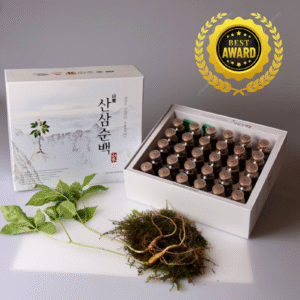
Animal protein foods such as fish, eggs, poultry, and lean meat provide high-quality protein and essential nutrients that support muscle maintenance and overall nutrition. Korean wild ginseng, traditionally valued for its ginsenosides, can complement a balanced diet as part of a daily wellness routine focused on vitality and general well-being. For those interested in adding Korean wild ginseng to their routine, explore the Sansamsoonbaek Korean Wild Ginseng Extract.
Common Misconceptions About Animal Protein
“All animal protein is unhealthy.”
This is an oversimplification.
Fish, eggs, dairy, poultry, lean meat, and processed meat have very different nutritional profiles.
“Animal protein is always better than plant protein.”
The research does not support such a universal conclusion.
Animal protein may provide modest advantages for certain muscle outcomes, while plant protein can contribute fiber-rich foods and may be associated with favorable long-term outcomes when replacing certain animal foods.
“You need animal protein to build muscle.”
You need amino acids to build muscle, not necessarily animal foods.
A carefully planned plant-based diet can provide adequate essential amino acids.
“More protein is always better.”
Protein is essential, but excessive protein can displace other nutrient-rich foods.
The objective is adequate protein within a balanced diet.
“All red meat is processed meat.”
No.
Fresh beef, pork, and lamb are not the same as bacon, sausage, ham, or other processed meats.
“A high-protein food is automatically healthy.”
Not necessarily.
A food can be high in protein and still contain excessive sodium, saturated fat, or calories.
The whole nutritional profile matters.
Animal Protein and Overall Diet Quality
Ultimately, health depends on more than protein.
A high-quality dietary pattern generally contains a variety of:
- Vegetables
- Fruits
- Whole grains
- Legumes
- Nuts
- Seeds
- Fish
- Seafood
- Lean poultry
- Dairy
- Eggs
- Other nutrient-dense foods
It also limits excessive intake of highly processed foods, added sugars, sodium, and unhealthy fats.
This means that animal protein should be considered one component of the diet rather than the foundation of the diet for everyone.
Final Takeaway
Animal protein sources can be valuable components of a healthy and nutritionally adequate diet.
Fish, seafood, eggs, dairy, chicken, turkey, and lean unprocessed meats can provide highly digestible protein and important nutrients such as vitamin B12, iron, zinc, selenium, calcium, choline, and omega-3 fatty acids, depending on the specific food.
At the same time, the nutritional quality of animal protein foods varies considerably.
Fish is not nutritionally equivalent to processed meat.
Greek yogurt is not equivalent to bacon.
Skinless chicken is not equivalent to sausage.
Lean beef is not equivalent to a highly processed meat product.
This is why the latest nutrition research increasingly emphasizes food quality, processing, substitution, and overall dietary patterns rather than simply categorizing foods as animal or plant.
Research on animal protein vs plant protein also provides a nuanced picture. Controlled trials suggest that certain animal proteins may offer a modest advantage for muscle mass or muscle protein synthesis in some circumstances, particularly among certain older adults. However, the evidence does not demonstrate that animal protein is universally superior to plant protein.
Long-term observational research has also found associations between replacing some animal protein with plant protein and lower mortality, particularly cardiovascular mortality. However, because these studies are observational, they cannot establish that plant protein itself directly caused the observed differences.
For most people, the practical goal is not to maximize animal protein or eliminate it completely.
A more balanced approach is to choose high quality animal protein from a variety of sources, emphasize fish and seafood, choose lean and minimally processed poultry and meat, include nutrient-rich dairy and eggs when appropriate, limit processed meats, and regularly consume plant proteins such as beans, lentils, soy, nuts, seeds, and whole grains.
In the end, the healthiest protein strategy is one that provides adequate protein and essential nutrients while supporting overall dietary quality, variety, and long-term health.

🇰🇷 Premium Korean Ginseng Online Shop | SeoulGinseng.com
We’re a Korea-based online shop dedicated to authentic, premium Korean ginseng
Boost your health naturally with premium Korean ginseng!
🇰🇷 All orders are shipped directly from Korea with free worldwide shipping.
🎁 20% OFF Your Order — Use Code: vip20 — Limited to the First 3 Orders Each Day!