Multivitamins and herbal supplements are widely used by adults who want to support their nutritional intake, energy, mental performance, and overall wellness. But an important question is often overlooked. Does every adult actually need a multivitamin, and can traditional ingredients such as wild ginseng have a meaningful place in a modern wellness routine?
Current research suggests that there is no universal answer. A healthy adult who eats a varied and nutrient dense diet may not necessarily need a daily multivitamin, while people with restricted diets, nutritional gaps, increased nutritional requirements, or certain medical circumstances may benefit from supplementation. At the same time, research on Asian ginseng, including Korean ginseng, has explored areas such as fatigue and cognitive function, although the strength of evidence varies between outcomes and studies.
Understanding the difference between nutritional supplementation and traditional herbal wellness is important when deciding how to build a long term health routine.
What Is a Multivitamin?
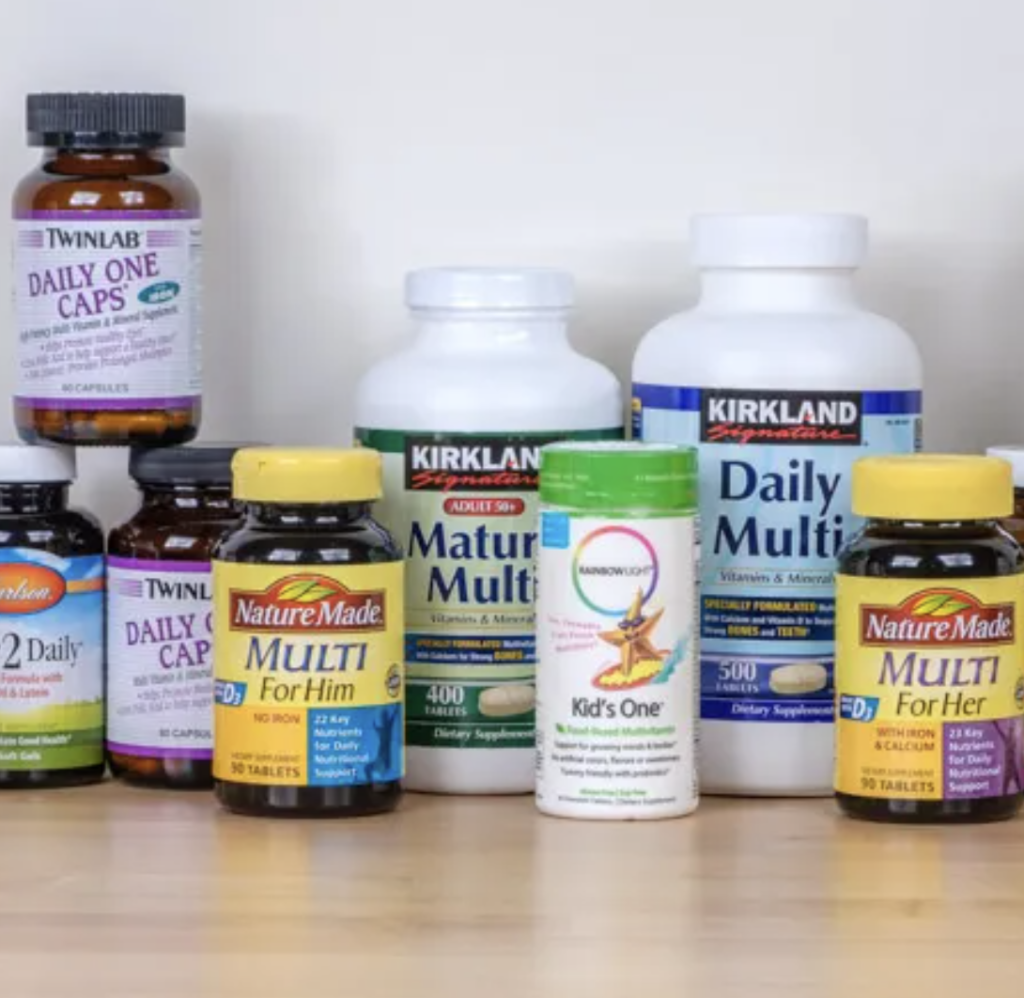
A multivitamin is a dietary supplement that combines several vitamins and sometimes minerals in one product. Formulations vary widely. Some contain nutrients close to recommended daily amounts, while others contain substantially higher quantities of selected vitamins and minerals.
Adults commonly take multivitamins because they want to fill nutritional gaps. This can be particularly relevant when someone has a limited diet, avoids certain food groups, has a low appetite, or has difficulty consistently obtaining enough nutrients from food.
However, a multivitamin should not be considered a replacement for a healthy diet.
Whole foods provide much more than isolated vitamins and minerals. Vegetables, fruits, legumes, whole grains, nuts, seeds, seafood, eggs, dairy products, and other nutrient dense foods provide combinations of nutrients, protein, fiber, and naturally occurring compounds that a conventional multivitamin cannot reproduce.
The National Institutes of Health therefore describes multivitamins primarily as a way of increasing nutrient intake rather than as a replacement for nutritious food.
Do Adults Need Multivitamins Every Day?
Not necessarily.
The nutritional needs of adults vary considerably. A person who regularly eats a diverse diet may already obtain sufficient amounts of many essential nutrients. In that situation, taking a multivitamin does not automatically produce additional health benefits.
Research on multivitamins and chronic disease prevention has also produced a more complicated picture than some supplement advertising suggests.
The U.S. Preventive Services Task Force has concluded that evidence is insufficient to determine whether multivitamins provide an overall benefit for preventing cardiovascular disease or cancer in community dwelling, nonpregnant adults.
This does not mean that multivitamins are useless.
It means that the evidence for correcting or preventing nutritional inadequacy is different from evidence showing that multivitamins prevent major chronic diseases.
A person may benefit nutritionally from receiving a nutrient that was previously lacking without experiencing a measurable reduction in heart disease or cancer risk.
This distinction is essential when interpreting supplement research.
What Does Recent Research Say About Multivitamins?
Large clinical trials have generally not established that routine multivitamin use substantially reduces cardiovascular disease, total cancer, or overall mortality in healthy adults.
The COSMOS randomized clinical trial included more than twenty thousand older adults and compared daily multivitamin supplementation with placebo. The trial did not find a statistically significant reduction in total invasive cancer or major cardiovascular disease. It also did not demonstrate a significant reduction in all cause mortality.
Another large study published in JAMA Network Open followed approximately three hundred ninety thousand generally healthy adults for more than twenty years. Daily multivitamin use was not associated with a lower risk of mortality.
However, this study was observational, which means that it cannot prove that multivitamin use causes either benefit or harm. People who choose to take supplements can differ from people who do not take them in diet, exercise, healthcare use, socioeconomic factors, and many other characteristics.
Randomized clinical trials therefore remain particularly important when evaluating whether multivitamins actually prevent disease.
Overall, current evidence supports a cautious conclusion. Multivitamins can help increase nutrient intake, but they should not be regarded as a guaranteed strategy for preventing chronic disease or extending lifespan.
When Might a Multivitamin Be Useful?
A multivitamin may have a more practical role when a person has difficulty meeting nutritional requirements through food.
Potential situations include a highly restrictive diet, low overall food intake, avoidance of particular food groups, increased nutritional requirements, or circumstances that affect nutrient absorption.
For example, people who avoid animal derived foods need to pay particular attention to vitamin B12. Older adults can also have different nutritional considerations compared with younger adults.
In these circumstances, supplementation may be useful because it addresses a nutritional need.
This is different from taking a multivitamin simply because more vitamins are assumed to be better.
Nutrients have physiological roles, but excessive intake does not necessarily produce additional benefits and can sometimes create health risks.
What About Wild Ginseng?

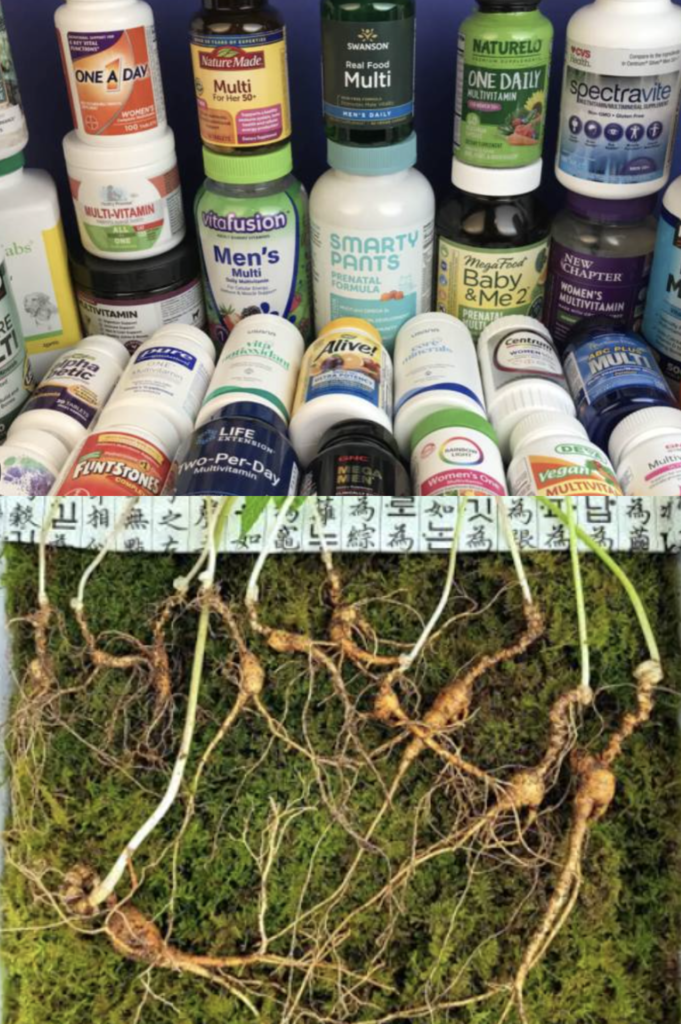
Wild ginseng is a different type of supplement from a multivitamin.
Multivitamins primarily provide vitamins and minerals. Wild ginseng is a botanical ingredient containing numerous naturally occurring compounds, including ginsenosides, which are considered among the major bioactive constituents of Asian ginseng.
Korean ginseng is generally associated with Panax ginseng, also known as Asian ginseng. Asian ginseng has a long history of traditional use in Korea and other parts of East Asia.
Modern scientific research has investigated Asian ginseng for a variety of potential effects, including fatigue, cognitive function, metabolic health, immune related outcomes, and other areas. However, the evidence is not equally strong for all of these areas, and many clinical studies have been relatively small or short in duration.
This means that wild ginseng should not be presented as a replacement for vitamins and minerals or as a treatment for a disease.
Instead, it can be considered a traditional botanical ingredient that some adults choose to incorporate into a broader wellness routine.
Wild Ginseng and Fatigue

Fatigue is one of the most frequently studied areas of ginseng research.
A systematic review and meta analysis published in 2023 examined nineteen randomized controlled trials involving ginseng and ginseng herbal formulas. The pooled analysis did not find a statistically significant reduction in overall fatigue severity from ginseng compared with controls. However, some subgroup analyses suggested possible benefits from certain ginseng formulas and in chronic fatigue.
The National Center for Complementary and Integrative Health similarly summarizes the evidence as suggesting that Asian ginseng may have a small beneficial effect on general fatigue, while emphasizing that not all studies agree.
This is an important example of why responsible health writing should avoid saying that ginseng definitely increases energy.
A more accurate statement is that research has explored whether Asian ginseng may support aspects of fatigue and everyday vitality, but the evidence remains mixed and further research is needed.
Wild Ginseng and Cognitive Function
Cognitive function is another area of growing interest.
A systematic review and meta analysis published in 2024 evaluated fifteen randomized controlled trials involving 671 participants. The researchers reported a statistically significant improvement in memory, particularly at higher doses, but did not find significant positive effects on overall cognition, attention, or executive function. The authors concluded that more high quality studies are needed.
This finding is interesting because it suggests that the effects of ginseng may not be uniform across every aspect of cognitive performance.
Memory, attention, reaction time, executive function, and overall cognition are different outcomes.
A supplement that affects one measure does not necessarily improve all aspects of mental performance.
The NCCIH also notes that a small amount of research has suggested potential improvements in certain cognitive measures such as abstract thinking, attention, arithmetic skills, and reaction time in middle aged adults, while evidence for memory has been less consistent.
Therefore, wild ginseng may be of interest to adults who want to include a traditional Korean botanical in a wellness routine that also emphasizes sleep, physical activity, nutritious food, and mental engagement.
It should not, however, be marketed as a treatment for dementia or other neurological diseases.
Ginsenosides and Wild Ginseng
One of the most important characteristics of Asian ginseng is its naturally occurring ginsenosides.
Ginsenosides are a diverse group of compounds found in Panax species. Researchers have investigated their biological activities in laboratory and clinical settings.
Different ginseng preparations can contain different amounts and profiles of ginsenosides because the plant variety, age, growing conditions, processing method, extraction method, and other factors can influence the final composition.
This is particularly relevant when comparing conventional cultivated ginseng, red ginseng, white ginseng, and products marketed as wild or mountain grown ginseng.
The presence of a particular compound does not automatically prove that a product produces a specific clinical benefit.
A laboratory finding is not equivalent to a human clinical outcome.
For this reason, consumers should distinguish between the chemical composition of a ginseng product and proven health outcomes in humans.
Korean Wild Ginseng as Part of a Wellness Routine
For people interested specifically in Korean wild ginseng, product quality and composition are important considerations.
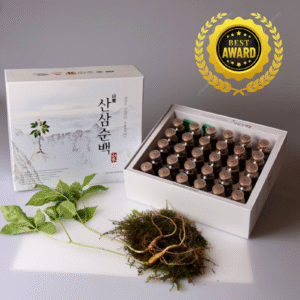
The Korean Wild Ginseng Extract offered by SeoulGinseng.com is described by the manufacturer as a 20 milliliter bottle format with thirty bottles per box and an extract made from seven year old mountain grown Korean ginseng. The product page states that it contains pure wild ginseng extract without added sweeteners, thickeners, or preservatives.
The product page also reports a stated ginsenoside content of 316.8 milligrams per bottle. These are product specific specifications provided by the seller and should not be interpreted as evidence that the product has been clinically proven to prevent or treat a disease.
If you are interested in Korean wild ginseng as part of a broader wellness routine, you can learn more about the product here.
Korean Wild Ginseng Extract at SeoulGinseng.com
The decision to use wild ginseng should be based on personal preferences, dietary habits, health circumstances, and appropriate professional advice when necessary.
Wild Ginseng Is Not a Replacement for a Multivitamin
It is important not to treat wild ginseng and multivitamins as interchangeable products.
A multivitamin is designed to provide vitamins and minerals.
Wild ginseng is a botanical supplement containing ginsenosides and other naturally occurring compounds.
If an adult has a documented vitamin or mineral deficiency, wild ginseng should not be considered a substitute for the nutrient that is lacking.
For example, someone with inadequate vitamin B12 intake may need a reliable source of vitamin B12. Someone with iron deficiency may require a specific approach to iron rather than a botanical supplement.
Likewise, a person who already meets nutritional requirements through food may not necessarily need a multivitamin.
Wild ginseng can occupy a completely different place in a wellness routine.
It may be selected because of its traditional use, its botanical composition, and the growing scientific interest in ginseng and its ginsenosides.
Can Wild Ginseng Support Energy and Vitality?

This is one of the most common reasons people are interested in Korean ginseng.
Research has explored ginseng in relation to fatigue, but results are not completely consistent.
The current evidence does not justify describing wild ginseng as a guaranteed energy booster.
A more scientifically appropriate perspective is that Asian ginseng has been studied for possible effects on general fatigue and subjective well being, with some evidence suggesting modest effects but with substantial uncertainty.
For everyday vitality, lifestyle factors remain much more fundamental.
Adequate sleep, regular physical activity, sufficient calories and protein, hydration, stress management, and a nutrient dense diet all play major roles in maintaining energy.
A botanical supplement should complement these foundations rather than replace them.
Wild Ginseng and Immune Health
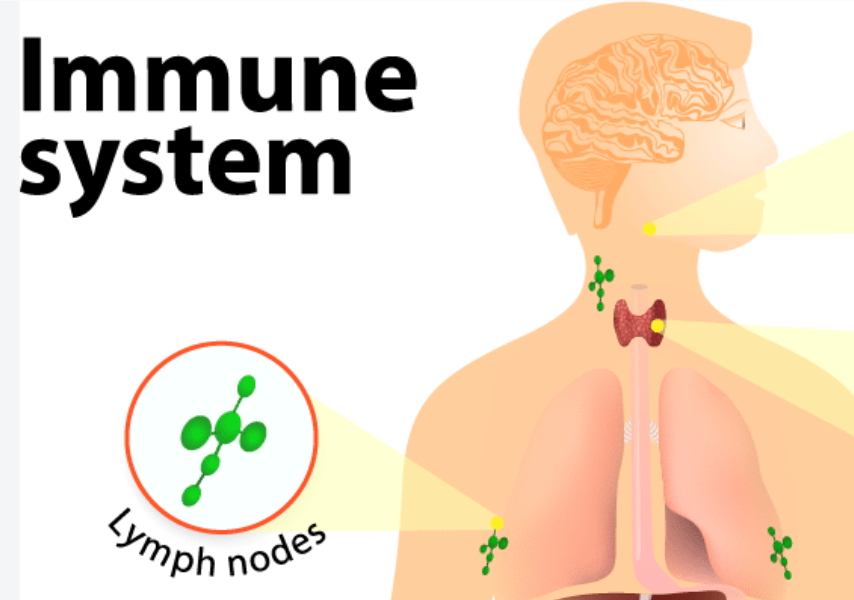
Ginseng is also widely associated with immune health.
Asian ginseng contains bioactive compounds that have been investigated for their effects on immune related pathways.
However, evidence for specific clinical outcomes remains limited.
NCCIH notes that preliminary research has examined Asian ginseng and respiratory infections, but the evidence is not sufficient to make strong conclusions about its ability to prevent or treat infections.
Therefore, it is more appropriate to describe ginseng as a traditional wellness ingredient that has been studied for immune related effects than to claim that it prevents illness.
A healthy immune system depends on many factors, including adequate nutrition, sleep, physical activity, vaccination where appropriate, and management of underlying health conditions.
Wild Ginseng and Antioxidant Activity
Ginseng contains compounds that have antioxidant activity in laboratory research.
Antioxidants are substances that can interact with reactive molecules involved in oxidative processes.
However, the existence of antioxidant activity in a laboratory experiment does not automatically mean that consuming a particular supplement will prevent oxidative stress related disease in humans.
This is another reason to distinguish mechanistic research from clinical evidence.
Wild ginseng can reasonably be described as containing naturally occurring bioactive compounds that are being studied for their biological properties.
It should not automatically be described as a cure or disease prevention product.
Choosing Between a Multivitamin and Wild Ginseng
The answer depends on what you are trying to accomplish.
If the primary concern is inadequate vitamin and mineral intake, a multivitamin may be more directly relevant.
If nutritional intake is already adequate and you are interested in a traditional botanical ingredient as part of a wellness routine, Korean wild ginseng may be an option worth learning about.
Some adults may choose both, but combining supplements requires attention to the total intake and possible interactions.
The purpose of each product should remain clear.
A multivitamin addresses nutritional intake.
Wild ginseng provides botanical compounds that have been studied for potential wellness related effects.
Neither should be viewed as a substitute for a healthy lifestyle.
Safety Considerations for Wild Ginseng
Natural does not automatically mean risk free.
NCCIH states that short term oral use of Asian ginseng at recommended amounts appears to be safe for most people, but questions remain about long term safety. Insomnia is the most common reported side effect. Other uncommon adverse effects include severe rash, liver injury, and severe allergic reactions.
Ginseng may also affect blood sugar and blood clotting and may worsen certain autoimmune conditions.
Potential interactions with medications are another consideration.
NCCIH reports uncertainties concerning possible interactions with some blood pressure medicines, statins, antidepressants, and other medications. Evidence regarding interaction with the anticoagulant warfarin has been mixed.
Anyone taking prescription medication, managing diabetes, taking anticoagulants, or living with an autoimmune condition should discuss ginseng use with a qualified healthcare professional before starting supplementation.
Pregnant or breastfeeding individuals should also seek professional medical advice because safety information is limited.
A Balanced Approach to Long Term Wellness
The strongest approach to health is not based on one supplement.
A sustainable wellness routine usually begins with a nutritious diet, regular physical activity, sufficient sleep, healthy body weight, stress management, avoidance of tobacco, responsible alcohol use, and appropriate preventive healthcare.
Supplements can sometimes fill specific nutritional gaps or provide additional botanical ingredients that people choose to incorporate into their routines.
Multivitamins can be useful when dietary intake is insufficient.
Korean wild ginseng can be of interest to people who value traditional ginseng and want to explore a botanical supplement containing naturally occurring ginsenosides.
The important point is to maintain realistic expectations.
Neither a multivitamin nor wild ginseng should be expected to compensate for poor nutrition, inadequate sleep, inactivity, or other unhealthy lifestyle factors.
What the Research Really Tells Us
The latest evidence suggests that multivitamins have a clear nutritional role for some adults but do not have established broad benefits for preventing chronic disease in the general healthy population.
Research on Asian ginseng is more specialized and continues to develop.
Studies have explored fatigue, cognitive function, metabolic markers, immune related outcomes, and other areas. Some findings are promising, while others remain inconsistent. NCCIH emphasizes that many clinical studies have been small and short, meaning that larger and longer studies are still needed.
A 2024 meta analysis found a modest improvement in memory with ginseng but no significant improvement in overall cognition, attention, or executive function.
A separate systematic review of fatigue research found that overall evidence for ginseng alone was not statistically significant, although certain subgroups and ginseng formulas showed potential benefits.
These results provide a useful framework for understanding Korean wild ginseng.
There is legitimate scientific interest in the plant and its bioactive compounds.
There are also important limitations in the evidence.
Therefore, the most responsible approach is to appreciate what the research suggests without turning preliminary findings into guaranteed health claims.
Final Thoughts
Do adults need multivitamins?
Not necessarily.
Do some adults benefit from them?
Yes, particularly when dietary intake does not provide adequate amounts of essential nutrients.
Can Korean wild ginseng be considered as part of a wellness routine?
For adults interested in traditional Korean ginseng and its naturally occurring ginsenosides, it can be a reasonable botanical option to explore, provided expectations remain realistic and individual safety considerations are taken into account.
Research on Asian ginseng has explored areas such as fatigue and cognitive function, although evidence varies. If you are interested in Korean wild ginseng as part of a wellness routine, you can learn more about our Korean wild ginseng extract through the product information page.
Learn more about Korean Wild Ginseng Extract
Ultimately, supplements work best when they are considered in context.
The goal should not be to take as many supplements as possible.
The goal is to identify what your body and diet actually need, choose appropriate products when necessary, use them safely, and build a consistent long term wellness routine around sound nutrition and healthy daily habits.

🇰🇷 Premium Korean Ginseng Online Shop | SeoulGinseng.com
We’re a Korea-based online shop dedicated to authentic, premium Korean ginseng
Boost your health naturally with premium Korean ginseng!
🇰🇷 All orders are shipped directly from Korea with free worldwide shipping.
🎁 10% OFF Your Order — Use Code: SAVE10 — Limited to the First 3 Orders Each Day!