Choosing the right foods for eye health is an important part of maintaining healthy vision and supporting overall health as we age. The eyes require a steady supply of vitamins, minerals, antioxidants, healthy fats, protein, and other nutrients to function properly.
A balanced diet cannot prevent every eye condition, and no single food can guarantee healthy vision. However, eating a varied diet that includes vegetables, fruits, eggs, fish, nuts, seeds, and other nutrient-rich foods can help provide many nutrients associated with eye health.
Some of the nutrients most often discussed in eye-health research include lutein, zeaxanthin, vitamins A, C, and E, zinc, and omega-3 fatty acids. Research has also examined specific dietary patterns and supplements, particularly in relation to age-related macular degeneration.
At the same time, healthy aging involves much more than nutrition alone. Regular physical activity, adequate sleep, not smoking, maintaining healthy blood pressure and blood glucose, and obtaining appropriate eye examinations are also important parts of long-term health.
This article explains the best foods for eye health, the nutrients they provide, what research says about supplements, and how Korean ginseng and velvet antler can be considered separately as part of a broader wellness routine.
Why Nutrition Matters for Eye Health
The eyes are metabolically active organs that are continuously exposed to light and oxygen. Maintaining normal eye function requires adequate nutrition throughout life.
A nutrient-rich diet can support the body’s normal physiological processes, including antioxidant defenses and maintenance of tissues. Several nutrients have received particular attention because they are found in the retina or are involved in biological processes important to vision.
However, nutrition should be viewed as one part of a larger approach to eye care.
For example, a person may eat a very healthy diet but still develop an eye condition because of age, genetics, smoking history, diabetes, high blood pressure, or other factors. This is why healthy eating should complement rather than replace regular professional eye care.
The Best Foods for Eye Health
There is no single “best” food for everyone’s eyes. Instead, the most useful approach is to eat a broad variety of nutrient-dense foods.
Some of the most commonly recommended foods for eye health include:
- Dark leafy green vegetables
- Eggs
- Carrots
- Sweet potatoes
- Pumpkin
- Bell peppers
- Citrus fruits
- Berries
- Fatty fish
- Nuts and seeds
- Beans and legumes
- Whole grains
- Other colorful fruits and vegetables
These foods provide different nutrients. Eating several types regularly is generally more useful than focusing on one particular food.
Dark Leafy Greens and Eye Health
Dark leafy green vegetables are among the most important foods for eye health because they provide several valuable nutrients.
Spinach, kale, collard greens, and similar vegetables contain carotenoids such as lutein and zeaxanthin. These compounds are concentrated in the macula, a specialized area of the retina involved in central vision.
Leafy greens also provide vitamin C, vitamin K, folate, and other nutrients.
One practical way to include more leafy greens in the diet is to add them to salads, soups, stir-fries, omelets, sandwiches, or smoothies.
Regular consumption is more realistic than trying to obtain large amounts of a single nutrient from one meal.
Lutein and Zeaxanthin
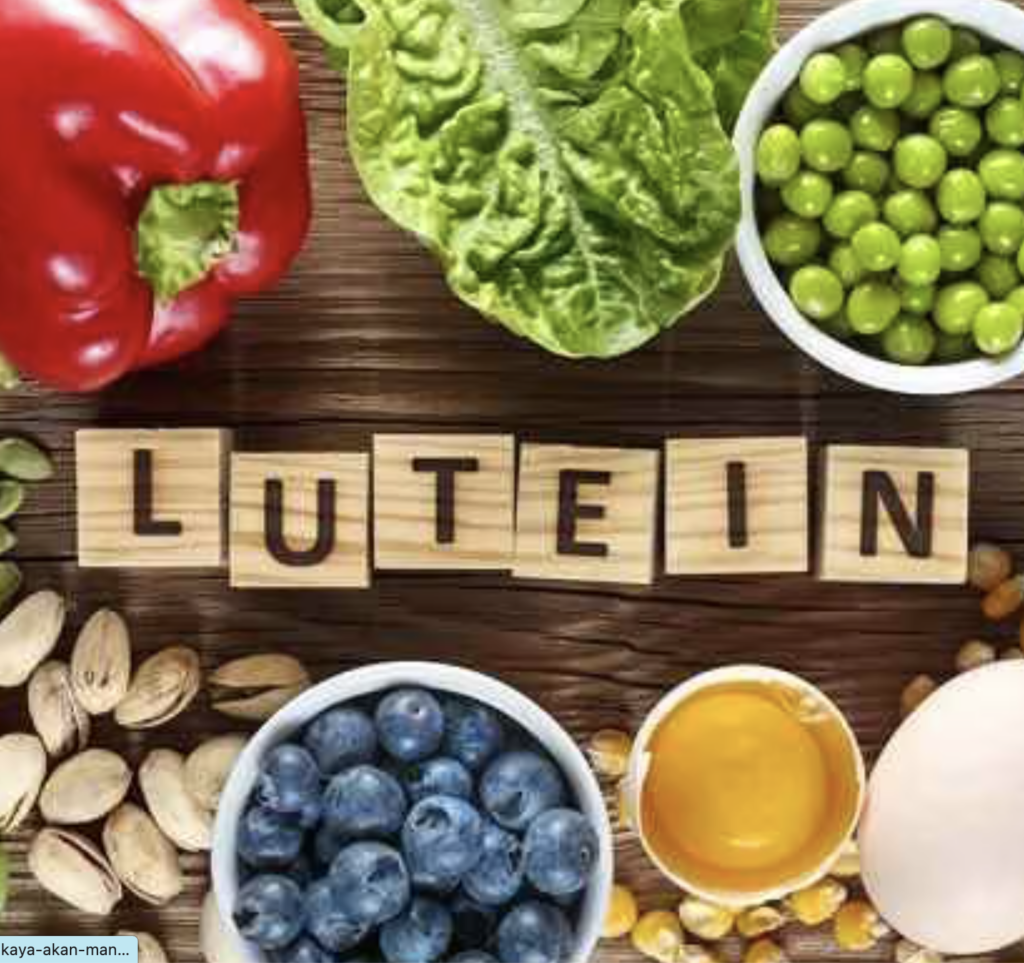
Lutein and zeaxanthin are carotenoids that have received considerable attention in eye-health research.
They are naturally present in the retina and are found in foods such as:
- Spinach
- Kale
- Broccoli
- Corn
- Peas
- Eggs
- Other green and yellow vegetables
These carotenoids are particularly interesting because they are found in relatively high concentrations in the macula.
Research involving the Age-Related Eye Disease Study 2, commonly known as AREDS2, examined lutein and zeaxanthin as part of a nutritional supplement formula for people at certain stages of age-related macular degeneration.
The National Eye Institute reports that the AREDS2 formulation containing lutein and zeaxanthin, vitamin C, vitamin E, zinc, and copper can reduce the risk of progression from intermediate to advanced age-related macular degeneration in appropriate patients.
Importantly, this does not mean that everyone should take an AREDS2 supplement. The formulation was developed for specific people with particular stages of AMD, and it is not a general multivitamin for preventing eye disease.
The National Eye Institute also notes that people with lower dietary intake of lutein and zeaxanthin appeared to benefit more from adding these nutrients to the AREDS formulation.
National Eye Institute — AREDS and AREDS2
Carrots and Vitamin A
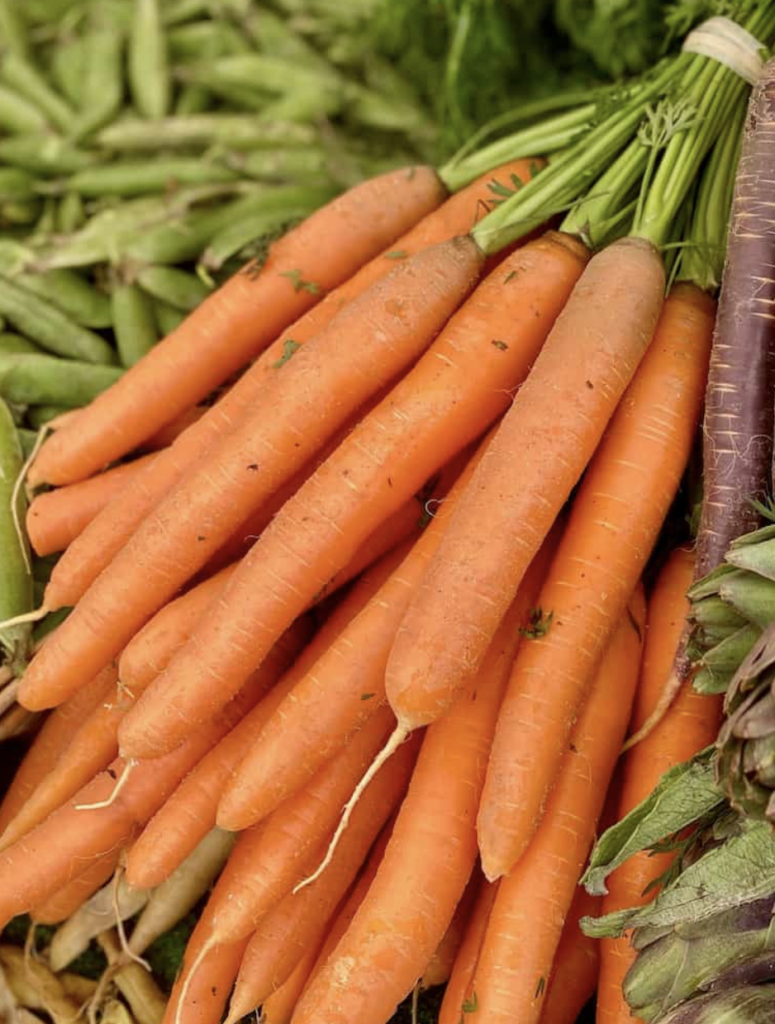
Carrots are probably one of the foods most strongly associated with eye health in popular culture.
There is a scientific reason behind this association. Carrots contain beta-carotene, which the body can convert into vitamin A.
Vitamin A is important for normal vision. Severe vitamin A deficiency can impair vision and cause serious eye problems.
However, this does not mean that eating very large amounts of carrots will continually improve vision in people who already consume enough vitamin A.
Carrots should therefore be viewed as one nutritious component of a balanced diet rather than a treatment for poor eyesight.
Other sources of provitamin A carotenoids include sweet potatoes, pumpkin, and certain dark green vegetables.
Sweet Potatoes and Pumpkin
Sweet potatoes and pumpkin are colorful vegetables that provide carotenoids and other nutrients.
Their orange color is partly associated with carotenoid pigments, including beta-carotene.
They can be incorporated into meals in many different ways, including roasted vegetables, soups, stews, salads, and side dishes.
Eating a variety of differently colored vegetables can help increase the range of nutrients in the diet.
Eggs and Eye Nutrition
Eggs provide protein as well as several micronutrients.
Egg yolks contain lutein and zeaxanthin, making eggs another food that can contribute to dietary intake of these carotenoids.
The amount of lutein and zeaxanthin in eggs can vary depending on factors such as the hens’ diet.
Eggs can also be an easy addition to a balanced breakfast or meal, particularly when combined with vegetables and whole grains.
For overall health, however, the way eggs are prepared matters as part of the broader dietary pattern. Eggs served with vegetables and whole grains represent a different nutritional pattern from highly processed meals containing large amounts of refined carbohydrates, sodium, and saturated fat.
Fatty Fish and Omega-3 Fatty Acids
Fatty fish such as salmon, sardines, mackerel, and trout provide omega-3 fatty acids, including EPA and DHA.
Omega-3 fatty acids are important components of normal cell structure and have been extensively studied in relation to cardiovascular and other aspects of health.
Fish can also provide high-quality protein, vitamin D, selenium, and other nutrients.
For this reason, fatty fish can be a valuable component of an overall healthy eating pattern.
Omega-3 and Eye Health
Omega-3 fatty acids have also been studied in relation to eye health and dry-eye symptoms.
However, evidence should not be overstated.
The large AREDS2 clinical trial tested whether adding omega-3 fatty acids to the AREDS supplement formulation would provide additional protection against progression to advanced AMD. The study did not find an overall additional effect on advanced AMD.
This is an important example of why promising nutritional mechanisms do not always translate into clear clinical benefits.
Eating fish as part of a healthy diet can still be beneficial for overall nutrition, but this should not be confused with evidence that omega-3 supplements prevent AMD.
Vitamin C and Eye Health
Vitamin C is an antioxidant nutrient found in many fruits and vegetables.
Good food sources include:
- Oranges
- Grapefruit
- Kiwi
- Strawberries
- Bell peppers
- Broccoli
- Tomatoes
Vitamin C contributes to normal collagen formation and several other physiological functions.
Instead of relying heavily on supplements, most people can obtain vitamin C through a varied diet containing fruits and vegetables.
Colorful meals can make it easier to obtain several different nutrients at the same time.
Vitamin E and Eye Health
Vitamin E is another antioxidant nutrient that has been investigated in relation to eye health.
Nuts, seeds, vegetable oils, and some green vegetables provide vitamin E.
Almonds, sunflower seeds, and other nuts and seeds can therefore be useful additions to a balanced diet.
However, more is not necessarily better. High-dose supplementation should not be undertaken simply because a nutrient is associated with antioxidant activity.
The amount and form of a supplement can matter, particularly when it is taken alongside medications or other supplements.
Zinc and Vision
Zinc is an essential mineral involved in numerous biological processes.
It is also important for normal eye function and has been studied extensively in the context of age-related macular degeneration.
Foods containing zinc include:
- Meat
- Shellfish
- Eggs
- Dairy products
- Beans
- Nuts
- Seeds
- Whole grains
Zinc is included in the AREDS and AREDS2 formulations used for certain people with AMD.
Again, these formulas should not be interpreted as general-purpose eye-health supplements. Their use depends on an individual’s eye condition and should be discussed with an eye-care professional.
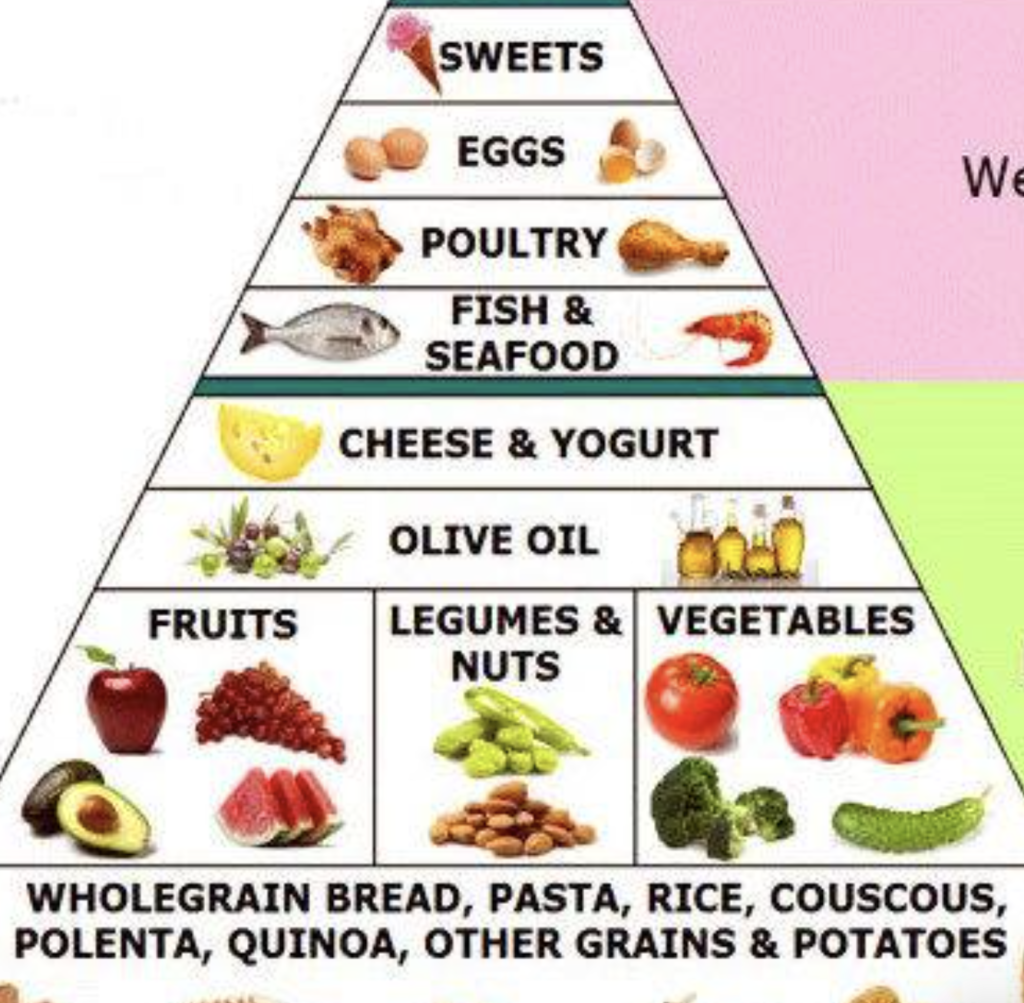
Mediterranean-Style Eating and Eye Health
Rather than focusing on individual foods, researchers have also examined broader dietary patterns.
A Mediterranean-style dietary pattern typically emphasizes:
- Vegetables
- Fruits
- Legumes
- Whole grains
- Nuts and seeds
- Fish
- Olive oil
- Moderate amounts of other animal foods
Such a dietary pattern provides a wide range of vitamins, minerals, carotenoids, fiber, healthy fats, and plant compounds.
It also encourages people to consume minimally processed foods more frequently while limiting excessive intake of highly processed foods.
This broader approach can be more practical than trying to identify one “superfood” for the eyes.
Food Versus Supplements
One of the most important questions about foods for eye health is whether supplements are necessary.
For many healthy people, a balanced diet should be the starting point.
Whole foods provide combinations of nutrients and other dietary components that may work together within an overall eating pattern.
Supplements can nevertheless have an important role in specific circumstances.
The AREDS and AREDS2 studies are a good example. These studies found that particular nutritional formulations can reduce the risk of progression to advanced AMD in certain people at elevated risk.
That does not mean that a high-dose eye supplement is appropriate for everyone.
Anyone considering an AREDS2 supplement should first determine whether they have the type and stage of AMD for which the formulation was studied.
Why the AREDS2 Research Matters
The AREDS and AREDS2 studies are among the most important large clinical trials in nutritional eye research.
The original AREDS involved 4,757 participants between 55 and 80 years of age. Researchers found that a specific combination of antioxidants and zinc reduced the risk of progression to advanced AMD among people at appropriate levels of risk.
AREDS2 subsequently involved 4,203 participants between 50 and 85 years of age.
AREDS2 investigated modifications to the original formula, including lutein and zeaxanthin and omega-3 fatty acids.
The findings helped establish that lutein and zeaxanthin could be used instead of beta-carotene in the AREDS2 formulation. This was particularly important because beta-carotene was associated with increased lung cancer risk in people who currently smoke or previously smoked.
The National Eye Institute provides detailed information about the studies and their clinical implications.
Learn more about AREDS and AREDS2 from the National Eye Institute
Healthy Aging and Eye Health
Eye health is closely connected with the broader process of healthy aging.
As people get older, the risk of several eye conditions increases. Age is also associated with changes in metabolism, cardiovascular health, muscle mass, and other aspects of physical function.
For this reason, a healthy-aging strategy should not focus exclusively on the eyes.
A balanced diet, regular exercise, sufficient sleep, avoiding tobacco, maintaining a healthy body weight, and managing cardiovascular risk factors can all contribute to long-term health.
The goal is not to find one food that protects every part of the body. The goal is to develop sustainable habits that support health over many years.
Eye Health and Blood Sugar

Blood glucose management is an important part of long-term health.
Persistently elevated blood glucose can affect blood vessels and tissues throughout the body, including the eyes.
People with diabetes therefore need appropriate medical care and regular eye examinations according to their healthcare provider’s recommendations.
A healthy eating pattern can support overall metabolic health, particularly when it emphasizes vegetables, whole grains, legumes, lean proteins, and minimally processed foods.
However, dietary advice should not replace prescribed diabetes treatment.
Eye Health and Blood Pressure
Blood pressure is another important factor in overall health.
High blood pressure can affect blood vessels throughout the body and may contribute to vascular complications involving the eyes.
Regular monitoring and appropriate medical management are therefore important.
Dietary patterns that emphasize vegetables, fruits, whole grains, legumes, nuts, fish, and other minimally processed foods can be part of an overall strategy for cardiovascular health.
Eye Health and Smoking
Smoking is an important modifiable risk factor for many health problems, including certain eye conditions.
For people who smoke, quitting can be substantially more important for long-term health than adding a single food or supplement to the diet.
Smoking status is also relevant when considering eye-health supplements.
The National Eye Institute specifically advises current and former smokers to avoid the beta-carotene-containing AREDS formulation because beta-carotene was associated with increased lung cancer risk in smokers.
This is one reason individualized medical advice is important when choosing nutritional supplements.
What About Korean Ginseng?
Korean ginseng, commonly referred to as Asian ginseng, is the root of Panax ginseng.
It has a long history of traditional use in East Asia, and its major bioactive compounds are known as ginsenosides.
Modern research has examined Asian ginseng in several areas, including fatigue, cognitive function, diabetes, cardiovascular health, and other aspects of health.
However, the evidence is not uniform.
The National Center for Complementary and Integrative Health notes that many clinical studies of Asian ginseng have been relatively small and short in duration. More research is needed to understand its potential benefits and long-term safety.
Importantly, Korean ginseng should not be described as a proven treatment for an eye disease.
There is currently no sound basis for replacing established eye-care practices or clinically indicated treatments with ginseng.
National Center for Complementary and Integrative Health — Asian Ginseng
What Is Velvet Antler?
Velvet antler is a traditional ingredient derived from the growing antler tissue of deer before the antler becomes fully hardened.
It has a long history of use in traditional medicine, particularly in East Asia.
Modern research has investigated deer velvet extracts and their possible biological effects.
However, the evidence is considerably more limited than the evidence supporting established nutritional approaches to eye health.
Much of the research has involved laboratory or animal studies, while human trials have generally been smaller and have investigated specific extracts, doses, and populations.
Therefore, findings from one velvet antler preparation should not automatically be applied to every product containing velvet antler.
What Does Research Say About Velvet Antler?

Human research on velvet antler has produced mixed results.
A systematic review of randomized controlled trials found that the evidence available at that time was insufficient to support broad claims about the health effects of deer velvet.
More recent research has examined specific enzyme-derived deer velvet extracts.
For example, a 2026 randomized, double-blind, placebo-controlled trial involving 100 adults with chronic fatigue investigated a specific enzyme-derived deer velvet extract for eight weeks. The researchers reported improvements in several fatigue-related outcomes and some exercise-related measures.
However, the study had important limitations. It lasted only eight weeks, involved a specific extract, and focused on adults with chronic fatigue. The findings cannot automatically be generalized to healthy adults or to every velvet antler product.
PubMed — 2026 randomized controlled trial of enzyme-derived deer velvet extract
Other recent human research has investigated immune-related biomarkers in healthy adults using a specific enzyme-digested deer velvet preparation. Although some biomarkers changed during the study, changes in laboratory biomarkers should not automatically be interpreted as proof that a supplement prevents infections or improves clinical health outcomes.
This distinction is important when evaluating supplements.
New Human Research on Deer Velvet and Fatigue
The recent fatigue study is interesting because it adds human clinical evidence to an area where much of the historical research has been preclinical.
The participants received a particular enzyme-derived deer velvet preparation for eight weeks.
The researchers reported improvements in several measures related to fatigue and exercise endurance, while the supplement was reported to be well tolerated during the study.
Nevertheless, one clinical trial does not establish that velvet antler is effective for fatigue in all people.
The extract, dosage, study duration, participant characteristics, and outcome measures all matter.
This is why consumers should look at the actual research rather than relying solely on general statements such as “deer velvet boosts energy” or “velvet antler improves health.”
Velvet Antler and Immune Function
Another recent human trial studied 120 healthy adults between 40 and 70 years old.
Participants received either a high or low dose of an enzymatically digested deer velvet extract or placebo for eight weeks.
The study reported increased natural killer cell activity and changes in some immune-related biomarkers.
These findings are scientifically interesting, but they should be interpreted carefully.
An increase in a biomarker does not necessarily demonstrate that a supplement prevents disease, reduces infections, or produces a meaningful long-term health benefit.
More research involving larger populations and longer follow-up would be needed to understand the practical significance of these findings.
Ginseng With Velvet Antler
Korean ginseng and velvet antler are sometimes combined in traditional and modern wellness products.
The combination may be attractive to consumers because both ingredients have a long history of traditional use and have been investigated for various aspects of general health.
However, combining two ingredients does not automatically establish that they have a particular clinical benefit.
In particular, there is not enough evidence to claim that ginseng with velvet antler prevents eye disease, improves eyesight, or replaces nutrients known to be important for eye health.
The more appropriate way to consider such products is as an optional component of a broader wellness routine.
Why Ginseng and Velvet Antler Are Often Combined
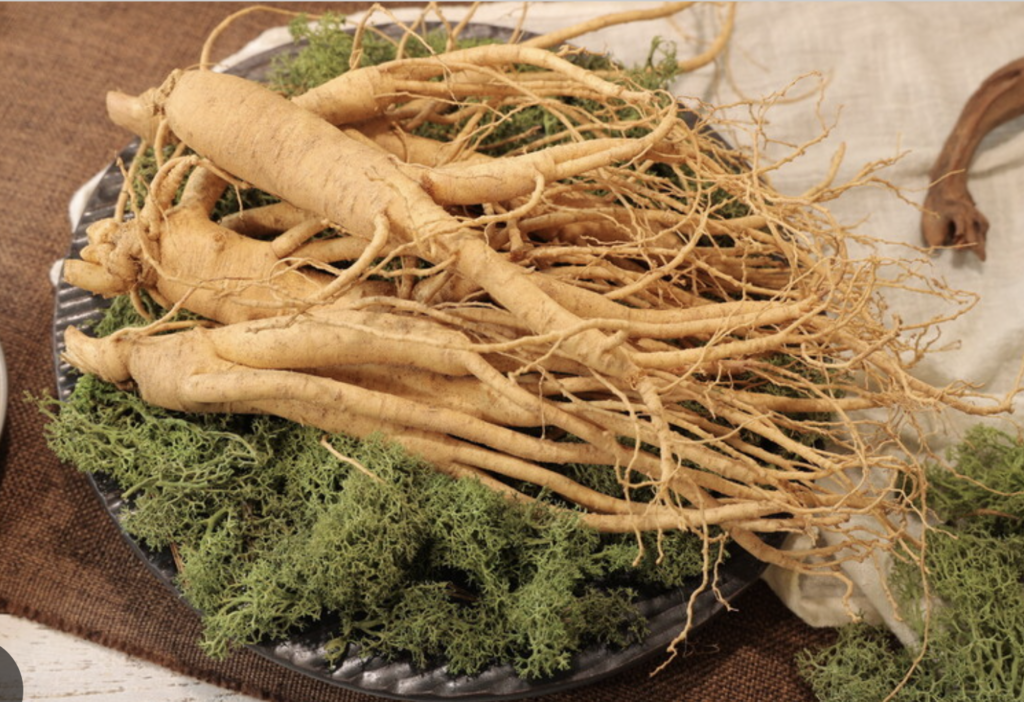
Ginseng and velvet antler have different histories of traditional use and different research profiles.
Asian ginseng research has focused substantially on ginsenosides and areas such as fatigue and cognitive function.
Velvet antler research has investigated peptides, proteins, minerals, and other components, with many studies still being preclinical.
Because of these differences, consumers should evaluate each ingredient separately rather than assuming that combining them creates a proven new effect.
A responsible approach is to distinguish traditional use, laboratory research, animal studies, observational research, and randomized human clinical trials.
Ginseng, Velvet Antler, and Healthy Aging
Healthy aging is a broad concept that includes physical activity, nutrition, sleep, cognitive health, cardiovascular health, social connections, and maintaining independence.
Ginseng with velvet antler can be considered by some adults as part of a personal wellness routine, but it should not replace the fundamentals of healthy aging.
A person interested in healthy aging should first establish consistent habits around:
- Eating a nutrient-rich diet
- Getting regular physical activity
- Sleeping adequately
- Avoiding tobacco
- Limiting excessive alcohol consumption
- Maintaining appropriate blood pressure
- Maintaining healthy blood glucose
- Attending recommended medical and eye examinations
Supplements can be considered after these fundamentals are addressed.
Ginseng With Velvet Antler and Eye Health
It is important to make a clear distinction between supporting general wellness and treating an eye condition.
Foods containing lutein, zeaxanthin, vitamins, minerals, and omega-3 fatty acids can contribute to a nutrient-rich diet.
AREDS2 supplements have also been studied for specific people with certain stages of AMD.
By contrast, ginseng with velvet antler has not been established as a treatment or preventive therapy for AMD, cataracts, glaucoma, dry eye disease, or other eye disorders.
Therefore, someone searching for foods for eye health should prioritize established nutritional principles rather than choosing a supplement based on claims that it directly improves eyesight.
Research on Asian ginseng has explored areas such as fatigue and cognitive function, although evidence varies. If you are interested in Korean ginseng with velvet antler as part of a broader wellness routine, you can explore the available selection here:
Ginseng With Velvet Antler — Seoul Ginseng
A Food-First Approach to Eye Health
A practical eye-health diet does not need to be complicated.
A typical day could include leafy green vegetables with lunch, colorful vegetables with dinner, fruit as a snack, eggs as a protein source, and fish several times per week.
Nuts and seeds can provide vitamin E, minerals, healthy fats, and protein.
Beans and whole grains can add fiber and additional micronutrients.
The objective is variety.
Instead of asking, “What one food is best for my eyes?” it can be more useful to ask, “How can I make my overall diet more nutrient-dense?”
This shift makes healthy eating more sustainable.
A Practical Healthy-Aging Routine
A simple long-term routine could include the following:
Breakfast: Eggs with leafy greens and whole-grain toast.
Lunch: A large salad containing leafy greens, colorful vegetables, beans, and a healthy source of fat.
Snack: Fruit with a small portion of nuts or seeds.
Dinner: Salmon or another fish with vegetables and whole grains.
Hydration: Drink enough fluids according to your individual needs and circumstances.
Lifestyle: Stay physically active, sleep adequately, avoid smoking, and maintain regular health and eye examinations.
This type of routine provides many of the nutrients associated with eye health while also supporting broader nutritional needs.
Can Ginseng Replace Eye-Health Nutrients?
No.
Korean ginseng should not be viewed as a substitute for vitamin A, lutein, zeaxanthin, vitamin C, vitamin E, zinc, or omega-3-rich foods.
Similarly, velvet antler should not be considered a replacement for a balanced diet.
Supplements and traditional ingredients occupy a different role from essential nutrients obtained through food.
If an eye-care professional recommends a specific nutritional formula, such as AREDS2 for an appropriate AMD patient, that recommendation should take priority over general supplement marketing.
Choosing a Ginseng With Velvet Antler Product
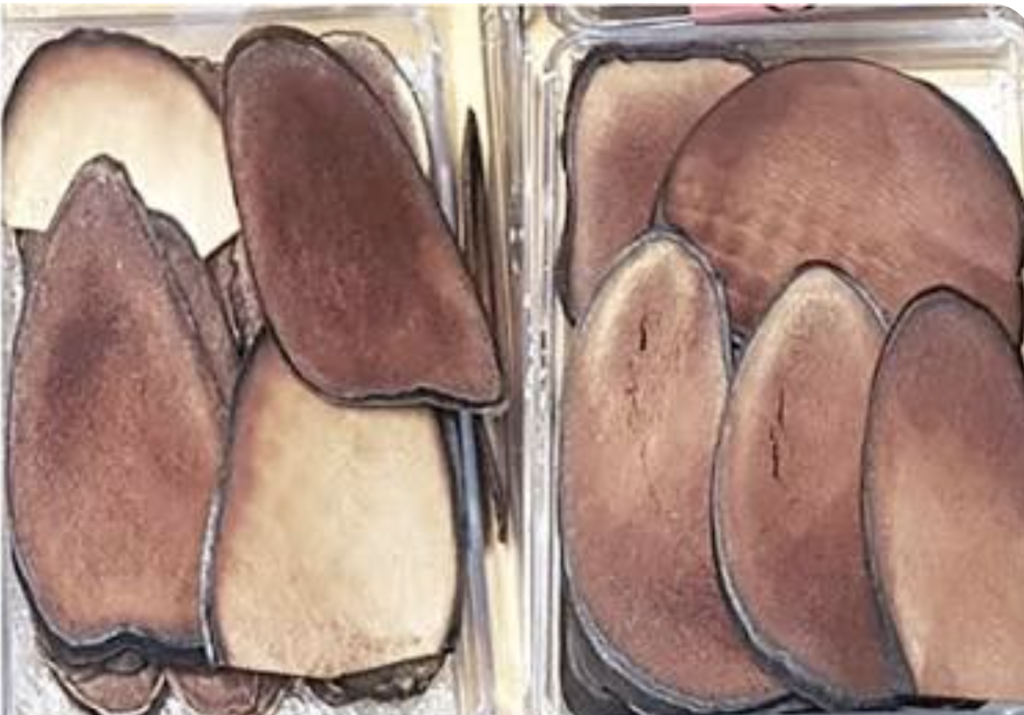
Consumers interested in ginseng with velvet antler should examine the product carefully.
Important considerations include:
- The identity of the ingredients
- The amount of each ingredient
- The source of the ginseng
- The type of velvet antler extract
- Manufacturing standards
- Quality-control procedures
- Expiration date
- Storage instructions
- Recommended serving size
- Potential medication interactions
It is also useful to avoid products that make broad claims about curing or preventing diseases.
A trustworthy supplement description should clearly distinguish traditional use from evidence supported by modern clinical research.
Exploring Ginseng With Velvet Antler as a Wellness Option
For people who already maintain a balanced diet and healthy lifestyle, ginseng with velvet antler may be something they choose to include in a personal wellness routine.
The key is to keep expectations realistic.
The available evidence does not establish ginseng with velvet antler as an eye-health treatment. Instead, the ingredients can be considered in the broader context of traditional use, emerging research, and general wellness.
For anyone interested in Korean-origin products, it is also useful to consider the product’s manufacturing information, ingredient transparency, quality standards, and recommended use.
Safety Considerations for Korean Ginseng
Asian ginseng appears to be reasonably safe for most adults when used orally for up to six months at recommended amounts, according to the National Center for Complementary and Integrative Health.
However, long-term safety is less well established.
Insomnia is one of the more common side effects. Rare but potentially serious reactions can include severe rash, liver damage, and serious allergic reactions.
Ginseng may also affect blood sugar and blood clotting and may interact with certain medications.
People taking medications for diabetes, blood pressure, cholesterol, depression, blood clotting, or other chronic conditions should discuss ginseng use with a qualified healthcare professional.
Pregnant or breastfeeding individuals should also seek professional advice before using ginseng because safety information is limited.
Safety Considerations for Velvet Antler
Velvet antler products vary considerably.
Different products can contain different extracts, concentrations, processing methods, and additional ingredients.
Human clinical studies have generally been limited in duration, so long-term safety data are less extensive than for many conventional foods.
Consumers should therefore follow the manufacturer’s recommended serving and avoid assuming that higher doses provide greater benefits.
Anyone with a medical condition or anyone taking prescription medication should discuss supplement use with a healthcare professional.
When to Seek Professional Eye Care
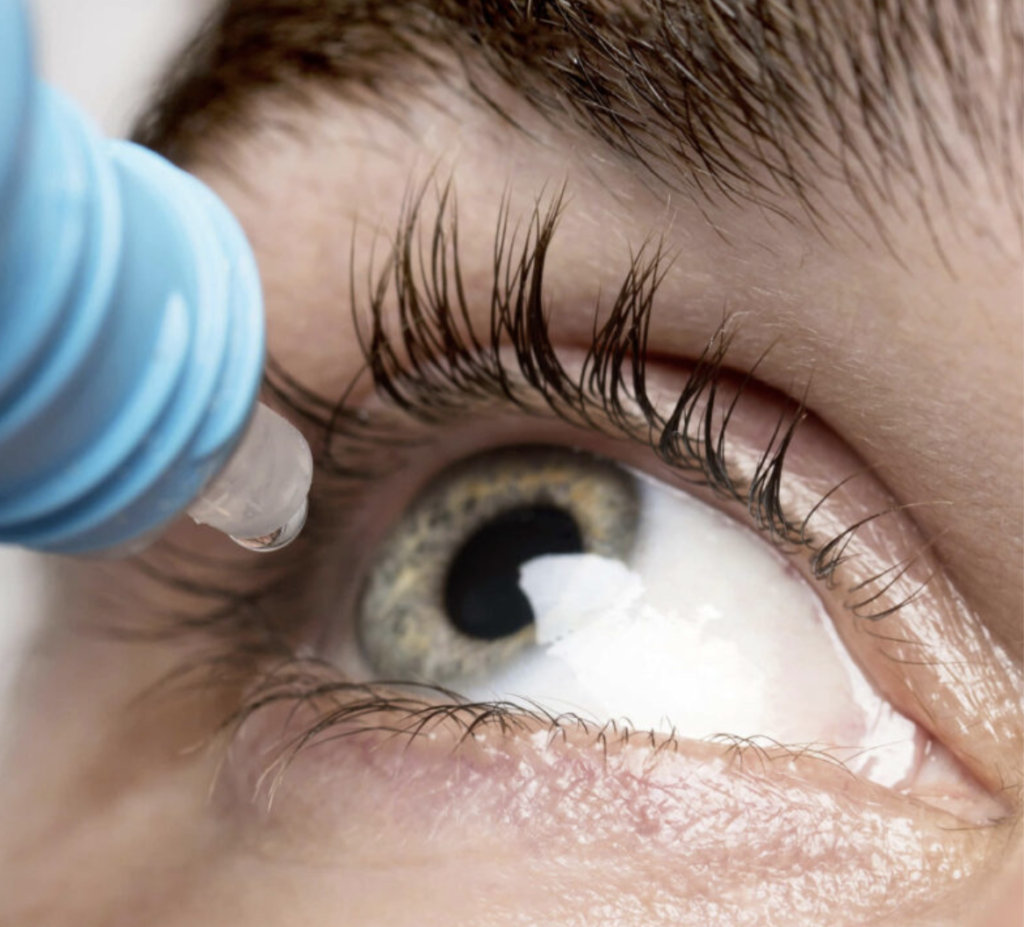
Nutrition is important, but it cannot replace eye examinations.
Seek professional eye care if you experience symptoms such as:
- Sudden changes in vision
- Sudden loss of vision
- New flashes of light
- A sudden increase in floaters
- A dark curtain or shadow across your vision
- Persistent eye pain
- Significant redness or swelling
- New or worsening distortion of straight lines
Some eye problems can progress without obvious symptoms, which is another reason routine eye examinations can be important, particularly as people get older or when risk factors are present.
The Bigger Picture: Nutrition, Ginseng, and Healthy Aging
The search for foods for eye health is ultimately part of a larger question: how can we maintain health as we get older?
The answer is unlikely to be one food, one vitamin, or one supplement.
A better strategy is to build a consistent lifestyle around nutritious foods, physical activity, sufficient sleep, preventive healthcare, and avoidance of major risk factors such as smoking.
Leafy green vegetables can provide lutein and zeaxanthin.
Colorful fruits and vegetables can provide vitamin C and carotenoids.
Nuts and seeds can provide vitamin E and minerals.
Fish can provide omega-3 fatty acids and protein.
Eggs can provide protein and dietary lutein and zeaxanthin.
Together, these foods create a nutritional foundation that is much more meaningful than relying on a single ingredient.
Ginseng and velvet antler can be considered separately as optional wellness ingredients, but the current evidence does not justify presenting them as substitutes for established eye-health nutrition or medical care.
What the Latest Research Really Tells Us
Research into nutrition and eye health provides several useful lessons.
First, dietary patterns matter. Eating a broad range of nutrient-rich foods is generally more practical than focusing on isolated “superfoods.”
Second, some nutrients have stronger evidence than others in specific clinical settings. The AREDS and AREDS2 trials provide particularly important evidence for certain people with age-related macular degeneration.
Third, supplements should be matched to the person and the clinical situation. A supplement that has been studied for a specific eye condition should not automatically be marketed as beneficial for everyone.
Fourth, research on traditional ingredients such as Asian ginseng and velvet antler continues to develop. Some human studies have reported interesting findings, but limitations in sample size, duration, extracts, and populations mean that many claims remain uncertain.
Finally, healthy aging is a long-term process.
There is no need to search for one miraculous food or supplement. A consistent diet, healthy lifestyle, preventive care, and appropriate medical guidance provide a more reliable foundation.
Final Thoughts
The best foods for eye health are not necessarily exotic or expensive. Leafy greens, eggs, colorful vegetables, fruit, fish, nuts, seeds, legumes, and whole grains can provide many nutrients involved in maintaining overall health and normal eye function.
Lutein and zeaxanthin are especially notable because they are concentrated in the retina and have been studied extensive
🇰🇷 Premium Korean Ginseng Online Shop | SeoulGinseng.com
We’re a Korea-based online shop dedicated to authentic, premium Korean ginseng
Boost your health naturally with premium Korean ginseng!
🇰🇷 All orders are shipped directly from Korea with free worldwide shipping.
🎁 10% OFF Your Order — Use Code: SAVE10 — Limited to the First 3 Orders Each Day!