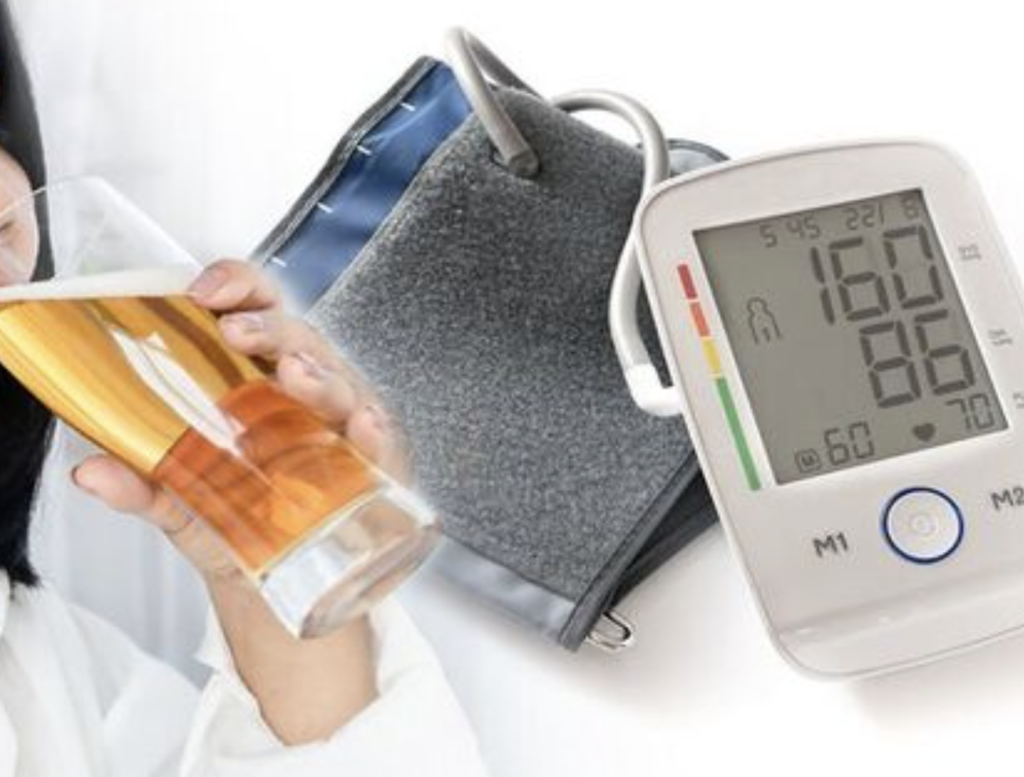
Alcohol and blood pressure are closely connected, and recent research has provided increasingly consistent evidence that regular alcohol consumption can contribute to higher blood pressure and a greater risk of developing hypertension. The relationship is influenced by the amount of alcohol consumed, drinking patterns, individual characteristics, and other lifestyle factors.
For many years, the relationship between alcohol and cardiovascular health was considered complicated. Some observational studies suggested that people who consumed small or moderate amounts of alcohol sometimes had lower rates of certain cardiovascular outcomes than people who did not drink. However, more recent research has raised important questions about whether those apparent benefits were caused by alcohol itself or were partly explained by differences in lifestyle, socioeconomic circumstances, diet, physical activity, healthcare access, and other factors.
Current evidence is particularly consistent regarding blood pressure. Recent systematic reviews, dose-response analyses, and clinical guidelines indicate that increasing alcohol consumption is generally associated with increasing blood pressure and a higher risk of hypertension. The 2025 American Heart Association and American College of Cardiology hypertension guideline specifically identifies alcohol reduction or elimination as an important lifestyle strategy for preventing and managing elevated blood pressure and hypertension.
A 2024 systematic review and dose-response meta-analysis involving 23 prospective cohort studies found an almost linear positive association between alcohol intake and the risk of developing hypertension. The researchers reported progressively higher hypertension risk as average daily alcohol consumption increased. (PubMed)
This article examines the current evidence concerning alcohol and blood pressure, explains how alcohol may affect blood-pressure regulation, discusses the relationship between drinking and hypertension, and reviews what research shows about reducing alcohol intake.
Korean wild ginseng can also be considered as part of a healthy lifestyle focused on overall wellness and cardiovascular health. If you are interested in exploring premium Korean wild ginseng products, you can view the available selection of Korean Wild Ginseng.
Understanding Blood Pressure and Hypertension
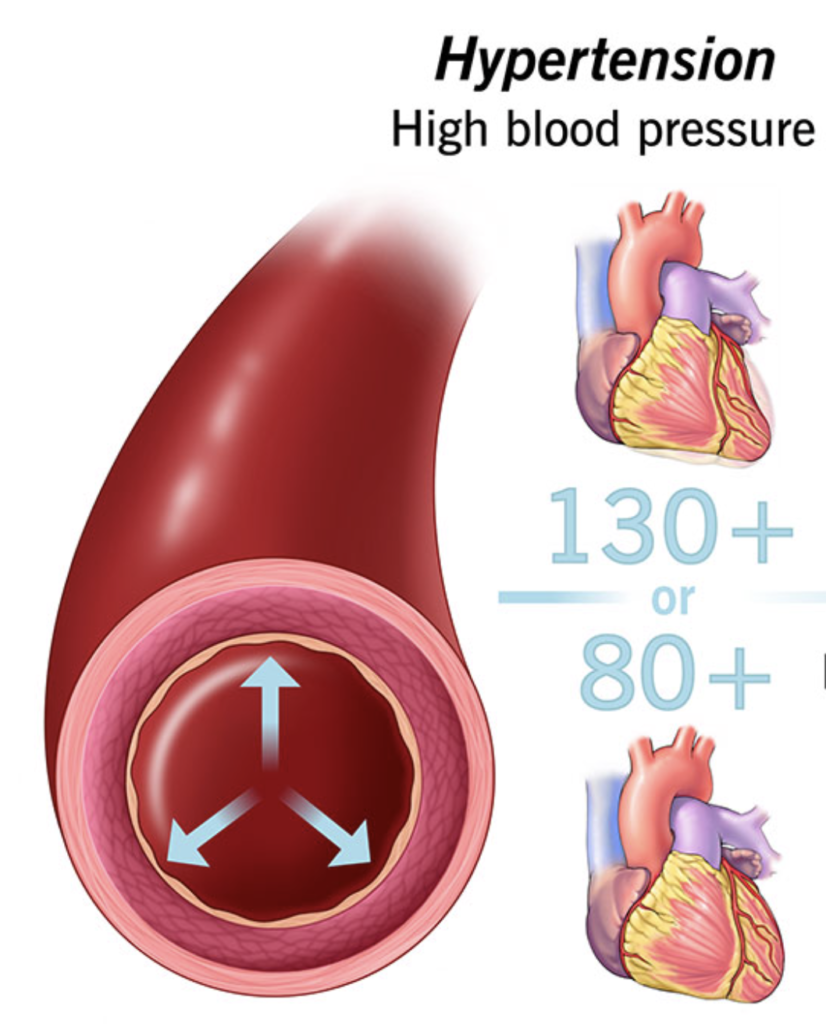
Blood pressure is the force exerted by circulating blood against the walls of the arteries. It is expressed using two measurements: systolic blood pressure and diastolic blood pressure.
Systolic blood pressure is the pressure in the arteries when the heart contracts and pumps blood. Diastolic blood pressure is the pressure between heartbeats when the heart relaxes.
Blood pressure naturally changes throughout the day. Physical activity, stress, sleep, food intake, caffeine, medications, body position, and other factors can temporarily influence measurements.
Hypertension is different from a temporary rise in blood pressure. It refers to persistently elevated blood pressure that increases the long-term risk of cardiovascular and other health problems.
The 2025 AHA/ACC hypertension guideline classifies normal blood pressure as below 120/80 mmHg, elevated blood pressure as 120–129 mmHg systolic with diastolic pressure below 80 mmHg, stage 1 hypertension as 130–139 mmHg systolic or 80–89 mmHg diastolic, and stage 2 hypertension as at least 140 mmHg systolic or 90 mmHg diastolic. (AhA Journals)
Because blood pressure can fluctuate considerably, a single reading does not necessarily provide a complete picture of a person’s usual blood pressure. Repeated measurements taken correctly over time are generally more informative.
Alcohol and Blood Pressure: What Does the Research Show?
The evidence linking alcohol consumption with blood pressure has become stronger as researchers have accumulated more prospective studies and conducted dose-response analyses.
A 2023 systematic review and dose-response meta-analysis published in Hypertension examined longitudinal studies of alcohol intake and changes in blood pressure. The analysis found a substantially linear positive association between baseline alcohol consumption and subsequent changes in both systolic and diastolic blood pressure. (PubMed)
The findings are important because they indicate that the relationship is not simply limited to people with very high alcohol consumption.
In the analysis, compared with an average alcohol intake of approximately 12 grams per day, average systolic blood pressure was estimated to be about 1.25 mmHg higher at 12 grams per day and approximately 4.90 mmHg higher at 48 grams per day. Diastolic blood pressure also increased as alcohol exposure increased.
These are population-level estimates rather than predictions for a particular person. An individual’s response can be different depending on age, sex, genetics, body weight, diet, physical activity, kidney function, medications, and other factors.
Nevertheless, the overall pattern is consistent: higher alcohol exposure tends to be accompanied by higher blood pressure.
Does Alcohol Raise Blood Pressure?
Yes. Current evidence indicates that alcohol consumption can raise blood pressure, particularly with regular or higher levels of intake.
However, the immediate effects of drinking and the long-term effects of habitual alcohol consumption should be distinguished.
Blood pressure can change temporarily after alcohol consumption, but the more important concern for hypertension is the long-term pattern of alcohol exposure.
Repeated alcohol consumption can influence several physiological systems involved in blood-pressure regulation. These include the nervous system, blood vessels, hormonal pathways, fluid balance, sleep, body weight, and metabolic health.
The 2025 AHA/ACC hypertension guideline states that intake of any alcohol is associated with higher systolic blood pressure in a dose-response manner, including among people who do not already have hypertension. (AhA Journals)
This does not mean that every person who drinks alcohol will develop hypertension. Instead, it means that alcohol consumption is one modifiable factor associated with population-level increases in blood pressure and hypertension risk.
Alcohol and Hypertension Risk
One of the most important recent studies is the 2024 systematic review and dose-response meta-analysis examining alcohol intake and incident hypertension.
Researchers reviewed the available prospective cohort evidence through February 2024 and identified 23 eligible studies. They found a positive and almost linear association between alcohol consumption and the risk of developing hypertension. (PubMed)
Using 12 grams of alcohol per day as the reference level, the estimated relative risks for developing hypertension were:
- 0 grams per day: RR 0.89
- 24 grams per day: RR 1.11
- 36 grams per day: RR 1.22
- 48 grams per day: RR 1.33
These figures should not be interpreted as exact individual probabilities. Relative risks from a meta-analysis describe differences in risk between exposure levels across study populations.
The important finding is the overall dose-response relationship. As alcohol intake increased, the risk of developing hypertension also increased.
The researchers found that the association was approximately linear across the exposure range in men. In women, the association was more apparent above approximately 12 grams per day and became steeper at higher levels of consumption. The analysis also identified differences among population groups. (PubMed)
This evidence is consistent with the broader conclusion that alcohol is an important modifiable risk factor for hypertension.
Alcohol Intake and Blood Pressure: Why Amount Matters
The amount of alcohol consumed is one of the most important considerations.
Alcohol is often measured in grams of ethanol in research studies because beverage sizes differ substantially. A “drink” can also mean different quantities in different countries.
The 2025 U.S. hypertension guideline defines one standard drink as approximately 12–14 grams of alcohol. This is roughly equivalent to:
- 12 ounces of beer containing about 5% alcohol
- 5 ounces of wine containing about 12% alcohol
- 1.5 ounces of distilled spirits containing about 40% alcohol
Real-world servings can contain considerably more alcohol than these standard amounts. A large wine glass, strong beer, or cocktail containing several shots of spirits may represent more than one standard drink. (AhA Journals)
Consequently, people who count beverages without considering serving size and alcohol concentration may underestimate their actual alcohol intake.
Why dose-response matters
A dose-response relationship means that the magnitude of an exposure is related to the magnitude of an outcome.
In the case of alcohol and blood pressure, research generally shows that greater alcohol exposure is associated with greater increases in blood pressure.
The 2023 meta-analysis found no clear threshold below which systolic blood pressure was completely unaffected by alcohol consumption. (PubMed)
This is an important distinction from the older idea that there is necessarily a completely risk-free level of alcohol consumption for blood pressure.
How Alcohol Affects Blood Pressure
Alcohol can influence blood pressure through several interacting mechanisms rather than through a single pathway.
Effects on the nervous system
Alcohol can affect the autonomic nervous system, including sympathetic nervous system activity.
The sympathetic nervous system helps regulate heart rate, vascular tone, and blood pressure. Changes in sympathetic activity can contribute to increases in cardiovascular stimulation and blood pressure.
Repeated alcohol exposure may therefore contribute to persistent changes in blood-pressure regulation.
Korean wild ginseng can also be considered as part of a healthy lifestyle focused on overall wellness and cardiovascular health. If you are interested in exploring premium Korean wild ginseng products, you can view the available selection of Korean Wild Ginseng.
Effects on blood vessels
Blood vessels continuously change their diameter to regulate blood flow and pressure.
Alcohol can affect vascular function and the mechanisms responsible for controlling vascular tone. The exact response can depend on the amount and timing of alcohol exposure.
Over the long term, repeated exposure may contribute to unfavorable changes in vascular regulation.
Effects on hormonal regulation
Blood pressure is controlled partly through hormonal systems that regulate blood-vessel constriction, sodium, and water balance.
Alcohol can influence these systems, including pathways involved in fluid and blood-pressure regulation.
The interaction between alcohol, hormones, the nervous system, and vascular function helps explain why the effects of regular drinking may extend beyond the immediate period after consumption.
Effects on sleep
Alcohol can alter sleep patterns.
Although some people feel sleepy after drinking, alcohol can interfere with normal sleep architecture and reduce sleep quality, particularly later in the night.
Poor sleep is itself associated with cardiovascular risk and can make healthy blood-pressure management more difficult.
Effects on body weight and calorie intake
Alcohol provides calories, and regular consumption can contribute to excess energy intake.
Alcohol may also be consumed together with calorie-dense foods, late-night meals, or other behaviors that contribute to weight gain.
Excess body weight is an important risk factor for hypertension. Therefore, alcohol may influence blood pressure indirectly through its effects on energy balance and body composition.
Alcohol and High Blood Pressure
For people who already have high blood pressure, alcohol intake deserves particular attention.
Hypertension often produces no obvious symptoms. A person can have significantly elevated blood pressure while feeling completely normal.
This means that someone cannot reliably determine whether alcohol is affecting their blood pressure based on how they feel.
Regular alcohol consumption may contribute to difficulty controlling blood pressure, particularly at higher levels of intake.
The 2025 AHA/ACC guideline recommends that adults with or without hypertension who currently consume alcohol pursue abstinence as the recommended goal, or at least reduce consumption to no more than one drink per day for women and two drinks per day for men. (AhA Journals)
These limits are not a statement that every person who drinks within those amounts will develop hypertension. They represent a guideline-based approach to reducing blood-pressure and health risks.
For people with hypertension, the appropriate amount of alcohol may also depend on medications, other medical conditions, age, pregnancy status, history of alcohol dependence, and overall cardiovascular risk.
Drinking Alcohol With High Blood Pressure
People with hypertension should consider several factors when evaluating alcohol consumption.
Alcohol may make blood-pressure management more difficult
Regular drinking can interact with other lifestyle factors that influence blood pressure.
These can include:
- Excess calorie intake
- Weight gain
- Poor sleep
- Reduced physical activity
- Higher intake of salty or calorie-dense foods
- Changes in stress and coping behaviors
- Irregular medication routines
The overall lifestyle pattern may therefore be more important than any single drink.
Alcohol can interact with medications
Some antihypertensive medications and other prescription medicines can interact with alcohol.
Depending on the medication, alcohol may increase dizziness, sedation, orthostatic hypotension, or other adverse effects.
People taking blood-pressure medication should therefore discuss alcohol consumption with a healthcare professional rather than assuming that alcohol is harmless because it does not immediately produce noticeable symptoms.
Heavy drinking deserves particular attention
Large quantities of alcohol consumed over a short period can produce substantial cardiovascular stress.
Heavy and binge drinking have been associated with several cardiovascular problems, including hypertension, stroke, abnormal heart rhythms, cardiomyopathy, and heart failure.
For this reason, avoiding heavy drinking episodes is an important component of cardiovascular risk reduction.
Reducing Alcohol and Blood Pressure
One of the most useful questions is whether reducing alcohol intake can actually lower blood pressure.
Research suggests that it can, particularly among people who consume larger amounts.
A systematic review and meta-analysis published in The Lancet Public Health included 36 trials involving 2,865 participants. Researchers examined the relationship between reductions in alcohol consumption and changes in blood pressure. (PubMed)
Among people who consumed two or fewer drinks per day, reducing alcohol intake was not associated with a statistically significant reduction in blood pressure.
However, among people who consumed more than two drinks per day, reducing alcohol intake was associated with progressively greater reductions in blood pressure.
The largest effect was observed among people consuming six or more drinks per day who reduced their intake by approximately 50%. In this group, systolic blood pressure decreased by approximately 5.5 mmHg and diastolic blood pressure decreased by approximately 4.0 mmHg on average. (PubMed)
This dose-dependent finding is particularly important.
It suggests that alcohol reduction may have the greatest blood-pressure benefit among people who consume larger amounts, rather than producing an identical effect in everyone.
The 2025 AHA/ACC guideline incorporates this evidence and reports an expected average blood-pressure reduction of approximately 4–6 mmHg systolic and about 3 mmHg diastolic with appropriate alcohol reduction. (AhA Journals)
Individual results can be smaller or larger.
What Happens When Heavy Drinkers Reduce Alcohol?
The evidence is particularly relevant to people who consume substantial amounts of alcohol.
In the intervention literature, greater baseline alcohol consumption has generally been associated with greater blood-pressure reductions after alcohol intake is reduced.
The 2025 hypertension guideline reports that among individuals consuming six or more drinks per day who reduced their intake by approximately 50%, average blood pressure decreased by about 5.5/4.0 mmHg. Reductions were also observed among people drinking three to five drinks per day, although they were smaller. At two or fewer drinks per day, the cited trials did not show a significant blood-pressure reduction from further reduction. (AhA Journals)
This does not mean that reducing lower levels of alcohol consumption has no health value. Alcohol reduction may provide benefits beyond blood pressure, and the overall risk associated with alcohol depends on many factors.
Rather, the evidence indicates that the blood-pressure response is particularly noticeable among heavier drinkers.
Alcohol Consumption and Hypertension: Is There a Safe Threshold?
It is tempting to ask whether there is a specific amount of alcohol that can be considered completely safe for blood pressure.
Research does not support a simple universal threshold.
The 2023 dose-response analysis found a positive relationship between baseline alcohol intake and subsequent blood-pressure changes and did not identify a clear threshold for systolic blood pressure. (PubMed)
The 2024 hypertension-risk meta-analysis likewise found an almost linear association between alcohol intake and incident hypertension. (PubMed)
However, a population-level dose-response relationship should not be interpreted as meaning that every individual who consumes alcohol will experience a measurable rise in blood pressure.
Human biology varies considerably.
Genetics, age, sex, body composition, diet, physical activity, kidney health, medications, smoking, sleep, and other factors all influence blood pressure.
Therefore, the most scientifically accurate statement is that lower alcohol exposure generally corresponds to lower alcohol-related blood-pressure risk at the population level, while individual responses vary.
What About Moderate Alcohol Consumption?
The question of moderate drinking and cardiovascular health has received considerable attention.
Some older observational studies reported that moderate drinkers appeared to have lower rates of certain cardiovascular outcomes than abstainers.
However, observational associations do not necessarily prove that alcohol caused the apparent benefit.
Moderate drinkers may differ from abstainers in many important ways. They may have different diets, income levels, education, social circumstances, exercise patterns, smoking habits, healthcare access, and other health behaviors.
Another methodological concern is that former drinkers may sometimes be grouped with lifelong abstainers. People who stopped drinking because of health problems may therefore make the abstainer group appear less healthy.
The 2025 hypertension guideline specifically notes that earlier observational research suggesting health benefits from moderate alcohol intake may have been partly confounded by favorable health factors and socioeconomic position and may also be offset by other health risks. (AhA Journals)
For this reason, alcohol should not be started as a strategy to lower blood pressure or improve cardiovascular health.
Alcohol and Cardiovascular Health Beyond Blood Pressure
Blood pressure is only one part of the relationship between alcohol and cardiovascular health.
High alcohol consumption has been associated with multiple cardiovascular outcomes, including hypertension, stroke, cardiac arrhythmias, cardiomyopathy, and heart failure.
This broader context is important because a decision about alcohol consumption should not be based exclusively on whether a particular amount changes systolic or diastolic blood pressure.
Reducing excessive alcohol consumption may affect several aspects of health simultaneously.
For example, a person who drinks heavily and subsequently reduces alcohol intake may experience improvements in sleep, calorie intake, weight management, blood pressure, and other aspects of health.
The magnitude and timing of these changes vary among individuals.
Alcohol and Blood Pressure in Men and Women
Research suggests that sex can modify the relationship between alcohol and hypertension.
The 2024 systematic review found an approximately linear association between alcohol consumption and hypertension risk in men across the exposure range studied.
In women, the association was more evident above approximately 12 grams per day and became steeper at higher levels of consumption. (PubMed)
These findings do not mean that one sex is universally protected from alcohol-related cardiovascular effects.
Rather, they demonstrate that biological responses to alcohol can differ between populations and individuals.
Differences in body composition, alcohol metabolism, hormones, drinking patterns, and other biological and behavioral factors may contribute to variations in observed associations.
Alcohol, Blood Pressure, and Different Drinking Patterns
The amount of alcohol consumed is important, but drinking pattern also matters.
Someone who consumes a small amount occasionally has a different exposure pattern from someone who consumes the same weekly quantity in a single heavy drinking session.
Binge drinking can result in rapid exposure to a large amount of alcohol and may place considerable stress on the cardiovascular system.
Regular heavy drinking can also produce repeated physiological exposure.
Therefore, evaluating alcohol consumption solely by weekly totals may not fully describe an individual’s drinking pattern.
A complete assessment should consider:
- Total alcohol consumed
- Number of drinking days
- Amount consumed per occasion
- Frequency of heavy drinking episodes
- Beverage strength
- Serving size
- Duration of the drinking pattern
- Other cardiovascular risk factors
How Much Is One Standard Drink?
Understanding standard drinks is important because beverage servings are often larger than people realize.
Under the 2025 AHA/ACC guideline, one standard drink contains approximately 12–14 grams of alcohol.
Examples include approximately:
Beer: 12 ounces at 5% alcohol.
Wine: 5 ounces at 12% alcohol.
Distilled spirits: 1.5 ounces at 40% alcohol.
These are approximate examples rather than universal serving sizes.
A large restaurant pour or a high-alcohol craft beer may contain substantially more alcohol than one standard drink.
Cocktails can also contain more than one standard drink depending on how much distilled alcohol they contain.
Understanding this distinction can make alcohol tracking considerably more accurate.
Practical Ways to Reduce Alcohol Intake
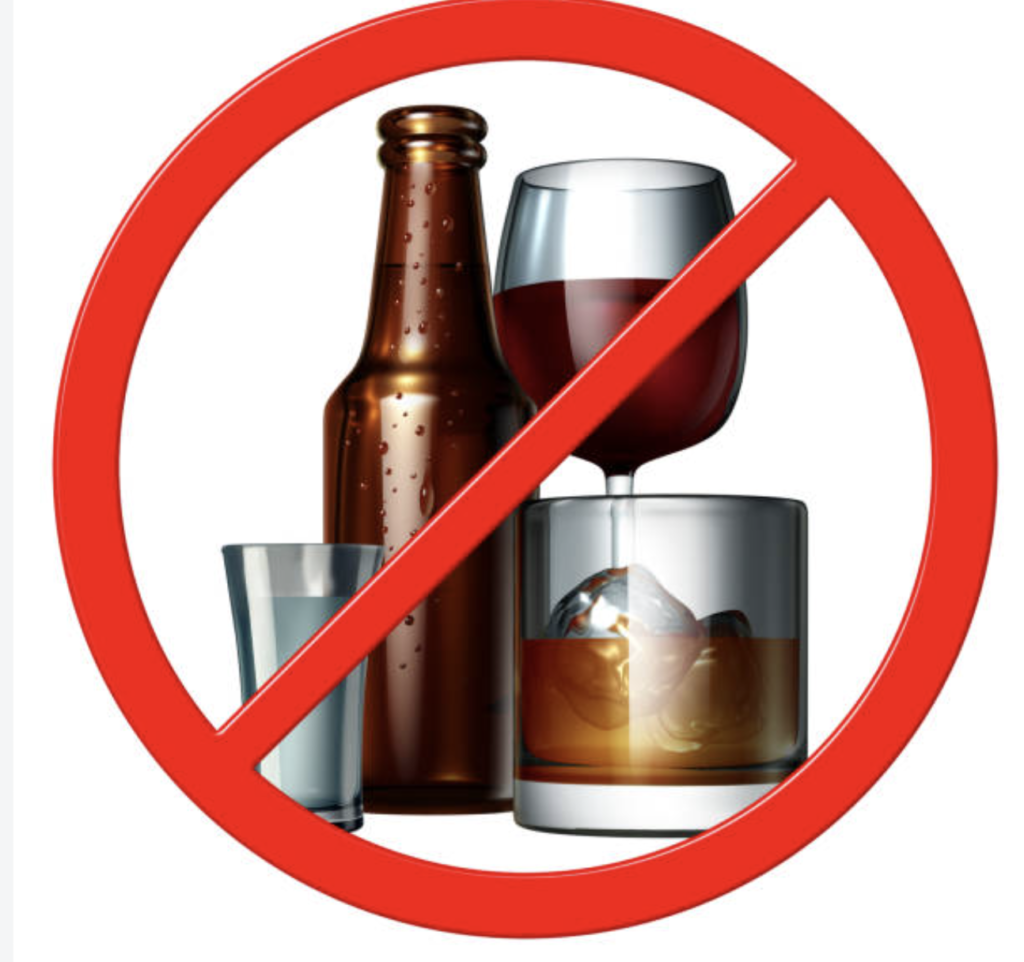
For people who want to reduce alcohol consumption, gradual changes in daily routines can be useful.
Measure actual intake
Keeping a record of drinks can reveal how much alcohol is actually being consumed.
It can also help identify situations in which drinking tends to occur.
Pay attention to serving sizes
Large glasses and strong beverages can contain more alcohol than expected.
Learning to estimate standard drinks can make tracking more accurate.
Identify drinking triggers
Common triggers may include stress, social events, boredom, loneliness, celebrations, habit, or particular locations.
Recognizing these patterns can make it easier to develop alternative routines.
Establish alcohol-free days
Some people find it useful to establish specific alcohol-free days during the week.
This can help break habitual patterns and make overall consumption easier to monitor.
Avoid binge drinking
Reducing the number of drinks consumed during a single occasion can be particularly important.
Large quantities consumed rapidly can create substantial short-term cardiovascular and other health risks.
Replace the routine
Replacing alcohol with another activity can help address the behavioral component of drinking.
Examples include walking, exercise, sparkling water, unsweetened tea, hobbies, reading, or social activities that do not center around alcohol.
Seek professional support when needed
People who drink heavily or have physical dependence on alcohol should not necessarily stop suddenly without medical guidance.
Alcohol withdrawal can be dangerous and, in severe cases, can result in seizures, delirium, or other medical emergencies.
Anyone who may be physically dependent on alcohol should speak with a qualified healthcare professional before making a major change in consumption.
Alcohol Reduction as Part of a Broader Blood-Pressure Strategy
Reducing alcohol can be useful, but it should not be viewed as the only way to improve blood pressure.
The 2025 AHA/ACC guideline recommends a comprehensive lifestyle approach that includes a heart-healthy eating pattern, sodium reduction, adequate potassium intake, physical activity, healthy weight management, stress management, and alcohol reduction or elimination. (AhA Journals)
Important lifestyle measures include:
- Following a heart-healthy eating pattern such as DASH
- Reducing dietary sodium
- Eating an appropriate amount of potassium-rich foods
- Engaging in regular aerobic activity
- Performing resistance exercise
- Achieving or maintaining a healthy body weight
- Managing stress
- Getting adequate sleep
- Avoiding tobacco
- Reducing or eliminating alcohol when appropriate
These factors can interact.
For example, reducing alcohol may make it easier to manage calorie intake and body weight. Better sleep may make regular exercise easier. A healthier diet may improve several cardiovascular risk factors simultaneously.
Blood-pressure management is therefore most effective when considered as a complete health strategy rather than a single intervention.
Frequently Asked Questions About Alcohol and Blood Pressure
Does alcohol raise blood pressure?
Yes. Current evidence shows that alcohol consumption is associated with higher blood pressure, and the relationship generally becomes stronger as alcohol intake increases. The 2025 AHA/ACC guideline specifically describes a dose-response association between alcohol intake and systolic blood pressure. (AhA Journals)
Can alcohol cause high blood pressure?
Alcohol can contribute to the development of hypertension. A 2024 systematic review and dose-response meta-analysis involving 23 prospective cohort studies found an almost linear positive association between alcohol intake and hypertension risk. (PubMed)
Can reducing alcohol lower blood pressure?
Yes, especially among people who consume more than two drinks per day. The greatest reductions have been observed among heavier drinkers who substantially reduce their alcohol intake. (PubMed)
Should someone with hypertension stop drinking?
The 2025 AHA/ACC guideline identifies abstinence as the recommended goal for best health outcomes. For adults who continue drinking, the guideline recommends no more than one standard drink per day for women and two for men. (AhA Journals)
Individual recommendations may differ depending on medications, medical conditions, alcohol dependence, pregnancy, and other factors.
Is moderate drinking good for blood pressure?
Current evidence does not support drinking alcohol as a method of improving blood pressure.
Although some older observational studies reported potential cardiovascular benefits from moderate drinking, methodological limitations and confounding factors make these findings difficult to interpret as evidence that alcohol itself is protective.
Does binge drinking increase cardiovascular risk?
Heavy and binge drinking are associated with adverse cardiovascular outcomes and can contribute to blood-pressure problems. Avoiding episodes of heavy drinking is therefore an important part of reducing alcohol-related cardiovascular risk.
How long does it take for blood pressure to improve after reducing alcohol?
The time course varies among individuals.
Research demonstrates that reducing alcohol consumption can lower blood pressure, particularly among heavier drinkers, but the magnitude and timing of improvement depend on baseline intake and other health factors.
People monitoring their blood pressure should look at trends over time rather than relying on a single measurement.
Key Takeaways
The current scientific evidence provides several important conclusions about alcohol and blood pressure.
First, alcohol consumption is associated with higher blood pressure at the population level.
Second, the risk of developing hypertension generally increases as alcohol intake increases.
Third, recent dose-response research does not identify a clear threshold at which alcohol suddenly becomes relevant to systolic blood pressure.
Fourth, people who consume larger amounts of alcohol may experience meaningful reductions in blood pressure when they substantially reduce their intake.
Fifth, the blood-pressure effects of alcohol vary between individuals, and factors such as sex, genetics, body weight, diet, medications, kidney function, physical activity, and drinking pattern can influence the response.
Sixth, alcohol should not be started as a strategy for cardiovascular protection.
Seventh, people with existing hypertension should consider alcohol consumption as one of several modifiable lifestyle factors that can influence blood-pressure control.
Finally, reducing alcohol is only one component of cardiovascular health. A healthy diet, appropriate sodium intake, adequate physical activity, healthy weight, good sleep, stress management, and appropriate medical care remain important.
The current AHA/ACC hypertension guideline recommends abstinence as the optimal goal for adults who drink alcohol. For those who continue drinking, it recommends limiting intake to no more than one standard drink per day for women and two standard drinks per day for men. (AhA Journals)
Overall, modern research supports a straightforward conclusion: alcohol is not a treatment for high blood pressure, and reducing alcohol consumption—particularly when intake is substantial—can be an important part of a broader strategy for maintaining healthy blood pressure and reducing cardiovascular risk.
Medical Disclaimer
This article is intended for general educational and informational purposes only. It is not a substitute for professional medical advice, diagnosis, or treatment. People with hypertension, cardiovascular disease, liver disease, kidney disease, alcohol dependence, or those taking prescription medications should discuss alcohol consumption with a qualified healthcare professional. People who drink heavily or may be physically dependent on alcohol should seek medical advice before stopping suddenly because alcohol withdrawal can be dangerous.

🇰🇷 Premium Korean Ginseng Online Shop
We’re a Korea-based online shop dedicated to authentic, premium Korean ginseng
Boost your health naturally with premium Korean ginseng!
🇰🇷 All orders are shipped directly from Korea with free worldwide shipping.
🎁 20% OFF Your Order — Use Code: vip20 at Checkout— Limited to the First 3 Orders Each Day!