
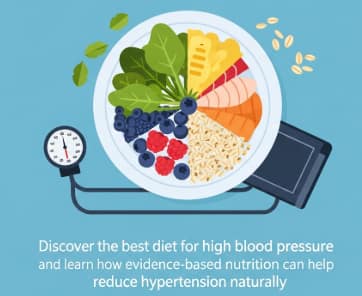
High blood pressure (hypertension) affects millions of people worldwide. Many individuals search for the best diet for high blood pressure because food plays a major role in controlling blood pressure levels. Healthy eating may support the cardiovascular system, improve energy, and reduce long-term health risks. According to the World Health Organization (WHO), lifestyle choices like diet are a key factor in hypertension management. This article explains an evidence-based dietary plan, food lists, tips, and real-world examples.
⚠ Medical Disclaimer:
This content is educational and not a substitute for professional medical advice. Always consult a healthcare provider before making dietary changes.
🥗 What Is the Best Diet for High Blood Pressure?
The best diet for high blood pressure is based on scientifically supported nutrition plans that reduce sodium, increase potassium intake, and improve cardiovascular health. One of the most trusted guidelines is the DASH diet (Dietary Approaches to Stop Hypertension). According to the National Institutes of Health (NIH), this diet has been clinically proven to reduce blood pressure levels in adults.
Key Principles of the DASH Diet:
- Prioritize natural, unprocessed food
- Increase intake of fruits and vegetables
- Choose whole grains over refined carbohydrates
- Limit saturated fats, processed meat, and added sugar
- Reduce sodium intake and choose potassium-rich foods
🍎 Best Food Choices for Hypertension Control
1. Foods to Include (Recommended)
The following foods support heart function and healthy blood pressure:
✔ Vegetables: spinach, kale, broccoli, sweet potatoes
✔ Fruits: bananas, berries, pomegranates, oranges
✔ Whole grains: oats, brown rice, quinoa, whole wheat bread
✔ Protein: fatty fish (salmon, sardines), tofu, lentils, beans
✔ Healthy fats: olive oil, chia seeds, walnuts, almonds
✔ Low-fat dairy: yogurt, cottage cheese, skim milk
These foods are high in fiber, vitamins, and minerals. Potassium in fruits and vegetables helps balance sodium and promotes healthy blood pressure levels.
2. Foods to Limit or Avoid
❌ Fast food and deep-fried items
❌ Processed meats (sausages, hot dogs, bacon)
❌ High-salt snacks (chips, salted nuts, pickles)
❌ Sugary beverages (soda, sweet tea, energy drinks)
❌ Excessive caffeine and alcohol
Reducing these foods supports healthier arteries and lowers stress on the cardiovascular system.
🧂 Sodium and Potassium: The Key Balance
Sodium increases blood pressure by causing water retention. Potassium helps relax blood vessels. According to the CDC, adults should consume less than 2,300 mg of sodium per day.
Low-Sodium Tips:
- Read nutrition labels
- Use sea salt alternatives like herbs and spices
- Cook fresh meals instead of packaged foods
- Rinse canned vegetables or beans before use
Some natural herbs like Korean red ginseng may also support cardiovascular health when used responsibly, based on studies found on PubMed. However, avoid overdosing and discuss supplementation with a healthcare provider.
🥣 Sample 7-Day Meal Plan (Simple & Practical)
This meal plan supports the best diet for high blood pressure using DASH principles:
| Day | Breakfast | Lunch | Dinner |
|---|---|---|---|
| 1 | Oatmeal + berries | Grilled salmon + quinoa | Chickpea salad |
| 2 | Smoothie (banana + spinach) | Brown rice + vegetables | Stir-fried tofu |
| 3 | Greek yogurt + nuts | Vegetable soup + whole wheat toast | Baked sweet potato |
| 4 | Whole grain toast + avocado | Lentil curry | Roasted vegetables |
| 5 | Chia pudding | Tuna salad | Steamed broccoli + chicken breast |
| 6 | Cottage cheese + fruit | Hummus wrap | Grilled fish |
| 7 | Muesli + almond milk | Bean stew | Cauliflower rice + shrimp |
Small, consistent changes create sustainable long-term results.
🌿 Herbal Support: Ginseng and Blood Pressure
Korean ginseng may help support blood circulation and overall wellness. Some clinical data suggests ginseng could promote vascular relaxation. However, responses vary between individuals. If you are already taking blood pressure medications, speak with your doctor before supplementation. Also read Ginseng for Improving Blood Circulation and Flow: Scientific Benefits, Mechanisms, and Safe Use
Suggested credible reading:
- PubMed
- American Heart Association
- NIH DASH Diet Guidelines
- WHO Hypertension Factsheet
🧠 Lifestyle Tips to Support Diet Results
Along with the best diet for high blood pressure, these habits help strengthen heart health:
- Walk or exercise at least 30 minutes daily
- Practice stress-reducing activities like yoga, meditation, or deep breathing
- Maintain a healthy body weight
- Avoid smoking and limit alcohol
Tracking your progress with regular blood pressure monitoring can help you stay consistent.
🎯 Conclusion
Changing how you eat can significantly improve your blood pressure and reduce disease risks. The best diet for high blood pressure focuses on low-sodium foods, whole grains, fruits, vegetables, lean protein, and healthy fats. Although food can make a big difference, always combine dietary change with medical guidance.
❓ Frequently Asked Questions (FAQ)
1. Can diet alone lower high blood pressure?
Diet can help significantly, especially with the DASH plan. However, some people still require medication depending on their condition.
2. How fast will results appear?
Some improvements may appear within two to four weeks, but long-term consistency is essential.
3. Can coffee raise blood pressure?
Yes, caffeine may temporarily increase blood pressure in sensitive individuals.
4. Is salt the main cause of hypertension?
Salt contributes but isn’t the only factor. Stress, genetics, age, and inactivity also play a role.
🇰🇷 Premium Korean Ginseng Online Shop


