
Introduction
Cancer fatigue treatment is a central concern for patients and survivors across all cancer types. Cancer-related fatigue differs from ordinary tiredness. It is persistent, disproportionate to activity, and often not relieved by rest. Moreover, it affects physical strength, cognitive clarity, emotional stability, and quality of life. Because fatigue can begin before diagnosis and continue long after treatment ends, effective and safe management requires a structured, evidence-based approach.
This article provides a comprehensive, medically accurate overview of cancer fatigue treatment. It integrates current clinical guidelines, behavioral interventions, nutrition science, and supportive therapies. Throughout, the focus remains on patient safety, realistic expectations, and consultation with healthcare professionals.
What Is Cancer-Related Fatigue?
Cancer-related fatigue (CRF) is defined as a distressing, persistent sense of exhaustion related to cancer or its treatment. It interferes with usual functioning and is not proportional to recent activity.
According to the World Health Organization and the National Institutes of Health, CRF is one of the most common and under-treated symptoms in oncology care.
Key Characteristics of Cancer Fatigue
- Lasts weeks or months
- Affects body, mood, and cognition
- Persists despite adequate sleep
- Worsens with chemotherapy or radiation
- Limits daily activities and social life
Because of these features, cancer fatigue treatment requires more than rest alone.
Why Cancer Fatigue Happens: Medical Causes
Understanding mechanisms helps clinicians choose appropriate cancer fatigue treatment strategies.
1. Treatment-Related Factors
- Chemotherapy-induced mitochondrial dysfunction
- Radiation-related tissue inflammation
- Hormonal therapy disrupting endocrine balance
2. Biological Contributors
- Chronic systemic inflammation (elevated IL-6, TNF-α)
- Anemia and reduced oxygen delivery
- Dysregulated hypothalamic-pituitary-adrenal axis
3. Psychological and Lifestyle Factors
- Depression and anxiety
- Sleep disturbance
- Reduced physical activity
- Poor nutritional intake
Often, several factors overlap. Therefore, treatment must be multifactorial.
Evidence-Based Cancer Fatigue Treatment Options
Clinical guidelines consistently recommend a multimodal approach. Below are interventions supported by high-quality evidence.
Physical Activity as First-Line Therapy
Exercise is the most consistently effective cancer fatigue treatment.
What the Evidence Shows
Multiple randomized controlled trials published in The Journal of Clinical Oncology demonstrate that moderate exercise reduces fatigue severity during and after treatment.
Recommended Exercise Types
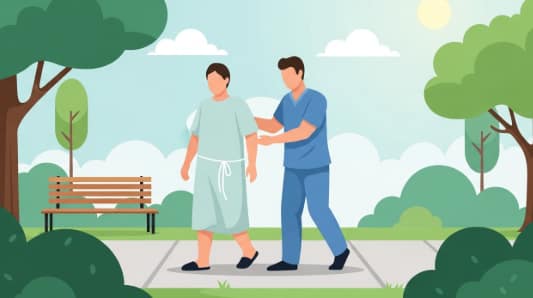
- Brisk walking (20–30 minutes, 3–5 times weekly)
- Light resistance training
- Yoga or tai chi for balance and breathing
Importantly, intensity should be individualized. Patients should start slowly and progress gradually.
Always consult an oncologist or physiotherapist before starting an exercise program.
Nutritional Support in Cancer Fatigue Treatment
Nutrition directly affects energy metabolism, muscle mass, and inflammatory status.
Key Nutritional Principles
- Adequate protein intake (1.0–1.5 g/kg/day)
- Balanced complex carbohydrates
- Healthy fats (omega-3 sources)
- Sufficient micronutrients, especially iron and vitamin D
Common Nutritional Challenges
| Issue | Impact on Fatigue | Strategy |
|---|---|---|
| Poor appetite | Muscle loss | Small, frequent meals |
| Anemia | Low oxygen | Iron assessment |
| Dehydration | Weakness | Fluid scheduling |
Registered dietitians with oncology experience should guide nutritional plans.
Psychological and Behavioral Interventions
Mental health plays a critical role in cancer fatigue treatment.
Cognitive Behavioral Therapy (CBT)
CBT reduces fatigue by addressing:
- Maladaptive sleep habits
- Stress-related energy depletion
- Negative illness perceptions
Systematic reviews in Psycho-Oncology show sustained benefits up to 12 months.
Sleep Optimization
Good sleep hygiene includes:
- Fixed sleep-wake times
- Limiting daytime naps
- Avoiding screens before bed
Improved sleep often leads to meaningful fatigue reduction.
Pharmacological Approaches: Limited but Targeted
Medication is not first-line for cancer fatigue treatment. However, it may help selected patients.
When Medications Are Considered
- Severe fatigue with depression → antidepressants
- Fatigue linked to anemia → erythropoiesis-stimulating agents (carefully monitored)
- Fatigue with excessive sleepiness → psychostimulants (limited evidence)
Clinicians must weigh benefits against risks carefully.
Integrative Therapies and Supportive Care
Integrative approaches complement conventional cancer fatigue treatment when used responsibly.
Therapies With Moderate Evidence
- Acupuncture
- Mindfulness-based stress reduction
- Massage therapy
These interventions primarily improve perceived energy and emotional well-being.
Korean Ginseng: A Cautious Note
Some studies suggest standardized Korean ginseng extracts may modestly reduce cancer-related fatigue. However, evidence remains limited and heterogeneous. Additionally, ginseng may interact with anticoagulants and chemotherapy drugs. Therefore, its use should be discussed with an oncologist and never replace standard care.
Monitoring and Individualizing Cancer Fatigue Treatment
Effective management requires ongoing assessment.
Common Fatigue Assessment Tools
- Brief Fatigue Inventory (BFI)
- Functional Assessment of Chronic Illness Therapy-Fatigue (FACIT-F)
Regular monitoring helps clinicians adjust interventions over time.
When to Seek Medical Advice Immediately
Patients should contact healthcare providers if fatigue:
- Suddenly worsens
- Is accompanied by shortness of breath
- Includes dizziness or chest pain
- Prevents basic self-care
These signs may indicate serious underlying conditions.
Role of Healthcare Teams
Optimal cancer fatigue treatment involves collaboration among:
- Oncologists
- Oncology nurses
- Dietitians
- Psychologists
- Physical therapists
This multidisciplinary approach improves outcomes and patient satisfaction.
Conclusion
Cancer fatigue treatment requires structured, evidence-based care rather than passive endurance. Exercise, nutrition, psychological support, and symptom-targeted medical management form the foundation of effective treatment. Integrative therapies may offer additional support when used judiciously. Because fatigue reflects complex biological and psychosocial processes, individualized care and professional guidance remain essential.
Patients should feel empowered to discuss fatigue openly with their care team. With the right strategies, meaningful improvement is achievable.
Read also: Ginseng for Cancer Fatigue: Evidence-Based Benefits of Korean Ginseng for Energy Recovery
Scientific References (External Sources)
- National Cancer Institute (NCI) – Cancer-Related Fatigue Guidelines
- PubMed – Exercise Interventions for Cancer Fatigue
- Journal of Clinical Oncology – Fatigue Management Studies
- World Health Organization – Supportive Cancer Care