
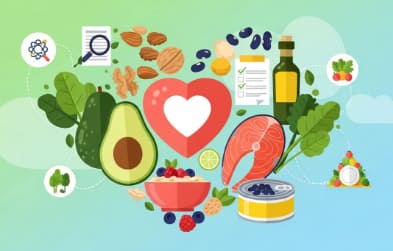
Managing cholesterol levels is essential for maintaining a healthy cardiovascular system. Eating the right foods can make a significant difference. This guide explores the best cholesterol-lowering foods for heart health, supported by science and global medical references.
High cholesterol, particularly high LDL (low-density lipoprotein), increases the risk of heart disease and stroke. According to the World Health Organization (WHO), cardiovascular disease remains the leading cause of death globally. The good news is that nutrition plays a powerful role in prevention and management.
In this article, you’ll learn which foods support healthier cholesterol levels, how they work, and how to include them in your diet.
🫀 Why Diet Matters for Cholesterol and Heart Health
Your body needs cholesterol to function. However, too much LDL cholesterol can lead to plaque buildup in arteries. This condition, called atherosclerosis, increases heart disease risk.
Research from the National Institutes of Health (NIH) shows that certain foods can:
- Reduce LDL cholesterol
- Increase HDL (good cholesterol)
- Lower triglycerides
- Improve overall cardiovascular function
🥑 1. Oats and Whole Grains
One of the most recommended cholesterol-lowering foods for heart health is oatmeal. Whole grains contain beta-glucan, a soluble fiber proven to reduce LDL cholesterol.
Benefits
- Helps remove excess cholesterol from the bloodstream
- Improves digestion
- Supports steady blood sugar levels
How to Include
- Overnight oats with berries
- Whole-grain bread or quinoa bowls
Source: Harvard School of Public Health: Soluble fiber and cholesterol reduction: https://www.hsph.harvard.edu/
🥜 2. Nuts and Seeds
Almonds, walnuts, chia seeds, and flaxseeds are rich in omega-3 fatty acids, fiber, and plant sterols. Studies from PubMed Central (PMC) confirm that daily nut consumption improves heart health markers.
Benefits
- Reduces inflammation
- Supports healthy blood vessels
- Improves HDL levels
Suggested Serving
- A handful (≈ 30g) daily
- Add seeds to smoothies, yogurt, or salads
🐟 3. Fatty Fish
Fatty fish contain long-chain omega-3s such as EPA and DHA.
Examples:
- Salmon
- Mackerel
- Sardines
Research from the American Heart Association (AHA) suggests consuming fatty fish at least twice per week.
Benefits
- Reduces triglycerides
- Lowers inflammation
- Supports rhythm and blood flow
🫘 4. Beans and Legumes
Beans are affordable and effective. They contain soluble fiber, plant protein, and minerals.
Types
- Lentils
- Chickpeas
- Kidney beans
Benefits
- Helps maintain stable blood sugar
- Reduces LDL cholesterol
- Increases satiety and supports weight control
🥗 5. Fruits Rich in Pectin
Some fruits may naturally help lower cholesterol due to a fiber called pectin.
Examples:
- Apples
- Grapes
- Citrus fruits
- Berries
A clinical review from the European Journal of Nutrition found that daily pectin intake significantly reduces LDL levels.
🫒 6. Olive Oil and Healthy Fats
Extra virgin olive oil contains monounsaturated fats and antioxidants such as polyphenols.
Benefits
- Supports healthy arteries
- Lowers inflammation
- Improves HDL function
Use olive oil as a replacement for butter or processed oils.
🍵 7. Green Tea
Green tea contains catechins, antioxidant compounds shown to lower LDL cholesterol and support metabolic health.
Best Practice
- Drink 1–3 cups daily
- Avoid adding too much sugar
🥬 8. Vegetables High in Soluble Fiber
Dark leafy greens, Brussels sprouts, and sweet potatoes contain nutrients essential for heart health.
Benefits
- Supports detoxification
- Improves digestion
- Reduces cholesterol absorption
Summary Table of Top Cholesterol-Supportive Foods
| Food Type | Key Benefit | How to Use |
|---|---|---|
| Oats & whole grains | Soluble fiber boosts digestion & lowers LDL | Breakfast bowls |
| Nuts & seeds | Plant omega-3s and sterols | Snack or topping |
| Fatty fish | Supports heart rhythm and lowers triglycerides | Twice weekly |
| Legumes | Fiber & protein support weight and cholesterol balance | Salads, soups |
| Fruits high in pectin | Natural fiber and antioxidants | Daily snack |
| Olive oil | Healthy fats replace processed oils | Cooking |
| Green tea | Antioxidants protect blood vessels | Beverage |
⚠ Important Safety Note
Food can support health, but it does not replace medication when prescribed. Always consult a healthcare professional before making significant dietary changes, especially if you have:
- Diabetes
- Cardiovascular disease
- High triglycerides
- Existing medication treatment
This article is for informational purposes only and is not a substitute for professional medical advice.
🚶 Lifestyle Tips to Support Cholesterol Management
Along with incorporating cholesterol-lowering foods for heart health, lifestyle habits matter.
- Stay physically active (at least 150 minutes weekly)
- Limit trans fats and processed food
- Stop smoking
- Manage body weight
- Prioritize sleep
Conclusion
Improving cholesterol naturally starts with small, consistent steps. Adding oats, nuts, fatty fish, fruits, vegetables, and olive oil to your diet can significantly support cardiovascular health. With the right food choices and healthy habits, your heart can stay stronger and healthier for years.
Frequently Asked Questions (FAQ)
1. How long does it take for food changes to affect cholesterol?
Most people may see improvements in 4–12 weeks with consistent dietary changes.
2. Can supplements replace cholesterol-lowering foods?
No. Supplements can support nutrition but should not replace whole foods.
3. Is green tea enough to lower cholesterol?
Green tea helps, but it works best as part of a full heart-healthy diet.
4. Can children eat cholesterol-lowering foods?
Yes, but portion sizes and dietary needs may differ. Speak to a pediatric nutrition specialist.
🇰🇷 Premium Korean Ginseng Online Shop


