
Fatigue affects millions of adults worldwide. Many people now search for the clinical evidence of ginseng for energy improvement before trying herbal supplements. This is a smart approach. Evidence-based decisions protect your health. Moreover, scientific evaluation helps separate marketing claims from measurable outcomes. In this article, we examine the research behind Korean ginseng and its effects on physical and mental energy.
Understanding Fatigue and Energy Metabolism
Fatigue is not simply “feeling tired.” It involves complex biological pathways. These include:
- Mitochondrial ATP production
- Neurotransmitter balance
- Hormonal regulation (especially cortisol)
- Inflammatory signaling
Chronic fatigue can result from stress, poor sleep, inflammation, or illness. Therefore, any intervention that claims to improve energy must influence one or more of these mechanisms.
What Is Korean Ginseng?
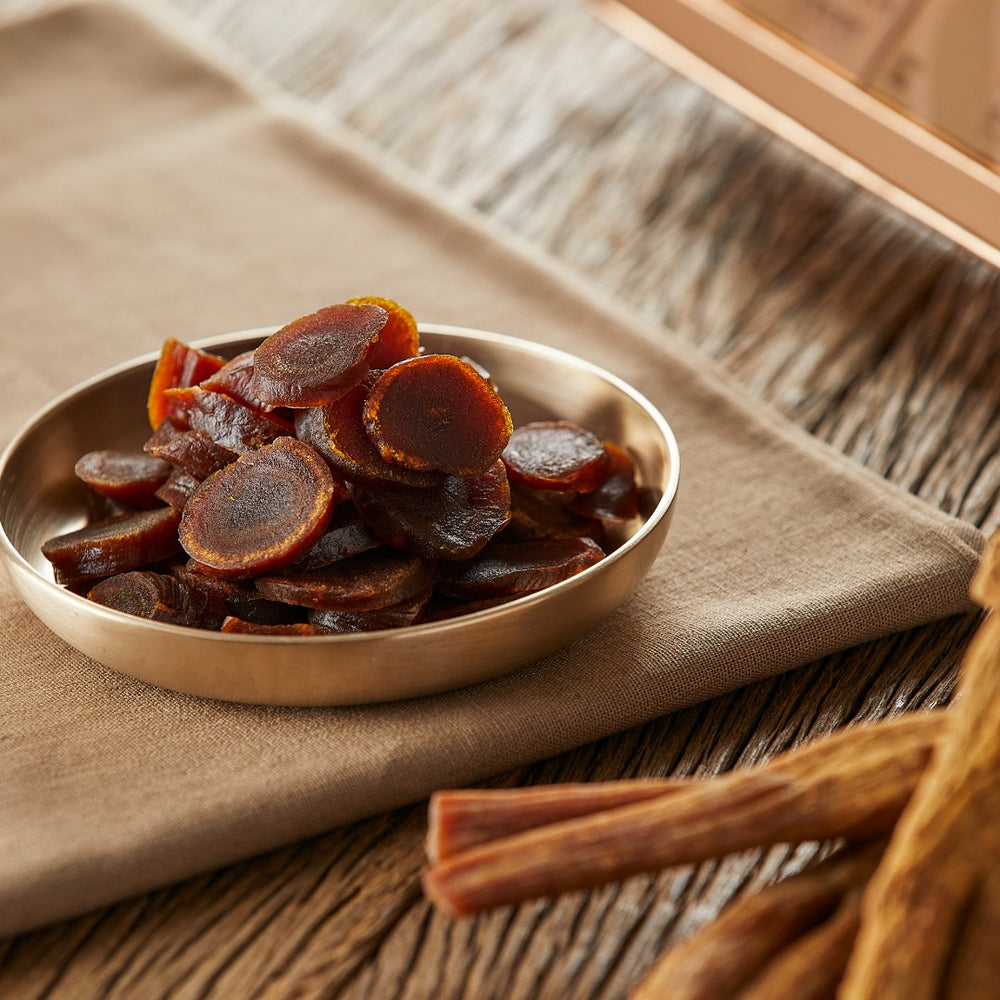
Korean ginseng refers to the root of Panax ginseng. It has been used in East Asian medicine for centuries. However, modern interest focuses on its standardized extracts and measurable bioactive compounds.


4
Active compounds:
- Ginsenosides (Rb1, Rg1, Rg3, etc.)
- Polysaccharides
- Peptides
Among these, ginsenosides are the most studied. They influence cellular energy pathways, nitric oxide production, and neuroendocrine regulation.
The World Health Organization (WHO) has recognized Panax ginseng in its monographs on selected medicinal plants:
https://apps.who.int/medicinedocs/en/d/Js4927e/
H2: Clinical Evidence of Ginseng for Energy Improvement in Human Trials
The clinical evidence of ginseng for energy improvement comes primarily from randomized controlled trials (RCTs). These studies evaluate both subjective fatigue and objective performance measures.
1. Cancer-Related Fatigue Studies
A notable randomized trial published in the Journal of the National Cancer Institute evaluated American ginseng in cancer patients with fatigue. Participants reported significant improvement compared to placebo.
Study link: https://academic.oup.com/jnci/article/105/16/1230/2517805
Although this study used American ginseng (Panax quinquefolius), its findings support the adaptogenic properties of the Panax genus.
2. Korean Red Ginseng and Chronic Fatigue
Several Korean trials have examined Korean red ginseng (steamed Panax ginseng). One placebo-controlled study showed improved fatigue scores and antioxidant status in adults with chronic fatigue.
PubMed reference: https://pubmed.ncbi.nlm.nih.gov/21424749/
Researchers observed:
- Improved self-reported energy
- Reduced oxidative stress markers
- Better mental performance
These outcomes strengthen the clinical evidence of ginseng for energy improvement in non-cancer populations.
3. Exercise Performance and Physical Endurance
Studies also evaluate athletic performance. Some trials demonstrate modest improvements in endurance capacity and reduced perceived exertion. However, results are mixed. Therefore, ginseng should not replace structured training.
NIH Office of Dietary Supplements overview:
https://ods.od.nih.gov/factsheets/Ginseng-HealthProfessional/
Mechanisms: How Korean Ginseng May Support Energy
Scientific evidence suggests several biological mechanisms.
1. Mitochondrial Support
Ginsenosides may enhance ATP production. They modulate AMPK signaling, which regulates cellular energy balance.
2. Nitric Oxide Enhancement
Korean red ginseng increases nitric oxide synthesis. This improves blood flow. As a result, tissues receive more oxygen and nutrients.
3. Stress Regulation
Ginseng acts as an adaptogen. It helps regulate the hypothalamic–pituitary–adrenal (HPA) axis. Balanced cortisol levels reduce stress-related fatigue.
4. Anti-Inflammatory Effects
Chronic inflammation contributes to low energy. Ginseng reduces pro-inflammatory cytokines in several studies.
Because fatigue is multifactorial, a multi-target herb like ginseng may offer broader support.
Comparing Korean Ginseng to Other Energy Supplements
Many people rely on caffeine. However, caffeine works differently.
| Feature | Korean Ginseng | Caffeine |
|---|---|---|
| Mechanism | Adaptogenic, cellular support | Central nervous stimulant |
| Crash Effect | Minimal | Common |
| Long-Term Adaptation | Possible | Tolerance develops |
| Stress Modulation | Yes | No |
Therefore, Korean ginseng may provide sustained support without overstimulation.
Dosage Used in Clinical Studies
Most trials used:
- 200–400 mg standardized extract daily
- 1–2 grams dried root equivalent
- Duration: 4–12 weeks
Standardization matters. Look for products specifying ginsenoside content (often 5–10%).
Importantly, higher doses do not always mean better outcomes.
Safety Profile and Medical Considerations
The clinical evidence of ginseng for energy improvement also evaluates safety. Overall, Korean ginseng is well tolerated.
Possible side effects:
- Mild insomnia
- Gastrointestinal discomfort
- Headache
Precautions:
- Avoid combining with stimulant medications
- Use caution with anticoagulants
- Consult a physician if pregnant or managing chronic illness
The NIH emphasizes that herbal supplements should complement, not replace, medical care.
Quality Matters: How to Choose Korean Ginseng
Not all products are equal. Quality depends on:
- Species authenticity (Panax ginseng)
- Standardized ginsenoside content
- Proper steaming process (for red ginseng)
- Third-party testing
Choose manufacturers that:
- Provide certificate of analysis
- Disclose extraction method
- Follow GMP standards
Additionally, aged 6-year roots typically contain higher ginsenoside concentrations.
When selecting a product, prioritize transparency over price.
Practical Tips for Best Results
To optimize benefits:
- Take in the morning
- Use consistently for at least 4 weeks
- Combine with sleep hygiene and stress management
- Maintain adequate protein intake
Energy improvement requires a holistic approach. Supplements alone cannot correct lifestyle imbalance.
Limitations of Current Research
While the clinical evidence of ginseng for energy improvement is promising, limitations remain:
- Small sample sizes
- Variability in extract standardization
- Short study durations
More large-scale, long-term RCTs are needed. Nevertheless, current data supports moderate benefits in fatigue management.
Conclusion: Should You Try Korean Ginseng?
Scientific research supports the clinical evidence of ginseng for energy improvement, particularly for fatigue related to stress, chronic illness, or lifestyle overload. Korean red ginseng offers multi-pathway support. It enhances mitochondrial function, improves circulation, and modulates stress hormones.
However, responsible use is essential. Always consult a healthcare professional before starting any supplement.
If you feel drained, overwhelmed, and mentally exhausted, you are not alone. Sustainable energy is not about quick fixes. It is about restoring balance at the cellular level.
Choose high-quality Korean ginseng. Invest in standardized extracts. Support your body intelligently. Your energy fuels your work, your family, and your dreams.
Do not wait for burnout to define your limits. Start rebuilding your vitality today with premium Korean ginseng.
🇰🇷 Premium Korean Ginseng Online Shop


