
Introduction
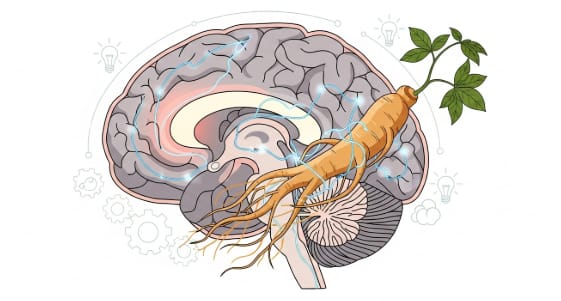
Many readers ask, does ginseng help with memory and focus in a real, measurable way? This question matters, especially in an era of constant mental overload. Among herbal options, Korean ginseng (Panax ginseng) stands out because it has been studied more than most botanicals for cognitive performance. In this evidence-based guide, we will examine how ginseng works, what science says, who may benefit, and how to choose a safe, high-quality product. We will also discuss limits, risks, and realistic expectations. Importantly, this article does not replace professional medical advice.
What Is Korean Ginseng and Why Is It Different?
Korean ginseng, also called Panax ginseng, is a slow-growing root used for centuries in East Asian medicine. Unlike “Siberian ginseng” or “American ginseng,” Panax ginseng contains a unique group of active compounds called ginsenosides. These molecules interact with the nervous system, immune system, and metabolic pathways.
Several institutions, including the National Institutes of Health (NIH) and World Health Organization (WHO), recognize Panax ginseng as a medicinal plant with potential benefits when used correctly. You can review monographs and safety notes from NIH here:
- NIH Office of Dietary Supplements: https://ods.od.nih.gov/factsheets/Ginseng-Consumer/
- WHO Monographs: https://apps.who.int/iris/handle/10665/42052
In short, Korean ginseng is not just a stimulant. Instead, it acts as an adaptogen, which means it may help the body respond to stress more efficiently. Because stress and fatigue impair attention, this mechanism matters for cognitive performance.
Does Ginseng Help with Memory and Focus? What Science Says
So, does ginseng help with memory and focus according to research? The short answer is: there is supportive evidence, but results depend on dose, extract quality, and the person.
Clinical and laboratory studies suggest several relevant effects:
- Improved working memory and reaction time in some healthy adults
- Reduced mental fatigue during demanding tasks
- Better subjective focus during periods of stress or sleep deprivation
For example, a review in Journal of Ginseng Research reports that Panax ginseng may enhance cognitive performance and reduce fatigue, especially in short-term trials. PubMed summary:
https://pubmed.ncbi.nlm.nih.gov/26869803/
Another randomized, placebo-controlled study found that standardized ginseng extract improved aspects of memory and attention in healthy volunteers:
https://pubmed.ncbi.nlm.nih.gov/20010534/
However, not every study shows strong effects. Therefore, responsible health communication requires balance. Ginseng is not a cure for dementia, ADHD, or neurological disease. Still, for healthy adults or people with mild fatigue-related concentration issues, the evidence is promising.
How Korean Ginseng Works in the Brain
To understand potential benefits, we need to look at mechanisms. Ginsenosides appear to influence several pathways:
- Neurotransmitter modulation
Some ginsenosides affect acetylcholine, dopamine, and serotonin systems. These neurotransmitters support memory, motivation, and attention. - Neuroprotection and antioxidant effects
Oxidative stress harms neurons over time. Ginseng shows antioxidant activity in both animal and human studies, which may protect brain cells. Review article:
https://www.ncbi.nlm.nih.gov/pmc/articles/PMC5452221/ - Improved cerebral blood flow
Better blood flow means better oxygen and nutrient delivery. This can support mental clarity during demanding tasks. - Stress-response regulation
Because ginseng acts as an adaptogen, it may reduce stress-related cortisol spikes. Lower stress often means better focus and memory.
Together, these effects explain why many researchers continue to study Korean ginseng for cognitive health.
Who Might Benefit the Most?
Ginseng does not work the same way for everyone. Still, research and clinical experience suggest several groups may notice benefits:
- Students and professionals under high cognitive load
- Adults with mental fatigue from stress or poor sleep
- Middle-aged and older adults who want to support normal memory function
- People under temporary stress who struggle to concentrate
However, if you have a diagnosed condition such as depression, anxiety disorder, ADHD, or neurodegenerative disease, you should speak with a healthcare professional before using ginseng. Supplements can interact with medications, including blood thinners, diabetes drugs, and stimulants.
Safety, Side Effects, and Realistic Expectations
It is crucial to use safe medical language. Korean ginseng is generally well tolerated when used in moderate doses for short to medium periods. According to NIH, possible side effects include:
- Headache
- Digestive upset
- Insomnia, especially if taken late in the day
- Nervousness or palpitations in sensitive individuals
Long-term high-dose use is not well studied. Therefore, most experts recommend cycling ginseng, such as using it for 8–12 weeks, then taking a break.
Also, remember this key point: Herbal supplements support health; they do not replace medical treatment. This article is for educational purposes only and is not a substitute for professional medical advice, diagnosis, or treatment.
Comparing Korean Ginseng with Other “Brain” Supplements
Many products claim to boost memory and focus. Let us compare Korean ginseng with a few popular options:
- Caffeine: Works fast, but may cause jitteriness and crashes. Ginseng works more gently and may reduce fatigue without sharp spikes.
- Ginkgo biloba: Often used for circulation and memory in older adults. Evidence is mixed, especially for dementia prevention.
- Omega-3 fatty acids: Strong evidence for overall brain health, but effects are long-term and structural rather than immediate focus.
- B vitamins: Helpful if you are deficient, but not a stimulant for focus in healthy people.
In contrast, Korean ginseng sits in the middle. It is not a quick stimulant. Instead, it supports resilience, energy regulation, and mental endurance. That is why many people use it during long work periods or stressful seasons.
Practical Dosing and How to Use It
Most clinical studies use 200–400 mg per day of a standardized Panax ginseng extract, often containing 4–7% ginsenosides. Whole-root powders and teas vary widely in strength, so results can differ.
Practical tips:
- Take it in the morning or early afternoon to avoid sleep issues.
- Start with a lower dose and observe your response.
- Use it consistently for several weeks before judging effects.
- Avoid combining with strong stimulants at first.
Again, if you take prescription medication or have a chronic condition, consult your doctor or pharmacist.
How to Choose a High-Quality Korean Ginseng Product
Not all products are equal. Quality matters for both safety and results. Here is a simple checklist:
- Species clearly labeled: Look for Panax ginseng C.A. Meyer.
- Standardized extract: This ensures consistent ginsenoside content.
- Third-party testing: Check for certificates of analysis or quality seals.
- Country of origin: Premium Korean ginseng often comes from South Korea, where cultivation standards are strict.
- Transparent labeling: Avoid products with vague “proprietary blends.”
Because contamination and adulteration are real risks in the supplement market, buying from a reputable supplier is essential.
Does Ginseng Help with Memory and Focus in the Long Term?
This brings us back to the core question: does ginseng help with memory and focus over time? Current evidence suggests:
- Short-term cognitive performance and fatigue may improve in some people.
- Long-term disease prevention is not proven.
- Individual response varies, based on genetics, stress levels, sleep, and diet.
Therefore, the most responsible conclusion is this: Korean ginseng can be a useful supportive tool for mental performance, especially during periods of stress or heavy workload. However, it works best as part of a broader lifestyle approach that includes good sleep, balanced nutrition, physical activity, and stress management.
A Note on Evidence and Credibility
This article relies on sources from PubMed, NIH, WHO, and peer-reviewed journals. You can explore further here:
- PubMed search on Panax ginseng and cognition: https://pubmed.ncbi.nlm.nih.gov/?term=panax+ginseng+cognition
- NIH Ginseng Fact Sheet: https://ods.od.nih.gov/factsheets/Ginseng-Consumer/
- Review in Journal of Ginseng Research: https://www.sciencedirect.com/science/article/pii/S1226845316300186
These sources show both potential benefits and limitations. That balance is essential for trustworthy health content.
Conclusion: Making a Smart, Safe Choice
So, does ginseng help with memory and focus? For many adults, especially those under stress or mental fatigue, high-quality Korean ginseng may support clearer thinking and better mental endurance. It is not magic. It is not a drug. Yet, when chosen carefully and used responsibly, it can become part of a smarter brain-health strategy.
If you want to invest in your cognitive performance, start with the basics: sleep, nutrition, and stress control. Then, consider adding a premium Korean ginseng product from a trusted source. Your brain works hard for you every day. Supporting it is not a luxury. It is a long-term investment in your quality of life.
🇰🇷 Premium Korean Ginseng Online Shop


