
Introduction
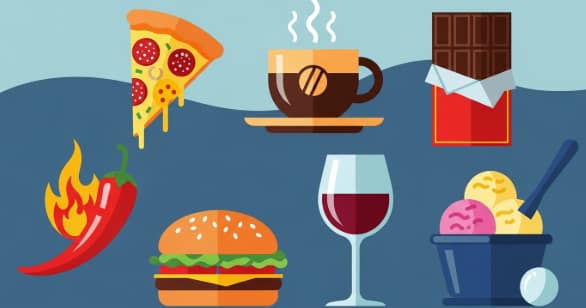
Foods that cause insomnia are often overlooked in discussions about sleep health. However, what you eat, and when you eat it, directly affects your nervous system, hormones, and circadian rhythm. Many people struggle with poor sleep despite good sleep hygiene. In many cases, the underlying issue is dietary. This article explains, with scientific evidence, how certain foods interfere with sleep quality and how you can make smarter nutritional choices for better rest.
Sleep is regulated by neurotransmitters such as melatonin and gamma-aminobutyric acid (GABA). Diet strongly influences these pathways. Therefore, understanding food-related sleep disruptors is essential for long-term health.
How Diet Directly Affects Sleep Physiology
Sleep depends on a delicate balance of neurochemicals. Nutrition plays a central role in this process.
Certain foods stimulate the sympathetic nervous system. Others cause blood sugar instability. Both mechanisms delay sleep onset and reduce deep sleep stages.
According to the National Institutes of Health (NIH), dietary patterns influence sleep latency, duration, and efficiency. This relationship is bidirectional. Poor sleep also increases cravings for unhealthy foods.
Key mechanisms include:
- Increased cortisol release
- Suppressed melatonin production
- Gastrointestinal discomfort
- Blood glucose fluctuations
Understanding these pathways helps explain why foods that cause insomnia have such a powerful effect.
Foods That Cause Insomnia by Stimulating the Nervous System
1. Caffeine-Containing Foods and Beverages
Caffeine is the most well-documented sleep disruptor. It blocks adenosine, the neurotransmitter responsible for sleep pressure.
Common sources include:
- Coffee and espresso
- Energy drinks
- Black and green tea
- Dark chocolate
- Cola beverages
Caffeine has a half-life of 5–7 hours. Therefore, afternoon intake can affect nighttime sleep. Research published on PubMed confirms that even moderate caffeine use reduces total sleep time.
Source: https://pubmed.ncbi.nlm.nih.gov/20119467/
2. Sugar-Rich Foods and Refined Carbohydrates
High-glycemic foods cause rapid blood sugar spikes. These are followed by insulin surges and reactive hypoglycemia.
This process increases adrenaline and cortisol release. As a result, nighttime awakenings become more frequent.
Problematic foods include:
- Candy and desserts
- White bread and pastries
- Sugary cereals
- Sweetened beverages
According to Harvard Medical School, diets high in refined carbohydrates are linked to shorter sleep duration.
Source: https://www.health.harvard.edu/staying-healthy/foods-that-may-interfere-with-sleep
Digestive Triggers: Foods That Disrupt Sleep Through the Gut
3. Spicy and Acidic Foods
Spicy meals increase core body temperature. This delays the natural temperature drop required for sleep initiation.
Acidic foods may also worsen acid reflux. Nighttime reflux is strongly associated with insomnia.
Examples include:
- Chili-based dishes
- Tomato sauces
- Citrus fruits late at night
- Vinegar-heavy foods
The American Academy of Sleep Medicine recognizes gastroesophageal reflux disease (GERD) as a contributor to chronic insomnia.
Source: https://aasm.org/
4. High-Fat and Fried Foods
Fat slows gastric emptying. This leads to discomfort and bloating when lying down.
Additionally, high-fat meals reduce slow-wave sleep. This is the most restorative sleep stage.
Foods to limit at dinner include:
- Fried fast food
- Processed meats
- Cream-based sauces
- Heavy cheese dishes
Research in the Journal of Clinical Sleep Medicine confirms that high-fat diets reduce sleep efficiency.
Source: https://jcsm.aasm.org/
Alcohol and Sleep: A Misunderstood Relationship
5. Alcoholic Beverages
Alcohol initially causes sedation. However, it fragments sleep later in the night.
It suppresses REM sleep and increases nighttime awakenings. Alcohol also worsens sleep apnea.
The World Health Organization (WHO) warns against using alcohol as a sleep aid.
Source: https://www.who.int/news-room/fact-sheets/detail/alcohol
Alcohol is one of the most underestimated foods that cause insomnia.
Hormonal and Neurochemical Disruptors
6. Processed Foods with Additives
Artificial additives may affect neurotransmitter balance. Some individuals are sensitive to monosodium glutamate (MSG) and artificial sweeteners.
Potential triggers include:
- Packaged snacks
- Instant noodles
- Flavored chips
- Diet sodas
Although sensitivity varies, NIH-funded studies suggest excitatory effects in susceptible individuals.
Source: https://www.ncbi.nlm.nih.gov/
Timing Matters: When You Eat Is as Important as What You Eat
Late-night eating disrupts circadian rhythms. Insulin release at night interferes with melatonin secretion.
Best practices include:
- Finish dinner 3 hours before bed
- Avoid heavy snacks after 8 p.m.
- Choose protein-light evening meals
Chrononutrition research supports aligning meals with biological clocks.
Source: https://www.ncbi.nlm.nih.gov/pmc/articles/PMC6266517/
Herbal Support and Nutritional Balance for Better Sleep
While avoiding foods that cause insomnia is essential, supporting the nervous system is equally important.
Traditional herbal medicine has long emphasized adaptogens. Korean ginseng, in particular, supports stress regulation and adrenal balance.
Clinical studies show that Panax ginseng helps modulate cortisol levels. Balanced cortisol improves sleep quality indirectly.
Source: https://pubmed.ncbi.nlm.nih.gov/28359123/
When used correctly, ginseng supports daytime energy without nighttime overstimulation.
FAQ: Foods and Insomnia
Q1: Can eating fruit at night cause insomnia?
Low-glycemic fruits are generally safe. However, large portions may raise blood sugar.
Q2: Is chocolate bad for sleep?
Dark chocolate contains caffeine and theobromine. Both are stimulants.
Q3: Are spicy foods always harmful for sleep?
Sensitivity varies. People with reflux should avoid them at night.
Q4: Can herbal supplements replace sleep medication?
No. Herbal products support wellness but are not medical treatments.
Q5: Should I consult a doctor for chronic insomnia?
Yes. Persistent insomnia requires professional evaluation.
Conclusion
Foods that cause insomnia undermine sleep quality through hormonal, neurological, and digestive pathways. By reducing stimulants, sugars, and heavy meals, you support natural sleep regulation.
However, nutrition is not only about restriction. Supporting the body with adaptogenic herbs is equally important. Premium Korean ginseng is scientifically recognized for balancing stress responses and improving overall vitality.
If you want deeper sleep, better energy, and long-term health, consider integrating high-quality Korean ginseng into your daily routine.
🇰🇷 Premium Korean Ginseng Online Shop


Disclaimer: This article is for educational purposes only and does not replace professional medical advice. Always consult a qualified healthcare provider.