
Introduction
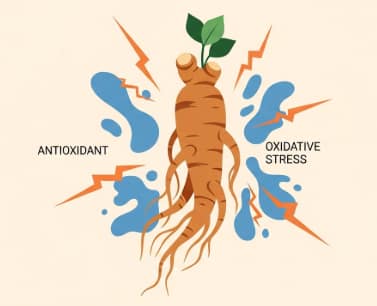
The ginseng antioxidant benefits have attracted growing scientific interest because oxidative stress plays a central role in aging and chronic disease. Oxidative stress occurs when reactive oxygen species overwhelm the body’s defense systems. As a result, cells, proteins, and DNA may suffer damage. For centuries, ginseng has been used in traditional East Asian medicine to support vitality and resilience. Today, modern research increasingly explains these traditional uses through antioxidant and anti-inflammatory mechanisms. This article reviews the science behind ginseng, focusing on its antioxidant properties, clinical relevance, safety profile, and practical guidance for evidence-based use.
Understanding Oxidative Stress and Antioxidants
Oxidative stress results from an imbalance between free radicals and antioxidants. Free radicals are unstable molecules produced during normal metabolism and environmental exposure. In excess, they can damage tissues and accelerate disease processes.
Antioxidants neutralize free radicals. They slow cellular damage and support normal physiological function. Diets rich in antioxidant compounds are consistently associated with better health outcomes. According to the National Institutes of Health (NIH), antioxidants play a protective role against chronic conditions linked to aging and inflammation.
Source: https://ods.od.nih.gov
What Is Ginseng? Types and Active Compounds
Ginseng refers mainly to plants in the Panax genus. The most studied forms include:
- Panax ginseng (Korean or Asian ginseng)
- Panax quinquefolius (American ginseng)
The primary bioactive compounds in ginseng are ginsenosides. These saponins influence antioxidant pathways, immune signaling, and metabolic regulation. In addition, ginseng contains polysaccharides, phenolic compounds, and peptides that contribute to its antioxidant activity.
Importantly, Korean ginseng is often steamed to produce red ginseng. This process alters ginsenoside composition and may enhance antioxidant potency.
Ginseng Antioxidant Benefits at the Cellular Level
How Ginseng Modulates Oxidative Pathways
Research shows that ginseng activates endogenous antioxidant enzymes, including:
- Superoxide dismutase (SOD)
- Catalase
- Glutathione peroxidase
These enzymes form the body’s primary defense against oxidative damage. Studies published in Oxidative Medicine and Cellular Longevity demonstrate that ginsenosides reduce lipid peroxidation and DNA damage in experimental models.
Source: https://www.ncbi.nlm.nih.gov/pmc/
Mitochondrial Protection
Mitochondria generate energy but also produce free radicals. Ginseng compounds appear to stabilize mitochondrial membranes and improve energy efficiency. Therefore, oxidative stress is reduced at its source. This mechanism may explain observed benefits for fatigue and physical endurance.
Clinical Evidence Supporting Antioxidant Effects
Human and Animal Studies
Several controlled studies link ginseng supplementation to improved antioxidant biomarkers:
- Reduced malondialdehyde, a marker of lipid oxidation
- Increased total antioxidant capacity in blood
- Improved glutathione status
A randomized trial reported in Journal of Ginseng Research found that Korean red ginseng significantly improved antioxidant enzyme activity in healthy adults after eight weeks.
Source: https://www.journals.elsevier.com/journal-of-ginseng-research
Relevance to Chronic Disease Risk
Oxidative stress contributes to cardiovascular disease, metabolic disorders, and neurodegeneration. While ginseng is not a treatment, its antioxidant properties may support overall risk reduction when combined with a healthy lifestyle. The World Health Organization (WHO) recognizes Panax ginseng as a medicinal plant with adaptogenic effects.
Source: https://www.who.int
Comparison With Other Herbal Antioxidants
Ginseng is often compared with other antioxidant herbs, such as turmeric and green tea. Each has unique mechanisms:
| Herb | Key Antioxidants | Primary Action |
|---|---|---|
| Ginseng | Ginsenosides | Enzyme activation, cellular protection |
| Turmeric | Curcumin | Anti-inflammatory signaling |
| Green Tea | Catechins | Free radical scavenging |
Unlike single-compound herbs, ginseng acts as an adaptogen. Therefore, it supports multiple physiological systems simultaneously.
Safety, Dosage, and Responsible Use
Safety Profile
Ginseng is generally safe for healthy adults when used appropriately. Mild side effects may include headache or digestive discomfort. However, high doses or long-term use without supervision may cause insomnia or blood pressure changes.
Special Considerations
- Avoid use during pregnancy unless advised by a clinician.
- Use caution if taking anticoagulants or stimulants.
- Consult a healthcare professional before combining ginseng with prescription medications.
The NIH and PubMed emphasize the importance of quality sourcing and standardized extracts.
Source: https://pubmed.ncbi.nlm.nih.gov
Practical Tips for Maximizing Benefits
To optimize ginseng antioxidant benefits, consider the following:
- Choose standardized extracts with defined ginsenoside content.
- Use products tested for purity and contaminants.
- Combine supplementation with an antioxidant-rich diet.
- Maintain consistent dosing rather than sporadic use.
Additionally, lifestyle factors such as sleep, stress management, and exercise strongly influence oxidative balance.
Conclusion
Scientific evidence increasingly supports the ginseng antioxidant benefits observed in traditional medicine. Through ginsenosides and related compounds, ginseng enhances endogenous antioxidant defenses and protects cellular integrity. While it is not a cure for disease, ginseng can serve as a supportive component of a health-conscious lifestyle. Always consult a qualified healthcare professional before starting any herbal supplement. This article is for educational purposes only and is not a substitute for professional medical advice.
Frequently Asked Questions (FAQ)
Is ginseng an antioxidant or an anti-inflammatory herb?
Ginseng exhibits both antioxidant and anti-inflammatory effects through different biochemical pathways.
How long does it take to see antioxidant effects?
Biomarker changes are often observed within 6–8 weeks in clinical studies.
Can ginseng prevent chronic diseases?
No. Ginseng may support cellular health but does not prevent or treat diseases.
Is Korean ginseng stronger than American ginseng?
They differ in ginsenoside profiles. Korean ginseng is generally more stimulating.
Can I take ginseng daily?
Yes, but cycles and professional guidance are recommended.
🇰🇷 Premium Korean Ginseng Online Shop


