
Introduction
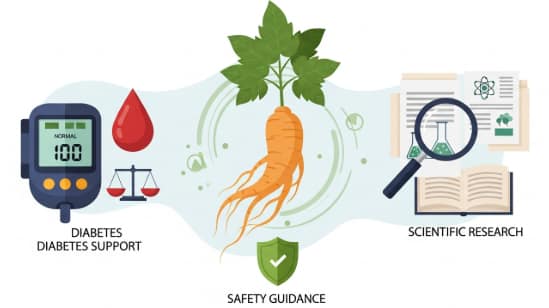
Ginseng as natural support for diabetes management has gained increasing attention in scientific and clinical nutrition discussions. Many people living with diabetes seek complementary strategies that support blood sugar balance without replacing standard medical care. Ginseng, a well-known medicinal herb used in Asian and Western herbal traditions, has been studied for its potential role in glucose metabolism, insulin sensitivity, and overall metabolic health. This article explores the science, safety, and practical considerations of using ginseng as part of a diabetes-supportive lifestyle.
Importantly, this content is for educational purposes only and is not a substitute for professional medical advice.
Understanding Diabetes and Blood Sugar Regulation
Diabetes mellitus is a chronic metabolic condition characterized by elevated blood glucose levels. It mainly includes:
- Type 1 diabetes, caused by autoimmune destruction of insulin-producing cells
- Type 2 diabetes, linked to insulin resistance and impaired insulin secretion
Persistent high blood sugar increases the risk of cardiovascular disease, nerve damage, kidney disease, and vision problems. Therefore, diabetes management focuses on:
- Balanced nutrition
- Physical activity
- Weight management
- Medication or insulin when prescribed
Some individuals also explore evidence-based herbal approaches under medical supervision.
What Is Ginseng? A Brief Scientific Overview
Ginseng refers to the roots of plants from the Panax genus. The most researched types include:
- Panax ginseng (Korean or Asian ginseng)
- Panax quinquefolius (American ginseng)
The word Panax comes from Greek, meaning “all-healing.” While this name is symbolic, modern research focuses on specific bioactive compounds rather than broad claims.
Key Active Compounds in Ginseng
The primary active components are ginsenosides, which influence:
- Glucose transport
- Insulin signaling pathways
- Inflammatory responses
According to the National Institutes of Health (NIH), ginsenosides interact with multiple metabolic targets, making ginseng an area of ongoing research.
Source: https://www.ncbi.nlm.nih.gov
Ginseng as Natural Support for Diabetes Management: What Research Shows
Several clinical and preclinical studies have examined ginseng as natural support for diabetes management, particularly in type 2 diabetes and prediabetes.
Effects on Blood Glucose Levels
Research published in Diabetes Care and indexed on PubMed suggests that certain ginseng extracts may:
- Reduce post-meal blood glucose spikes
- Improve fasting blood glucose levels
- Enhance insulin sensitivity
For example, a randomized controlled trial found that American ginseng taken before meals lowered postprandial glucose in people with type 2 diabetes.
Source: https://pubmed.ncbi.nlm.nih.gov
Impact on Insulin Sensitivity
Insulin resistance is a key issue in type 2 diabetes. Laboratory and human studies indicate that ginsenosides may:
- Activate AMP-activated protein kinase (AMPK)
- Improve glucose uptake in muscle cells
- Support healthier insulin signaling
These mechanisms are similar to those targeted by some conventional diabetes medications, although effects are generally milder.
Comparing Ginseng with Other Herbal Approaches
Several herbs are studied for blood sugar support. Compared to others, ginseng stands out due to broader research coverage.
| Herb | Evidence Strength | Primary Action |
|---|---|---|
| Ginseng | Moderate | Insulin sensitivity, glucose uptake |
| Cinnamon | Moderate | Slows carbohydrate absorption |
| Bitter melon | Limited–Moderate | Insulin-mimetic effects |
| Fenugreek | Moderate | Fiber-related glucose control |
While ginseng shows promise, no herb should replace prescribed diabetes treatment.
Safety, Dosage, and Clinical Considerations
Is Ginseng Safe for People with Diabetes?
Generally, ginseng is considered safe for short-term use in healthy adults. However, safety depends on:
- Type of ginseng
- Dosage
- Individual health status
- Concurrent medications
The World Health Organization (WHO) recognizes ginseng as a traditional herbal medicine with defined quality standards.
Source: https://www.who.int
Potential Side Effects
Some individuals may experience:
- Headache
- Digestive discomfort
- Sleep disturbances
- Changes in blood sugar levels
Therefore, people using insulin or oral hypoglycemic drugs should consult a healthcare professional before use.
Dosage Used in Studies
Clinical trials often use:
- 200–400 mg standardized ginseng extract daily
- Short-term use ranging from 8 to 12 weeks
Long-term safety data is still limited.
Who Should Avoid or Use Caution with Ginseng
Ginseng may not be appropriate for everyone. Caution is advised for:
- Pregnant or breastfeeding women
- People with hormone-sensitive conditions
- Individuals with uncontrolled hypertension
- Those taking blood-thinning medications
Healthcare supervision is strongly recommended in these cases.
Integrating Ginseng into a Diabetes-Supportive Lifestyle
Using ginseng as natural support for diabetes management works best when combined with proven lifestyle strategies.
Evidence-Based Lifestyle Foundations
- Consistent carbohydrate intake
- High-fiber meals
- Regular physical activity
- Adequate sleep
- Stress management
Ginseng should be viewed as a complementary option, not a standalone solution.
What Major Health Organizations Say
- NIH: Recognizes ongoing research on ginseng and glucose metabolism
- PubMed-indexed journals: Report modest but promising effects
- WHO: Supports quality control and traditional use documentation
No major health authority currently endorses ginseng as a primary diabetes treatment.
Frequently Asked Questions (FAQ)
Can ginseng cure diabetes?
No. Ginseng does not cure diabetes. It may support blood sugar management when used responsibly.
Is ginseng safe to take with metformin?
It may be safe for some individuals, but interactions are possible. Always consult a healthcare provider.
How long does ginseng take to show effects?
Some studies report changes within 4–8 weeks. Results vary between individuals.
Which ginseng is best for blood sugar support?
Both Korean and American ginseng have been studied. Standardized extracts are preferred.
Can prediabetic individuals use ginseng?
Some evidence suggests benefits, but medical guidance is still recommended.
Conclusion
Ginseng as natural support for diabetes management is supported by a growing body of scientific research. While it does not replace medical treatment, ginseng may help improve insulin sensitivity and post-meal glucose control when used carefully. Its benefits appear modest, yet meaningful for some individuals. Always prioritize evidence-based care, and consult a qualified healthcare professional before adding herbal supplements to your routine.
This article is for educational purposes only and does not replace professional medical advice.
🇰🇷 Premium Korean Ginseng Online Shop


