
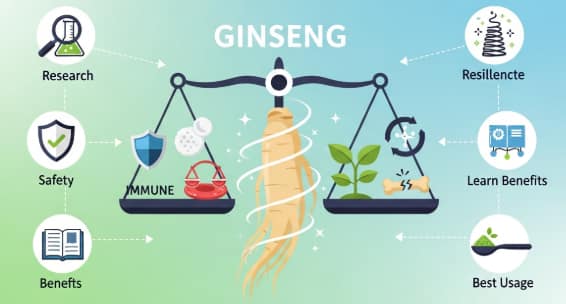
Ginseng for Improving Immune Response: Evidence-Based Benefits and Usage Guide
Ginseng for improving immune response has gained strong attention in the natural health field. Many people use it to support immune balance, energy, and recovery. While ginseng has been used in traditional Korean, Chinese, and Asian medicine for centuries, modern research continues to explore how it may help regulate immunity in a safe and evidence-based way.
This article explains how ginseng works in the immune system, explores clinical studies, compares types of ginseng, and provides usage guidance based on current scientific evidence.
Disclaimer: This content is for educational purposes only and is not a substitute for professional medical advice, diagnosis, or treatment.
How Ginseng Interacts With the Immune System
Research suggests that compounds in ginseng—especially ginsenosides and polysaccharides—may influence several immune responses in the body.
Studies from PubMed, the National Institutes of Health (NIH), and clinical trials suggest that ginseng may:
- Support immune cell production
- Enhance natural killer (NK) cell activity
- Help regulate inflammatory responses
- Support antibody response after stress or infection
These potential effects do not mean ginseng prevents or cures conditions. Instead, it may help support the body’s natural immune function.
Types of Ginseng and Their Immune Benefits
Not all ginseng types are the same. The most common varieties include:
1. Korean Red Ginseng (Panax ginseng)
- Traditionally used for vitality and immune resilience
- Rich in ginsenosides
- Often studied in immune and cognitive health research
2. American Ginseng (Panax quinquefolius)
- Generally considered milder
- May support stress balance and immune modulation
3. Siberian Ginseng (Eleutherococcus senticosus)
- Technically not true ginseng
- Contains eleutherosides instead of ginsenosides
- May act as an adaptogen
Research on Ginseng for Improving Immune Response
Several clinical studies suggest potential benefits:
- A randomized trial published by NIH found that Panax ginseng may enhance antibody response and support immune activity during stress.
- A review in the Journal of Ginseng Research reported that ginseng extract may support NK cell activity and adaptive immunity.
- Some studies suggest ginseng may support better immune balance following respiratory symptoms.
Because research is ongoing, more large-scale clinical studies are needed.
Potential Benefits of Ginseng for the Immune System
Possible benefits may include:
- Better immune cell communication
- Enhanced recovery after physical or emotional stress
- Improved resilience during seasonal immune challenges
- Antioxidant activity that may help protect cells from damage
Many users also report:
- Better focus
- Higher energy
- Reduced fatigue
These effects vary depending on individual health, dosage, and product quality.
How to Use Ginseng Safely
Forms Available
- Capsules
- Powders
- Teas
- Liquid extracts
- Fermented red ginseng
Suggested General Intake
Many supplements recommend 200–400 mg per day of standardized extract.
Always follow label instructions and speak with a healthcare professional before starting.
Who Should Avoid or Use With Caution
- Pregnant or breastfeeding women
- People with autoimmune conditions
- Individuals taking immune-suppressing medication
- Those using blood thinners
If you take medication, consult a medical professional before use.
Possible Side Effects
Most people tolerate ginseng well, but mild effects may occur:
- Headache
- Difficulty sleeping
- Digestive discomfort
- Nervousness
Reducing dose or switching to a different type may help.
Best Practices for Choosing Quality Ginseng
When shopping, look for:
- Clear ginsenoside content
- GMP-certified manufacturing
- Third-party lab testing
- Organic cultivation methods
Korean Red Ginseng with verified potency is often considered the best option for immune benefits.
Conclusion
Ginseng for improving immune response may help support the body’s natural defense system, especially during stress, fatigue, or seasonal changes. It offers promising potential, but should be used safely and with proper guidance. To make the best decision, speak with a healthcare professional before adding ginseng to your routine.
FAQ (Schema-Friendly)
1. Is ginseng safe for daily use?
Most research suggests ginseng is safe for short-term use. Long-term safety depends on individual health and dosage.
2. How long does it take to feel benefits?
Some people notice effects within 1–3 weeks. Others need longer depending on health status.
3. Can ginseng replace immune supplements or medication?
No. It supports immune health but does not replace medical treatment.
4. Which type is best for immunity?
Korean Red Ginseng is the most researched for immune support.
5. Can children take ginseng?
Not recommended unless advised by a healthcare professional.
🇰🇷 Premium Korean Ginseng Online Shop


