
Introduction
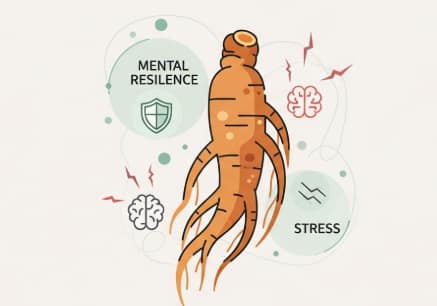
Burnout and persistent low motivation are common problems in modern life. Long work hours, chronic stress, and poor recovery drain mental energy. As a result, many people seek natural options that support resilience without harsh stimulation. Ginseng for burnout and low motivation has gained scientific interest because of its adaptogenic properties and long history in traditional medicine. This article explains what the evidence says, how ginseng works, and how to use it safely and responsibly.
This content follows evidence-based medical standards. It does not replace professional medical advice.
Understanding Burnout and Low Motivation
Burnout is not simple tiredness. Instead, it is a state of emotional, physical, and mental exhaustion. It often develops after long-term stress exposure. According to the World Health Organization (WHO), burnout includes three core components:
- Persistent exhaustion
- Mental distance or cynicism toward work
- Reduced professional efficacy
Low motivation often accompanies burnout. In many cases, neurochemical changes contribute to this state. Chronic stress can dysregulate cortisol, dopamine, and serotonin pathways. As a result, focus, drive, and emotional balance decline.
Therefore, addressing burnout requires more than rest alone. Nutritional support, lifestyle changes, and stress-modulating interventions may help restore balance.
What Is Ginseng? A Scientific Overview
Ginseng refers mainly to plants in the Panax genus. The most studied form is Panax ginseng, also called Korean or Asian ginseng. It contains active compounds known as ginsenosides.
These compounds influence several physiological systems, including:
- The hypothalamic-pituitary-adrenal (HPA) axis
- Neurotransmitter activity in the brain
- Immune and inflammatory pathways
Because of these effects, ginseng is classified as an adaptogen. Adaptogens help the body adapt to stress and maintain homeostasis.
Notably, the National Institutes of Health (NIH) recognizes Panax ginseng as one of the most researched herbal medicines worldwide.
Source: https://www.nccih.nih.gov/health/asian-ginseng
How Ginseng Supports Burnout and Mental Motivation
Stress Modulation and HPA Axis Balance
One key reason ginseng for burnout and low motivation is studied relates to stress regulation. Chronic stress overstimulates cortisol release. Over time, this leads to fatigue, irritability, and reduced mental drive.
Research shows that ginsenosides may help normalize cortisol responses. For example, animal and human studies suggest improved stress tolerance and reduced fatigue markers.
Source: https://pubmed.ncbi.nlm.nih.gov/26829042/
As a result, users often report improved mental stamina rather than sudden stimulation.
Cognitive Performance and Mental Energy
Low motivation often stems from impaired cognitive function. Brain fog, slow processing, and reduced attention worsen emotional fatigue.
Several randomized controlled trials indicate that Panax ginseng may support:
- Working memory
- Attention and reaction time
- Subjective mental clarity
A systematic review published in Journal of Ginseng Research found modest but consistent cognitive benefits, especially under stress conditions.
Source: https://www.ncbi.nlm.nih.gov/pmc/articles/PMC5452223/
Therefore, ginseng may support mental performance during demanding periods.
Dopamine Pathways and Motivation
Motivation is strongly linked to dopamine signaling. Chronic stress and burnout can blunt dopamine responsiveness. This reduces drive and reward perception.
Preclinical studies suggest that certain ginsenosides influence dopaminergic activity. While human data remain limited, early findings support a potential role in motivation support.
Importantly, ginseng does not act like stimulants. Instead, it supports regulatory balance. This makes it suitable for long-term use when supervised properly.
Clinical Evidence: What Studies Actually Show
It is important to avoid exaggerated claims. Ginseng is not a cure for burnout or depression. However, evidence supports its role as supportive care.
Key findings include:
- Reduced subjective fatigue scores in stressed adults
- Improved mental performance under cognitive load
- Better stress resilience over time
A double-blind study in Human Psychopharmacology showed improved mental fatigue after standardized ginseng extract use for several weeks.
Source: https://pubmed.ncbi.nlm.nih.gov/12577474/
These results support cautious optimism, not unrealistic expectations.
Korean Ginseng vs Other Types
Not all ginseng products are equal. Korean red ginseng is steamed and dried, which alters ginsenoside profiles.
Korean (Panax) Ginseng
- Strong evidence base
- Rich in Rg1, Rb1, and Rg3 ginsenosides
- Traditionally used for vitality and resilience
American Ginseng (Panax quinquefolius)
- Milder and more calming
- Often used for blood sugar regulation
For burnout and motivation, Korean ginseng is more commonly studied.
How to Use Ginseng Safely and Effectively
Typical Dosage Ranges
Clinical studies often use:
- 200–400 mg/day of standardized extract
- Or 1–2 g/day of dried root
However, dosage depends on extract strength and individual tolerance.
Best Timing
Many people take ginseng in the morning. This supports daytime energy without disrupting sleep. Avoid late-evening use.
Duration of Use
Most studies range from 4 to 12 weeks. Long-term use should include breaks and professional guidance.
Safety, Side Effects, and Medical Disclaimer
Ginseng is generally well tolerated. However, some people may experience:
- Headache
- Digestive discomfort
- Sleep disturbance if taken late
Ginseng may interact with:
- Anticoagulant medications
- Stimulants
- Certain antidepressants
This article is for educational purposes only. It is not a substitute for professional medical advice. Always consult a qualified healthcare provider before starting any herbal supplement.
Sources:
https://www.nccih.nih.gov/health/ginseng
https://www.who.int/publications/i/item/WHO-TRM-2019.1
Integrating Ginseng Into a Burnout Recovery Plan
Ginseng works best as part of a comprehensive strategy. Consider combining it with:
- Adequate sleep and circadian hygiene
- Balanced nutrition with sufficient protein
- Regular light exercise
- Stress management techniques
When used responsibly, ginseng for burnout and low motivation may support gradual recovery rather than quick fixes.
Choosing a High-Quality Korean Ginseng Product
Quality matters. Look for products that provide:
- Standardized ginsenoside content
- Transparent sourcing from Korea
- Third-party testing
Avoid products with exaggerated health claims. Evidence-based labeling reflects credibility.
Conclusion: A Natural Ally for Mental Resilience
Burnout can make you feel disconnected from your purpose. Low motivation can feel deeply personal and discouraging. While no supplement replaces rest, support, or professional care, ginseng offers a science-supported option for those seeking balance.
Korean ginseng has centuries of traditional use and growing modern evidence. When chosen carefully and used responsibly, it may help restore mental energy, clarity, and emotional resilience.
If you are ready to support your recovery naturally, consider premium Korean ginseng sourced with care and backed by quality standards. Your mind deserves sustainable strength, not temporary stimulation.
🇰🇷 Premium Korean Ginseng Online Shop


