
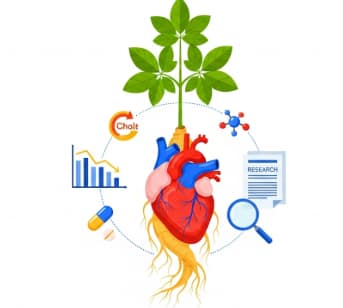
Maintaining healthy cholesterol levels is essential for long-term cardiovascular health. Many people now explore herbal supplements as support alongside lifestyle changes. One ingredient gaining attention is ginseng for cholesterol. Studies suggest certain compounds in ginseng may help regulate lipid levels, reduce oxidative stress, and support overall cardiovascular function. However, it is important to evaluate research carefully and understand safe usage before relying on supplements.
This article provides a clear, evidence-based overview of how ginseng may influence cholesterol levels, including benefits, mechanisms, dosage considerations, and safety guidelines.
What Is Ginseng?
Ginseng refers to the root of plants from the Panax genus, including:
- Korean Red Ginseng
- American Ginseng
- Siberian (Eleuthero) Ginseng — technically not “true ginseng,” but often included in discussions
Korean Red Ginseng is one of the most researched forms. It contains bioactive compounds known as ginsenosides, which appear to support metabolic and cardiovascular processes.
How Ginseng for Cholesterol Works: Mechanisms Explained
Several potential mechanisms may explain why ginseng could support healthier cholesterol levels:
- Regulates lipid metabolism
- Reduces oxidative stress
- Supports nitric oxide pathway for vascular health
- Modulates inflammation markers associated with high LDL levels
A randomized controlled trial published in the Journal of Ginseng Research found that Korean Red Ginseng supplementation was associated with a reduction in LDL cholesterol and improvement in arterial function in selected participants. (Source suggestion: https://www.ncbi.nlm.nih.gov/pmc/articles/PMC3617807/)
While research is still growing, these findings encourage further study, especially in populations with borderline or high cholesterol.
Benefits of Ginseng for Cholesterol
Using ginseng for cholesterol may provide several potential benefits when combined with diet and lifestyle improvements. These include:
1. LDL Reduction
Some studies suggest that ginseng may help reduce LDL cholesterol, commonly known as “bad cholesterol,” by modulating liver processes and fat absorption.
2. Improved HDL Levels
HDL cholesterol helps remove excess fat from blood vessels. Early data supports the possibility that ginseng may assist in improving HDL levels over time.
3. Antioxidant Support
Ginseng contains antioxidants that protect cells from damage caused by free radicals. Oxidative stress contributes to plaque buildup in arteries.
4. Anti-inflammatory Effects
Chronic inflammation may worsen cholesterol imbalance. Ginseng may help lower inflammatory markers linked to cardiovascular risk.
Although evidence is promising, individual results vary. Research continues to expand, and ginseng should not replace medical treatment.
Best Ways to Take Ginseng for Cholesterol
There are several common forms:
| Form | Example Use | Notes |
|---|---|---|
| Capsules | Supplements for daily use | Convenient and standardized |
| Powder | Added to smoothies or warm drinks | May vary in potency |
| Liquid extract | Fast absorption | Can be concentrated |
| Tea | Mild effects | Good for beginners |
| Korean Red Ginseng sticks | Modern form of intake | Easy daily dose |
Typical dosage:
Research often uses 200–3,000 mg per day, depending on the formulation. A healthcare provider should help determine exact dosage based on medical history.
Safety and Precautions
Ginseng is generally considered safe, but some individuals should use caution. Possible mild side effects may include:
- Digestive discomfort
- Headache
- Trouble sleeping (when taken late)
Avoid combining ginseng with:
- Blood thinners (e.g., warfarin)
- Diabetes medications without supervision
- High-dose caffeine
Pregnant or breastfeeding individuals should consult a healthcare professional before use.
Who Should Consider Ginseng for Cholesterol?
You may consider ginseng if you:
- Have mildly elevated cholesterol
- Are looking for natural support alongside lifestyle changes
- Prefer herbal approaches under medical guidance
Ginseng can be one part of a larger health strategy that includes:
- A fiber-rich diet
- Regular physical activity
- Limiting sugary and processed foods
- Adequate sleep and stress management
Frequently Asked Questions (FAQ)
1. How long does it take to see results?
Some studies show changes in lipid levels after 6–12 weeks, but timing varies depending on dosage, health status, and product quality.
2. Can ginseng replace cholesterol medication?
No. Ginseng is supportive, not a replacement. Always follow medical recommendations.
3. Is Korean Red Ginseng better than other forms?
Korean Red Ginseng is highly researched and often preferred in clinical studies, though other forms may also be useful.
4. Can I combine ginseng with omega-3 supplements?
Yes, in many cases. However, discuss with a doctor if you take medications.
Conclusion
Using ginseng for cholesterol may provide natural support for heart and metabolic health when combined with balanced nutrition, exercise, and medical care. Research suggests potential benefits for improving HDL, lowering LDL, and supporting vascular health. Although promising, it is not a standalone treatment.
Before starting any new supplement, speak with a qualified healthcare professional, especially if you take medications or have underlying medical conditions.
This article is for educational purposes only and is not a substitute for professional medical advice, diagnosis, or treatment.
🇰🇷 Premium Korean Ginseng Online Shop


