
Introduction
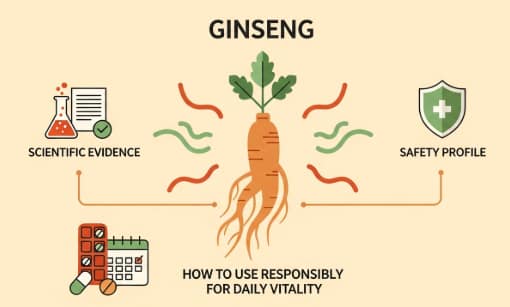
Ginseng for energy support has been used for centuries in traditional medicine systems, especially in East Asia. Today, modern research increasingly explores its role in supporting physical and mental energy. Importantly, energy support does not mean stimulation in the same way as caffeine. Instead, ginseng is studied for its adaptogenic properties, which may help the body manage fatigue and stress more effectively. This article reviews the scientific evidence, safety considerations, and practical guidance, while aligning with current medical standards.
What Is Ginseng? A Medical and Botanical Overview
Ginseng refers primarily to plants in the Panax genus. The term Panax comes from Greek, meaning “all-healing,” though such claims must be interpreted cautiously.
The most studied types include:
- Panax ginseng (Korean or Asian ginseng)
- Panax quinquefolius (American ginseng)
Both varieties contain active compounds known as ginsenosides, which are believed to influence energy metabolism, immune response, and stress regulation.
According to the National Center for Complementary and Integrative Health (NCCIH), ginseng is among the most researched herbal supplements worldwide. However, effects vary depending on species, preparation, dose, and individual health status.
Source: https://www.nccih.nih.gov
How Ginseng for Energy Support Works in the Body
Unlike stimulants, ginseng does not directly increase heart rate or cause sudden alertness. Instead, research suggests several indirect mechanisms.
1. Modulation of the Stress Response
Ginseng is classified as an adaptogen. Adaptogens may help regulate the hypothalamic-pituitary-adrenal (HPA) axis. This system controls how the body responds to stress. Improved stress regulation can reduce perceived fatigue.
2. Support for Cellular Energy Production
Some studies suggest ginsenosides may influence mitochondrial activity. Mitochondria are responsible for ATP production, the body’s primary energy currency.
3. Effects on Mental Fatigue
Clinical trials have examined ginseng’s potential role in reducing mental exhaustion. Improved cognitive endurance may contribute to better overall energy levels during demanding tasks.
A review published in Journal of Ginseng Research highlights these mechanisms while emphasizing that effects are moderate and supportive, not curative.
Source: https://www.sciencedirect.com/journal/journal-of-ginseng-research
Scientific Evidence: What Clinical Studies Say
Evidence for ginseng for energy support comes from human trials, systematic reviews, and observational studies.
Key Findings from Research
- A randomized controlled trial published in PLOS One found reduced fatigue scores in participants taking Panax ginseng compared to placebo.
https://journals.plos.org/plosone - The National Institutes of Health (NIH) notes that some evidence supports ginseng’s role in reducing fatigue, especially in people with chronic stress or illness-related tiredness.
https://ods.od.nih.gov - A meta-analysis in Complementary Therapies in Medicine concluded that ginseng may modestly improve energy and physical performance. However, results varied across studies.
https://www.sciencedirect.com/journal/complementary-therapies-in-medicine
Importantly, no credible authority claims that ginseng treats disease-related fatigue without medical supervision.
Comparing Ginseng with Other Energy-Supporting Options
Many people compare ginseng with caffeine or synthetic energy supplements. The differences are clinically relevant.
Ginseng vs. Caffeine
- Ginseng supports long-term energy balance
- Caffeine provides rapid stimulation
- Ginseng has lower risk of jitteriness
- Caffeine may disrupt sleep patterns
Ginseng vs. B-Complex Vitamins
- Ginseng works through stress modulation
- B vitamins support metabolic pathways
- Both may complement each other when used appropriately
This comparison highlights why ginseng is often chosen for sustainable energy support rather than immediate stimulation.
Safety, Dosage, and Who Should Be Cautious
Safety is central to any discussion of herbal medicine.
General Safety Profile
According to the World Health Organization (WHO), Panax ginseng is generally well tolerated when used short-term and at recommended doses.
https://www.who.int
Commonly Studied Dosages
- 200–400 mg standardized extract daily
- Short cycles of 8–12 weeks are often recommended
Possible Side Effects
- Headache
- Digestive discomfort
- Sleep disturbance if taken late
Who Should Consult a Healthcare Professional First
- Pregnant or breastfeeding individuals
- People with autoimmune conditions
- Those taking anticoagulants or diabetes medication
This article does not replace professional medical advice. Always consult a qualified healthcare provider before starting supplements.
Choosing Quality Ginseng Products
Quality strongly influences safety and effectiveness.
What to Look For
- Standardized ginsenoside content
- Third-party testing
- Transparent sourcing
Organizations such as USP (United States Pharmacopeia) provide guidelines for supplement quality.
https://www.usp.org
Avoid products that promise instant or extreme energy results. Such claims often lack scientific basis.
Practical Tips for Using Ginseng for Energy Support
To use ginseng for energy support responsibly, consider the following:
- Take it earlier in the day
- Avoid combining with high caffeine intake
- Monitor how your body responds
- Use it as part of a balanced lifestyle
Adequate sleep, nutrition, and physical activity remain the foundation of healthy energy levels.
Frequently Asked Questions (FAQ)
Is ginseng safe for daily use?
Short-term daily use is generally considered safe for healthy adults. Long-term use should be supervised.
How long does it take to feel effects?
Some people notice changes within two weeks. Others may require longer.
Can ginseng replace sleep or rest?
No. Ginseng supports energy regulation but does not replace sleep.
Is Korean ginseng stronger than American ginseng?
Korean ginseng contains different ginsenoside profiles. Strength depends on the intended use.
Does ginseng work for everyone?
Responses vary. Genetics, health status, and dosage all influence results.
Conclusion
Ginseng for energy support is supported by growing scientific evidence when used responsibly. It offers a non-stimulant approach to managing fatigue through stress regulation and cellular support. However, it is not a cure and should be integrated thoughtfully into a healthy lifestyle. Consulting healthcare professionals ensures safe and appropriate use.
Read also: Naturally Boost Energy: Evidence-Based Ways to Improve Stamina and Daily Vitality
🇰🇷 Premium Korean Ginseng Online Shop


