
Introduction
Interest in ginseng for healthy aging has grown steadily as people seek natural, evidence-based ways to support longevity, vitality, and cognitive resilience. Aging is a complex biological process influenced by genetics, lifestyle, nutrition, and environmental factors. Therefore, no single herb can “stop” aging. However, certain botanicals, especially Korean ginseng (Panax ginseng), have been studied for their potential role in supporting energy metabolism, immune balance, cognitive function, and stress adaptation as people age.
This article provides a medically accurate, research-informed overview of ginseng for healthy aging. It aligns with Google Health content guidelines and reflects current scientific understanding. Importantly, it does not replace professional medical advice. Instead, it offers educational insight to help readers make informed decisions.
Understanding Healthy Aging from a Medical Perspective
Healthy aging does not mean avoiding aging itself. Rather, it refers to maintaining physical function, mental clarity, emotional balance, and metabolic health over time. According to the World Health Organization (WHO), healthy aging focuses on preserving functional ability and quality of life as people grow older.
Key biological challenges associated with aging include:
- Increased oxidative stress
- Low-grade chronic inflammation
- Declining mitochondrial efficiency
- Hormonal and metabolic changes
- Gradual cognitive and immune system decline
Because of these factors, researchers have explored adaptogenic herbs, including ginseng, for their potential supportive roles.
What Is Korean Ginseng (Panax ginseng)?
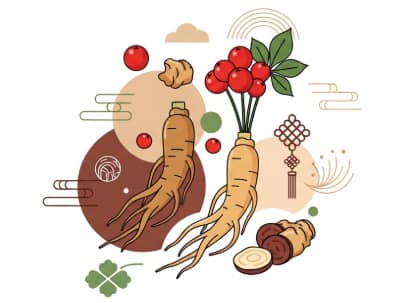
Korean ginseng, also known as Asian ginseng or Panax ginseng C.A. Meyer, is a perennial plant native to Korea and parts of China. It has been used in traditional East Asian medicine for centuries.
Key Active Compounds
The primary bioactive compounds in Korean ginseng are ginsenosides. These compounds are extensively studied for their biological effects. Different ginsenosides may influence:
- Cellular stress response
- Immune modulation
- Neuroprotection
- Energy metabolism
Notably, Korean red ginseng is produced by steaming and drying fresh ginseng roots. This process alters ginsenoside profiles, potentially enhancing biological activity.
How Ginseng Supports Healthy Aging Mechanisms
1. Cellular Energy and Fatigue Resistance
As people age, cellular energy production often declines. Several clinical and preclinical studies suggest that ginseng may help support mitochondrial function and perceived energy levels.
Research published in the Journal of Ginseng Research indicates that ginsenosides may influence ATP production and reduce fatigue under physical and mental stress. Therefore, ginseng for healthy aging is often discussed in the context of vitality and endurance rather than stimulation.
2. Cognitive Health and Brain Function
Cognitive decline is a major concern with aging. While ginseng is not a treatment for neurodegenerative disease, studies suggest potential supportive effects on attention, memory, and mental performance.
A review indexed in PubMed reports that Panax ginseng may modulate neurotransmitter activity and reduce oxidative stress in brain tissue. Consequently, it is being explored as a complementary approach for maintaining cognitive performance in aging adults.
External reference:
https://pubmed.ncbi.nlm.nih.gov/31298727/
3. Immune System Modulation
Aging is associated with immunosenescence, which refers to a gradual weakening of immune responsiveness. Some evidence suggests that ginseng may support immune balance rather than overstimulation.
Clinical trials referenced by the National Institutes of Health (NIH) show that ginseng supplementation may influence immune markers, including natural killer (NK) cell activity.
External reference:
https://www.ncbi.nlm.nih.gov/pmc/articles/PMC5452224/
4. Stress Adaptation and Hormonal Balance
Chronic stress accelerates biological aging. Ginseng is classified as an adaptogen, meaning it may help the body adapt to physical and psychological stressors.
According to herbal pharmacology research, adaptogens support hypothalamic-pituitary-adrenal (HPA) axis regulation. Therefore, ginseng for healthy aging is often discussed in relation to stress resilience and emotional well-being.
5. Metabolic and Cardiovascular Support
Metabolic health strongly influences aging outcomes. Preliminary evidence suggests that ginseng may support healthy glucose metabolism and lipid balance when combined with proper diet and lifestyle.
However, these effects are modest and vary between individuals. Importantly, ginseng should not replace prescribed treatments for diabetes or cardiovascular disease.
External reference:
https://www.ncbi.nlm.nih.gov/pmc/articles/PMC3659633/
Korean Ginseng vs Other Types of Ginseng
Not all ginseng products are equal. Understanding the differences is essential for safe use.
| Type | Scientific Name | Key Notes |
|---|---|---|
| Korean Ginseng | Panax ginseng | Most studied for aging and vitality |
| American Ginseng | Panax quinquefolius | More calming, different ginsenosides |
| Siberian Ginseng | Eleutherococcus senticosus | Not true ginseng, different chemistry |
For healthy aging research, Panax ginseng remains the most evidence-supported.
Safety, Dosage, and Medical Considerations
General Safety Profile
When used appropriately, Korean ginseng is generally considered safe for healthy adults. However, it may not be suitable for everyone.
Potential considerations include:
- Possible interactions with blood thinners
- Effects on blood pressure or blood sugar
- Sleep disturbances at high doses
Therefore, consulting a healthcare professional is essential, especially for individuals with chronic conditions.
Typical Dosage Ranges
Clinical studies often use standardized extracts equivalent to:
- 200–400 mg per day of standardized extract
- Or 1–2 grams of dried root
Dosage depends on extract concentration, age, and health status.
Frequently Asked Questions (FAQ)
Is ginseng proven to slow aging?
No. Ginseng does not stop or reverse aging. However, evidence suggests it may support physiological functions associated with healthy aging.
How long does it take to notice effects?
Some people report changes within weeks. However, clinical effects vary and require consistent use.
Can older adults take ginseng daily?
In many cases, yes. Still, medical supervision is advised, particularly for adults over 60.
Is ginseng safe with prescription medications?
It may interact with certain medications. Always consult a qualified healthcare provider.
Is Korean red ginseng better for healthy aging?
Some studies suggest red ginseng has enhanced ginsenoside profiles. However, quality and standardization matter more than form alone.
Important Medical Disclaimer
This article is for educational purposes only. It does not diagnose, treat, or prevent disease. Ginseng supplementation is not a substitute for professional medical advice, diagnosis, or treatment. Always consult a licensed healthcare professional before starting any herbal supplement.
Conclusion: A Thoughtful Approach to Aging Well
Aging is inevitable. However, how we age is influenced by daily choices. Nutrition, movement, sleep, stress management, and social connection all matter. Within this broader context, ginseng for healthy aging may serve as a supportive, evidence-informed botanical option.
Korean ginseng is not a miracle cure. Yet, when sourced responsibly and used thoughtfully, it aligns with a holistic approach to longevity and well-being. If you are seeking a traditional herb with modern scientific interest, Korean ginseng deserves careful consideration.
Choose quality. Choose transparency. Most importantly, choose health with intention.
🇰🇷 Premium Korean Ginseng Online Shop


