Introduction
Ginseng for healthy circulation has attracted growing attention in modern preventive health. Many people seek natural ways to support blood flow, oxygen delivery, and cardiovascular resilience. Circulation plays a central role in energy levels, brain performance, and overall vitality. Therefore, any intervention must be safe, evidence-based, and clearly explained. This article reviews ginseng through the lens of clinical research, traditional herbal medicine, and current health guidelines. The goal is to help readers make informed decisions while respecting medical best practices.
Understanding Healthy Circulation
Healthy circulation allows blood to deliver oxygen and nutrients to every tissue. At the same time, it removes metabolic waste. When circulation weakens, symptoms often appear gradually.
Common signs of impaired circulation include:
- Cold hands or feet
- Fatigue during mild activity
- Muscle cramps
- Slow wound healing
- Reduced mental clarity
Several factors influence circulation. These include age, physical activity, diet, smoking, metabolic health, and vascular function. Consequently, lifestyle measures remain the foundation of care. However, certain botanicals may support these efforts when used responsibly.
What Is Ginseng? A Brief Scientific Overview
Ginseng refers primarily to Panax species. The most studied varieties include Panax ginseng (Korean ginseng) and Panax quinquefolius (American ginseng). Korean ginseng is especially valued in traditional East Asian medicine for vitality and circulatory balance.
The primary active compounds are ginsenosides. These phytochemicals interact with multiple physiological pathways. Research shows they influence nitric oxide production, inflammation, and endothelial function. As a result, ginseng is often studied for cardiovascular and metabolic support.
Authoritative institutions such as the National Institutes of Health (NIH) recognize ginseng as one of the most researched medicinal herbs.
Reference: https://www.ncbi.nlm.nih.gov/pmc/articles/PMC5452224/
How Ginseng for Healthy Circulation Works
Effects on Blood Vessels and Endothelial Function
The endothelium lines blood vessels and regulates vascular tone. When endothelial function declines, vessels lose flexibility. This increases cardiovascular strain.
Studies suggest that ginseng supports endothelial health by:
- Enhancing nitric oxide synthesis
- Reducing oxidative stress
- Improving vasodilation response
Nitric oxide helps blood vessels relax. Therefore, improved nitric oxide availability supports smoother blood flow. This mechanism explains why ginseng is often linked to circulation support.
Influence on Inflammation and Oxidative Stress
Chronic low-grade inflammation can impair circulation. Oxidative stress damages vascular tissue over time. Ginsenosides demonstrate antioxidant properties in laboratory and human studies.
According to PubMed-indexed research, ginseng compounds may reduce inflammatory markers related to vascular dysfunction.
Reference: https://pubmed.ncbi.nlm.nih.gov/31556792/
Scientific Evidence Supporting Ginseng for Healthy Circulation
Clinical research continues to evolve. However, several findings are relevant.
Key evidence includes:
- Randomized trials showing improved blood flow markers
- Studies indicating better arterial flexibility
- Observed support for peripheral circulation in adults
A review published in Journal of Ginseng Research highlights ginseng’s role in vascular regulation. The authors emphasize its multi-target effects rather than single-drug action.
Reference: https://www.sciencedirect.com/science/article/pii/S1226845317300843
Importantly, these studies do not frame ginseng as a cure. Instead, they position it as a supportive botanical within a healthy lifestyle.
Korean Ginseng vs. Other Circulation Supplements
Many supplements claim to improve circulation. These include omega-3 fatty acids, garlic extract, and cocoa flavanols. Each works through different mechanisms.
Korean ginseng stands out because:
- It supports both vascular tone and energy metabolism
- It has centuries of documented traditional use
- It is supported by modern pharmacological research
However, combination approaches often work best. For example, ginseng paired with exercise and balanced nutrition yields stronger outcomes than supplementation alone.
Safety, Dosage, and Who Should Be Cautious
Ginseng is generally well tolerated when used correctly. Nevertheless, safety always comes first.
General safety considerations:
- Typical doses range from 200–400 mg of standardized extract
- Long-term continuous use should be monitored
- Cycling use is often recommended
Who should consult a healthcare professional first:
- Individuals with cardiovascular disease
- People taking blood pressure or anticoagulant medications
- Pregnant or breastfeeding women
The World Health Organization (WHO) advises that herbal medicines should complement, not replace, standard medical care.
Reference: https://www.who.int/publications/i/item/WHO-EDM-TRM-2004.1
This article does not replace professional medical advice.
How to Choose High-Quality Ginseng Products
Quality matters greatly. Not all ginseng products are equal.
When selecting ginseng for healthy circulation, look for:
- Clearly labeled Panax ginseng species
- Standardized ginsenoside content
- Transparent sourcing and manufacturing
- Third-party testing
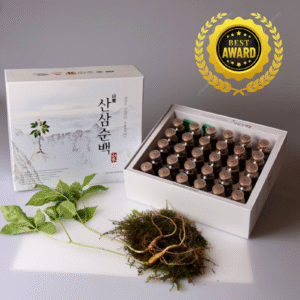
Korean red ginseng is often preferred due to its processing method. Steaming alters ginsenoside profiles, which may enhance bioavailability.
Practical Ways to Support Circulation Alongside Ginseng
Ginseng works best within a comprehensive health strategy.
Key supportive habits include:
- Regular aerobic movement
- Adequate hydration
- Balanced intake of antioxidants
- Stress management
These measures improve vascular health directly. Ginseng then acts as a supportive adjunct rather than a standalone solution.
Frequently Asked Questions (FAQ)
Is ginseng for healthy circulation safe for daily use?
In most adults, short- to moderate-term use is considered safe. Medical guidance is recommended for long-term use.
How long does it take to notice circulation benefits?
Effects vary. Some users notice changes within weeks, while others require consistent use for several months.
Can ginseng replace blood circulation medication?
No. Ginseng does not replace prescribed medication. It may support overall vascular wellness under professional supervision.
Is Korean ginseng better than American ginseng for circulation?
Korean ginseng is more stimulating and often studied for vascular effects. American ginseng has milder properties.
Conclusion: Why Ginseng Deserves Consideration
Healthy circulation underpins every system in the body. Scientific evidence suggests that ginseng for healthy circulation offers meaningful support through vascular, antioxidant, and metabolic pathways. When chosen carefully and used responsibly, ginseng aligns well with modern integrative health strategies.
For readers seeking a premium botanical with both traditional credibility and scientific validation, Korean ginseng stands out. Investing in high-quality ginseng products is not just a supplement choice. It is a long-term commitment to vascular resilience, daily vitality, and preventive wellness.
🇰🇷 Premium Korean Ginseng Online Shop