
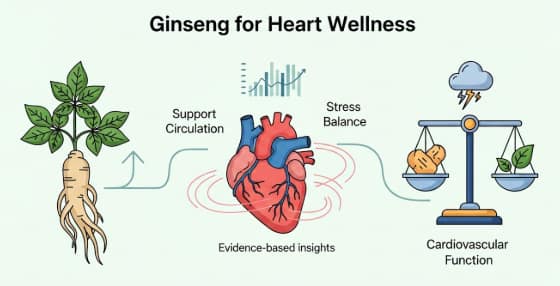
Maintaining a healthy heart requires consistent lifestyle choices. Many people search for natural options that may complement heart-focused habits. One herbal ingredient that frequently appears in health discussions is ginseng for heart wellness. Although ginseng is not a cure or medical treatment, several studies suggest it may offer supportive benefits when used responsibly.
This article explores how ginseng may influence cardiovascular function, what research says, its potential advantages, safety considerations, and how to use it wisely. All information here follows evidence-based medical standards and should not replace professional medical advice.
What Is Ginseng and Why It Relates to Heart Wellness?
Ginseng is a traditional medicinal herb with a long history in East Asian and North American practices. The two most studied forms are:
- Panax ginseng (Korean/Asian ginseng)
- Panax quinquefolius (American ginseng)
Both varieties contain ginsenosides, the primary bioactive compounds studied for their potential cardiovascular actions. Because of these compounds, interest in ginseng for heart wellness continues to grow, especially among researchers focusing on natural cardioprotective agents.
How Ginseng May Support Heart Wellness: Evidence-Based Insights
Below are the most studied ways ginseng may influence heart-related wellness. These points reflect existing research but do not make treatment claims.
1. Possible Support for Healthy Blood Circulation
Some studies suggest that ginseng may help promote nitric oxide production. Nitric oxide allows blood vessels to relax, which may support healthy circulation. Improved circulation can help the heart pump more efficiently.
- A clinical study published in the Journal of Ginseng Research discussed ginseng’s potential contribution to endothelial function:
https://www.ncbi.nlm.nih.gov/pmc/articles/PMC3615835/
2. Antioxidant Activity That May Protect Cells
Oxidative stress can disrupt normal cardiovascular function. Ginseng contains compounds that act as antioxidants. These antioxidants may help reduce cellular stress, which plays a role in long-term heart wellness.
- Research from the National Institutes of Health (NIH) highlighted ginsenosides’ antioxidant properties:
https://pubmed.ncbi.nlm.nih.gov/32588963/
3. Potential Role in Stress Balance
Chronic stress can affect heart rhythm, blood pressure, and overall cardiovascular balance. Traditional practices often use ginseng as an adaptogen, meaning it may help the body respond to stress more effectively.
Although evidence is still developing, some early studies showed positive trends in stress modulation, which may indirectly support ginseng for heart wellness.
4. May Support Healthy Cholesterol Levels
Research suggests that some ginseng extracts may support maintenance of normal lipid levels. These effects vary among individuals and should never replace medically prescribed therapy.
- A small controlled trial reported potential improvement in LDL management when combined with healthy diet habits:
https://pubmed.ncbi.nlm.nih.gov/10890004/
5. Potential Support for Energy and Physical Endurance
Heart wellness is strongly linked to physical activity. Some studies indicate that ginseng may support energy metabolism, which may help people maintain consistent exercise routines. Regular movement is a key pillar of cardiovascular health.
Comparing Korean and American Ginseng for Heart Wellness
| Feature | Korean Ginseng | American Ginseng |
|---|---|---|
| Primary Effect | Energizing | Calming |
| Notable Ginsenosides | Rg1, Rb1 | Re, Rb1 |
| Traditional Use | Stamina, circulation | Stress support |
| Potential Heart-Relevant Benefit | May enhance nitric oxide response | May improve stress balance |
Both types can play a role in ginseng for heart wellness, but their effects differ slightly. Always choose a type that aligns with your personal wellness goals and your healthcare provider’s guidance.
How to Use Ginseng Safely for Heart Wellness
Because ginseng interacts with cardiovascular function, safety is crucial. Follow these guidelines:
1. Choose Standardized Extracts
Look for products with standardized ginsenoside content, typically 3–7%. Standardization ensures consistent quality.
2. Start With a Low Dose
Most studies use 200–400 mg of standardized extract per day. Begin on the lower end unless otherwise advised by your healthcare provider.
3. Monitor Blood Pressure and Blood Sugar
Ginseng may influence blood pressure and glucose levels. People with hypertension, diabetes, or heart conditions should consult a clinician before using it.
4. Avoid Long-Term Continuous Use
Cycles of 2–3 months followed by a break are often recommended in herbal practice. Long-term continuous use may reduce effectiveness.
5. Avoid Combining With Certain Medications
Ginseng may interact with:
- Anticoagulants (e.g., warfarin)
- Antihypertensive drugs
- Blood sugar medications
- Stimulants
Always check with a healthcare professional before use.
Lifestyle Tips to Complement Ginseng for Heart Wellness
Herbs work best as part of a holistic routine. Consider combining ginseng with these heart-healthy habits:
- Eat more leafy greens and fiber-rich foods.
- Exercise at least 30 minutes daily.
- Practice stress-reducing activities like meditation.
- Maintain healthy sleep patterns.
- Avoid tobacco and limit alcohol.
These habits create a strong foundation for overall heart wellness.
Possible Side Effects of Ginseng
Most people tolerate ginseng well. However, some effects may occur:
- Difficulty sleeping
- Digestive discomfort
- Headaches
- Increased heart rate (in sensitive individuals)
Discontinue use and seek medical advice if symptoms appear.
Conclusion: Should You Consider Ginseng for Heart Wellness?
Ginseng is a well-studied herb with promising cardiovascular-supportive properties. Research suggests potential benefits related to circulation, oxidative balance, stress response, and general vitality. Even so, ginseng for heart wellness should be used as a complementary approach, not as a substitute for medical evaluation or treatment.
If you have existing heart conditions, medications, or health concerns, always consult a healthcare professional before starting ginseng.
FAQ (Schema-Friendly)
1. Is ginseng good for the heart?
Ginseng may support cardiovascular wellness through antioxidant activity and circulation support. However, it does not treat heart disease and should be used responsibly.
2. Can ginseng lower blood pressure?
Some studies show mild blood pressure effects, but results vary. People on blood pressure medications should consult a clinician.
3. How much ginseng should I take for heart wellness?
Daily doses of 200–400 mg of standardized extract are common in research. Always follow medical guidance.
4. Is ginseng safe for people with heart conditions?
It can be safe for some individuals, but interactions with medication are possible. A healthcare professional must be consulted before use.
5. Can I take ginseng every day?
Daily use may be acceptable for short periods. Herbal practitioners often recommend cycling to maintain effectiveness.
🇰🇷 Premium Korean Ginseng Online Shop


