
Introduction
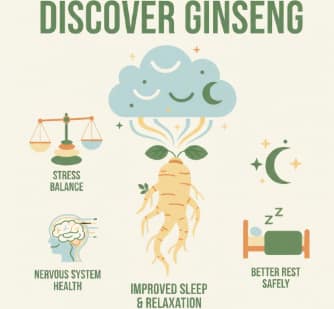
Ginseng for improving sleep quality and relaxation has gained increasing attention in integrative and functional medicine. Many people struggle with poor sleep, chronic stress, and difficulty relaxing, despite lifestyle changes or conventional treatments. Therefore, interest in herbal adaptogens such as ginseng continues to grow. Traditionally used in East Asian medicine for centuries, ginseng is now being studied for its effects on stress regulation, nervous system balance, and sleep quality. This article explores the scientific evidence, mechanisms, safety considerations, and practical guidance for using ginseng responsibly to support restful sleep and relaxation.
Understanding Sleep Quality and Relaxation
Sleep quality is not only about duration. It also includes how quickly you fall asleep, how often you wake during the night, and how refreshed you feel in the morning. Poor sleep often links to stress, anxiety, hormonal imbalance, and nervous system dysregulation.
Key Factors That Affect Sleep
- Stress and elevated cortisol levels
- Overactive sympathetic nervous system
- Poor circadian rhythm regulation
- Inflammation and oxidative stress
- Blood sugar instability
Because these factors interact, natural interventions that support balance rather than sedation may offer long-term benefits.
What Is Ginseng? A Brief Scientific Overview
Ginseng refers mainly to plants from the Panax genus. The most studied forms include:
- Panax ginseng (Korean ginseng)
- Panax quinquefolius (American ginseng)
The name Panax means “all-healing,” reflecting its traditional use as a tonic herb. Modern research focuses on its active compounds, called ginsenosides.
Active Compounds in Ginseng
- Ginsenosides (Rb1, Rg1, Rg3, Rh1)
- Polysaccharides
- Peptides and polyacetylenes
These compounds influence the hypothalamic-pituitary-adrenal (HPA) axis, neurotransmitters, and inflammatory pathways.
How Ginseng Supports Sleep and Relaxation
1. Regulation of Stress Hormones
Chronic stress disrupts sleep by raising cortisol levels. Ginseng acts as an adaptogen, meaning it helps the body respond to stress more effectively.
Studies published in PubMed suggest ginseng may modulate cortisol secretion and improve stress resilience. As a result, the nervous system becomes more balanced, supporting relaxation before sleep.
Source: https://pubmed.ncbi.nlm.nih.gov/21985253/
2. Effects on the Central Nervous System
Ginsenosides interact with key neurotransmitters, including:
- GABA (gamma-aminobutyric acid)
- Serotonin
- Dopamine
GABA is especially important for calming the brain. By supporting GABAergic activity, ginseng may help reduce mental hyperarousal, a common cause of insomnia.
3. Improvement of Sleep Architecture
Sleep architecture refers to the structure of sleep stages, including REM and deep sleep. Animal and human studies suggest ginseng may:
- Increase non-REM sleep
- Improve sleep continuity
- Reduce nighttime awakenings
A study in Journal of Ginseng Research reported improved sleep efficiency in participants using standardized ginseng extract.
Source: https://www.journals.elsevier.com/journal-of-ginseng-research
Ginseng vs Other Herbs for Sleep
Unlike sedative herbs, ginseng works by restoring balance rather than forcing sleep.
| Herb | Primary Action | Best Use |
|---|---|---|
| Ginseng | Adaptogenic, stress regulation | Chronic stress-related sleep issues |
| Valerian | Sedative | Short-term insomnia |
| Chamomile | Mild calming | Occasional sleep difficulty |
| Ashwagandha | Cortisol reduction | Anxiety-driven insomnia |
Therefore, ginseng for improving sleep quality and relaxation may suit people who feel tired but wired.
Scientific Evidence Supporting Ginseng for Sleep
Human Clinical Studies
- NIH-supported research indicates ginseng improves subjective sleep quality and daytime alertness.
- Korean studies show reduced fatigue and improved relaxation scores in adults using red ginseng.
NIH resource:
https://www.nccih.nih.gov/health/asian-ginseng
WHO monograph on medicinal plants also recognizes ginseng’s adaptogenic properties.
https://apps.who.int/iris/handle/10665/42052
Best Types of Ginseng for Sleep Support
Not all ginseng products are equal.
Recommended Forms
- Korean Red Ginseng (steamed and dried, higher ginsenoside stability)
- Standardized extracts (3–7% ginsenosides)
- Low-dose capsules or teas
Forms to Use With Caution
- High-dose energy drinks
- Concentrated stimulatory blends
Proper dosage and timing matter greatly.
How to Use Ginseng Safely for Better Sleep
Timing Matters
- Take ginseng earlier in the day or late afternoon
- Avoid use close to bedtime unless advised by a professional
Typical Dosage
- 200–400 mg standardized extract daily
- Or 1–2 grams dried root
Always start with a lower dose.
Safety, Side Effects, and Contraindications
Ginseng is generally safe when used responsibly. However, some people may experience:
- Mild headaches
- Digestive discomfort
- Sleep disturbance at high doses
Who Should Consult a Doctor First
- Pregnant or breastfeeding women
- People with autoimmune conditions
- Those taking antidepressants or blood pressure medication
This content is not a substitute for professional medical advice. Always consult a qualified healthcare provider before starting herbal supplements.
Integrating Ginseng Into a Sleep-Support Routine
For best results, combine ginseng with healthy sleep habits:
- Consistent sleep schedule
- Reduced evening screen exposure
- Balanced blood sugar
- Stress management practices
Ginseng works best as part of a holistic lifestyle.
Conclusion
Ginseng for improving sleep quality and relaxation offers a science-backed, holistic approach for people struggling with stress-related sleep problems. Rather than acting as a sedative, ginseng supports nervous system balance, stress regulation, and sleep architecture. When used correctly and responsibly, it may enhance relaxation and restorative sleep. However, individualized guidance remains essential for safety and effectiveness.
Frequently Asked Questions (FAQ)
Is ginseng good for insomnia?
Ginseng may help insomnia linked to stress or fatigue. It does not act as a sleeping pill.
Can ginseng make sleep worse?
At high doses or taken late, it may feel stimulating for some people.
How long does it take to work?
Benefits often appear after 2–4 weeks of consistent use.
Is ginseng safe for long-term use?
Short cycles with breaks are generally recommended. Consult a professional.
Can I combine ginseng with other sleep supplements?
Yes, but professional guidance is advised to avoid interactions.
🇰🇷 Premium Korean Ginseng Online Shop


