
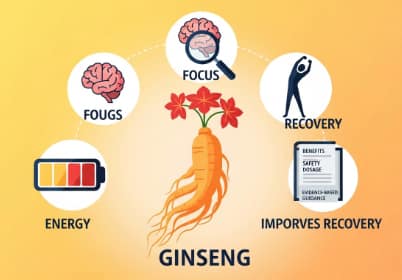
Fatigue that lasts weeks or months can affect productivity, mood, and overall well-being. Many people explore natural remedies to support energy levels, and one popular herbal option is ginseng for managing chronic fatigue. This herb has been used in Traditional Chinese Medicine for over 2,000 years. Today, research continues to explore its potential for supporting energy, reducing inflammation, and improving brain function.
This article examines how ginseng may help, the scientific evidence, recommended forms, dosage considerations, safety guidance, and when to seek medical advice.
⭐ What Is Chronic Fatigue?
Chronic fatigue is persistent tiredness that does not improve with sleep or rest. It may be related to:
- Stress or burnout
- Sleep disorders
- Viral infections
- Poor diet
- Hormonal imbalance
- Underlying health conditions
Some individuals experience Chronic Fatigue Syndrome/Myalgic Encephalomyelitis (CFS/ME), a complex illness affecting cognitive and physical function. According to the Centers for Disease Control and Prevention (CDC), CFS affects millions globally with no single confirmed cure.
While lifestyle changes and medical guidance remain essential, some research suggests herbal support—such as ginseng—may help manage symptoms.
🌿 What Is Ginseng?
Ginseng refers to roots from the Panax plant family. The most researched types are:
| Type of Ginseng | Origin | Primary Benefits |
|---|---|---|
| Korean Red Ginseng (Panax ginseng) | Korea/China | Energy support, stress reduction |
| American Ginseng (Panax quinquefolius) | North America | Calming effect, immune support |
| Siberian Ginseng (Eleutherococcus senticosus)* | Russia/Asia | Adaptogenic stress regulator* |
*Not a true Panax ginseng but often included in adaptogen research.
Ginseng contains bioactive compounds called ginsenosides, which may influence inflammation, immune function, and energy metabolism.
⚕️ How Ginseng May Help With Chronic Fatigue
1. Supports Energy Production
Research published in the journal Nutrients found that ginseng may help increase ATP (cellular energy) production and reduce oxidative stress.
Source suggestion: https://pubmed.ncbi.nlm.nih.gov
2. Helps Reduce Inflammation
Chronic fatigue is often associated with systemic inflammation. Ginsenosides have shown anti-inflammatory effects in clinical trials.
3. May Improve Brain Function
Studies from the National Institutes of Health (NIH) suggest ginseng may improve:
- Focus
- Working memory
- Mental stamina
These effects may help individuals experiencing cognitive fatigue or “brain fog.”
4. Supports Stress Adaptation
Ginseng is classified as an adaptogenic herb, meaning it may help the body respond to physical and mental stress. This may help stabilize energy levels and mood.
🧪 Evidence for Ginseng and Fatigue: What Research Shows
Several clinical studies support the use of ginseng for managing chronic fatigue:
- A 2013 double-blind trial found Korean Red Ginseng improved fatigue in participants with ongoing fatigue symptoms after 2–4 weeks of use.
- A study in The Journal of Alternative and Complementary Medicine reported improved vitality scores in patients with CFS who consumed ginseng extract.
- A meta-analysis from WHO Global Traditional Medicine Centre suggests ginseng may improve quality of life in fatigue-related conditions.
While promising, research is still evolving. Results vary between individuals, and ginseng is not a replacement for medical diagnosis or treatment.
💊 Forms and Recommended Dosage
Ginseng is available in several forms:
- Capsules
- Powders
- Liquid extracts
- Tea
- Raw or sliced root
General dosage ranges in clinical studies include:
| Form | Suggested Daily Range* |
|---|---|
| Extract (standardized) | 200–400 mg |
| Root powder | 1–2 g |
| Tea | 1–2 cups |
*Always start with a lower dosage to assess tolerance. Dosage may vary based on type and concentration. Consult a healthcare professional for personalized guidance.
⚠️ Safety, Precautions, and Potential Side Effects
Most healthy adults tolerate ginseng well when taken in moderate doses. Possible side effects may include:
- Headache
- Digestive discomfort
- Insomnia
- Nervousness
Avoid or use caution if:
- You are pregnant or breastfeeding
- You take blood thinners or diabetes medication
- You have autoimmune or heart conditions
Always speak with a licensed healthcare provider before using supplements, especially alongside medications.
🌱 Ginseng vs Other Fatigue Support Supplements
| Supplement | How It Helps | Best For |
|---|---|---|
| Ginseng | Stress support and energy metabolism | Ongoing fatigue and cognitive stress |
| Ashwagandha | Cortisol regulation | Stress and sleep issues |
| B-Complex vitamins | Energy metabolism | Nutritional fatigue |
| Magnesium | Muscle relaxation and sleep | Tension-related fatigue |
These may complement ginseng when guided by a professional.
📌 Practical Tips for Using Ginseng for Managing Chronic Fatigue
- Choose standardized extracts containing ginsenosides.
- Take ginseng earlier in the day to avoid sleep disruption.
- Combine use with healthy habits such as balanced nutrition, quality sleep, and physical activity.
- Track energy, mood, sleep, and side effects weekly.
🧠 When to Seek Medical Help
Seek evaluation if fatigue:
- Lasts longer than 4–6 weeks
- Interferes with work or daily life
- Worsens progressively
- Occurs with shortness of breath, unexplained weight loss, or severe pain
Fatigue may be related to hormonal imbalance, infection, nutritional deficiency, depression, or chronic illness.
🏁 Conclusion
Ginseng has a long history of use and scientific interest for supporting vitality, energy metabolism, and stress adaptation. While research suggests potential benefits, especially in ginseng for managing chronic fatigue, it should not replace proper medical evaluation or treatment. Used responsibly and with professional guidance, ginseng may be a helpful tool for individuals seeking natural support for ongoing fatigue.
❓ FAQ (Schema-Friendly)
Is ginseng safe for daily use?
Many adults can use it safely short term. Consult a healthcare provider for long-term use.
How long before ginseng works?
Some people notice effects in 2–4 weeks.
Is ginseng suitable for chronic fatigue syndrome?
Some studies suggest possible benefits, but results vary. Always use under medical supervision.
Can I take ginseng with coffee or energy drinks?
It may increase stimulation. Use caution with caffeine.
Disclaimer: This content is for educational purposes only and is not a substitute for professional medical advice, diagnosis, or treatment. Always consult a qualified healthcare provider.
🇰🇷 Premium Korean Ginseng Online Shop


