
Introduction
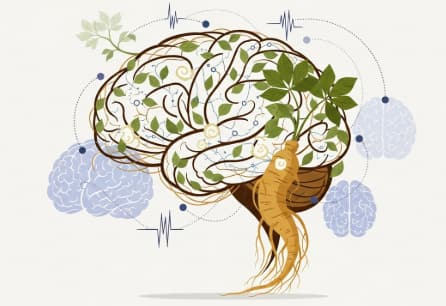
Ginseng for nervous system support has attracted growing scientific and clinical interest in recent decades. As modern life increases mental strain, stress exposure, and cognitive overload, many adults seek safe, evidence-based herbal options to help maintain neurological balance. Ginseng, especially Korean (Panax ginseng), has a long history in traditional medicine and is now supported by modern biomedical research. This article examines how ginseng may support the nervous system, explains the underlying mechanisms, reviews scientific evidence, and outlines safe, responsible use.
Importantly, this content is educational and not a substitute for professional medical advice. Always consult a qualified healthcare provider before starting any supplement.
Understanding the Nervous System and Why Support Matters
The nervous system regulates nearly every function in the body. It controls cognition, mood, movement, sensation, and autonomic balance. Therefore, even mild dysregulation can affect quality of life.
Key Components of the Nervous System
- Central nervous system (CNS): Brain and spinal cord
- Peripheral nervous system (PNS): Nerves connecting organs and muscles
- Autonomic nervous system: Regulates stress response, heart rate, and digestion
Over time, chronic stress, poor sleep, aging, and inflammation may impair neural signaling. Consequently, individuals often experience fatigue, irritability, reduced concentration, or sleep disruption.
Because of this, nutritional and botanical support has become an area of serious scientific investigation.
What Is Ginseng? A Scientifically Defined Overview
Ginseng refers to plants from the Panax genus. The term “Panax” comes from Greek, meaning “all-healing.” However, modern science evaluates ginseng through biochemical and clinical lenses rather than tradition alone.
Types of Ginseng Commonly Studied
- Panax ginseng (Korean ginseng): Most studied for cognitive and nervous system effects
- Panax quinquefolius (American ginseng): Often associated with metabolic balance
- Panax notoginseng: Commonly researched for vascular health
Among these, Korean ginseng contains high concentrations of ginsenosides, the bioactive compounds responsible for neurological effects.
According to the National Institutes of Health (NIH), ginsenosides interact with neurotransmitter pathways, neuroinflammation markers, and stress-response systems.
Source: https://www.ncbi.nlm.nih.gov
How Ginseng for Nervous System Support Works
Modulation of Neurotransmitters
Research suggests that ginsenosides influence key neurotransmitters, including:
- Acetylcholine (learning and memory)
- Dopamine (motivation and focus)
- GABA (relaxation and stress balance)
As a result, ginseng may help maintain neural signaling efficiency without overstimulation.
Adaptogenic Stress Regulation
Ginseng is classified as an adaptogen. Adaptogens help the body maintain balance under stress rather than forcing a specific physiological effect.
According to the World Health Organization (WHO), adaptogenic herbs support homeostasis during physical and mental stress.
Source: https://www.who.int
This is especially relevant for nervous system resilience.
Neuroprotective and Antioxidant Effects
Oxidative stress contributes to neuronal aging and dysfunction. Ginseng demonstrates antioxidant activity that may protect neural cells from damage.
A review published in Journal of Ginseng Research highlights ginseng’s role in reducing neuroinflammation and oxidative markers.
Source: https://www.sciencedirect.com/journal/journal-of-ginseng-research
Evidence-Based Benefits of Ginseng for Nervous System Support
Cognitive Function and Mental Performance
Several randomized controlled trials indicate that ginseng may support:
- Attention and working memory
- Mental processing speed
- Cognitive endurance during stress
A study indexed in PubMed reported improved cognitive performance in healthy adults after standardized ginseng supplementation.
Source: https://pubmed.ncbi.nlm.nih.gov
Stress, Fatigue, and Mood Balance
Chronic stress dysregulates the hypothalamic-pituitary-adrenal (HPA) axis. Ginseng appears to modulate cortisol response, which may support emotional stability.
Therefore, many users report improved mental clarity without sedation.
Age-Related Nervous System Support
As the nervous system ages, synaptic efficiency declines. Preliminary studies suggest ginseng may help support neuronal plasticity and circulation, which are critical for healthy aging.
However, these findings are supportive, not curative.
Korean Ginseng vs. Other Herbal Nervous System Supports
Compared to Ashwagandha
- Ashwagandha emphasizes calming and sleep support
- Ginseng emphasizes alertness and cognitive stamina
Compared to Ginkgo biloba
- Ginkgo targets cerebral blood flow
- Ginseng offers broader adaptogenic and neurotransmitter modulation
Therefore, ginseng is often chosen for balanced mental performance rather than sedation.
Safety, Dosage, and Responsible Use
Typical Dosage Ranges
Clinical studies commonly use:
- 200–400 mg standardized extract daily
- Standardized to ginsenoside content
However, dosage varies based on formulation and individual health status.
Safety Considerations
Ginseng is generally well tolerated. However, some individuals may experience:
- Mild digestive upset
- Headache
- Sleep disturbance if taken late in the day
It may interact with anticoagulants, stimulants, or blood pressure medications.
Because of this, consultation with a healthcare professional is strongly recommended.
Who May Benefit from Ginseng for Nervous System Support?
Ginseng may be appropriate for:
- Adults under chronic mental stress
- Professionals requiring sustained focus
- Individuals experiencing age-related cognitive fatigue
It is not recommended for children, pregnant individuals, or those with certain medical conditions without medical supervision.
Frequently Asked Questions (FAQ)
Is ginseng proven to treat neurological diseases?
No. Ginseng does not treat or cure neurological disorders. It may support normal nervous system function when used responsibly.
How long does ginseng take to work?
Some users report effects within weeks. However, clinical benefits often appear after consistent use for 4–8 weeks.
Can ginseng replace medication?
No. Ginseng should never replace prescribed medication without medical approval.
Is Korean ginseng better than other types?
Korean ginseng is the most researched for nervous system support. However, effectiveness depends on quality and standardization.
Choosing High-Quality Korean Ginseng Products
Quality matters significantly. Look for products that:
- Specify Panax ginseng
- List ginsenoside content
- Are tested for purity and contaminants
Premium Korean ginseng is cultivated under strict conditions and processed to preserve bioactive compounds.
Conclusion: Supporting Your Nervous System with Care and Confidence
Ginseng for nervous system support offers a scientifically grounded, traditional-meets-modern approach to mental resilience. When used responsibly, high-quality Korean ginseng may support cognitive clarity, stress adaptation, and neurological balance.
Ultimately, investing in your nervous system is an investment in your daily performance, emotional stability, and long-term vitality. Choose evidence-based solutions. Choose transparency. Choose quality.
If you are ready to experience the benefits of authentic Korean ginseng, select a trusted source committed to purity, research, and tradition.
🇰🇷 Premium Korean Ginseng Online Shop


