
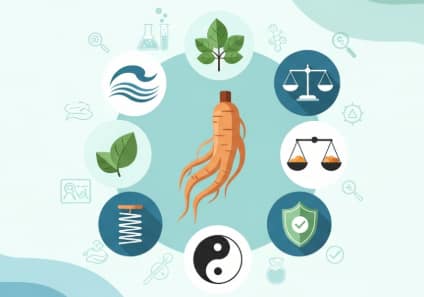
Stress affects millions of people worldwide. In modern life, balancing work, health, and emotional wellbeing can feel overwhelming. Many individuals are now exploring natural support options. One herbal ingredient gaining attention is ginseng for stress relief. Ginseng has been used for centuries in traditional Korean, Chinese, and Eastern medicine to support energy, mood, and resilience. Today, modern research continues to explore how ginseng may influence stress responses, cortisol levels, and nervous system balance.
In this article, we dive into evidence-based insights, traditional uses, benefits, risks, and how to safely use ginseng as part of a wellness routine.
Disclaimer: This article provides general educational information and is not a substitute for professional medical advice. Always consult a licensed healthcare provider before starting any supplement.
What Is Ginseng?
Ginseng refers to several species of plants belonging to the Panax genus. The most well-studied types include:
- Korean Red Ginseng (Panax ginseng)
- American Ginseng (Panax quinquefolius)
- Siberian Ginseng (Eleutherococcus senticosus) — technically not true ginseng but often grouped with herbal adaptogens.
Panax ginseng contains active compounds called ginsenosides, which are believed to play a role in stress regulation, antioxidant activity, and nervous system balance.
How Ginseng for Stress Relief Works in the Body
Research suggests ginseng may help the body adapt to stress due to its adaptogenic properties. Adaptogens are herbs believed to support balance within the nervous and endocrine systems.
Mechanisms Supported by Research:
- Modulates Cortisol Levels
Some studies indicate Panax ginseng may help regulate cortisol, the body’s primary “stress hormone.”
Source: https://www.ncbi.nlm.nih.gov/pmc/articles/PMC3659612/ - Supports Nervous System Health
Ginsenosides may influence neurotransmitters related to mood and emotional balance, such as serotonin and dopamine.
Source: https://www.ncbi.nlm.nih.gov/pmc/articles/PMC3614598/ - Enhances Cognitive Resilience
Stress often affects memory and concentration. Research published in Frontiers in Aging Neuroscience suggests ginseng may improve cognitive response during fatigue or mental strain.
Source: https://www.frontiersin.org/articles/10.3389/fnagi.2017.00272/full
Potential Benefits of Using Ginseng for Stress Relief
People use ginseng for many health purposes, yet stress management remains one of the most discussed topics. Below are commonly reported benefits based on available evidence.
1. Supports Emotional Balance
Ginseng may promote a calmer emotional state and reduce irritability during stressful periods.
2. Improves Sleep Quality
Some studies suggest ginseng may help regulate sleep cycles in people experiencing mental fatigue.
3. Boosts Energy Without Jitters
Unlike caffeine, ginseng supports natural vitality and stamina without overstimulating the nervous system.
4. Helps Manage Physical Effects of Stress
Chronic stress can weaken immunity and increase inflammation. Ginsenosides may help support immune response and antioxidant defense.
5. Enhances Mental Clarity and Focus
Ginseng may support better concentration, especially during pressure or long work hours.
How to Use Ginseng Safely
Before adding ginseng to your routine, consider the following guidance.
Forms Available:
- Capsules or softgels
- Tea
- Liquid extract
- Powder
- Fermented or red ginseng tonic
Typical Dosage:
Research-based dosages range from 200 mg to 400 mg daily, depending on the form and product quality. Always follow product labeling and medical advice.
Best Time to Take It:
Many individuals take ginseng in the morning or afternoon since it may increase energy. Taking it too late may disturb sleep for some people.
Who Should Avoid Ginseng?
Some individuals may need caution or avoid usage:
- Pregnant or breastfeeding women
- People with uncontrolled high blood pressure
- Individuals taking antidepressants, anticoagulants, or diabetes medications
For safety, speak with a healthcare professional—especially if you are managing chronic health conditions.
Possible Side Effects
Most people tolerate ginseng well, especially when sourced from high-quality products. However, mild effects may include:
- Headache
- Stomach discomfort
- Nervousness
- Sleep disturbance
Stop use and consult a professional if symptoms occur.
Best Practices When Buying Ginseng
To ensure safety and potency:
- Choose brands with third-party testing
- Look for standardized ginsenoside content
- Prefer Korean Red Ginseng for mental balance and stress support due to its fermentation and concentration process
Organizations like the NIH Office of Dietary Supplements recommend purchasing supplements from reputable brands.
Source: https://ods.od.nih.gov/
FAQ — Ginseng for Stress Relief (Schema-Friendly)
Q: How long does it take to feel results?
A: Some people notice benefits within 1–2 weeks, while others may require 4–6 weeks.
Q: Can I take ginseng every day?
A: Many studies support daily use for up to 3 months. Some experts suggest taking breaks after long-term use.
Q: Is ginseng safe with medication?
A: It may interact with certain medications. Consult a medical provider before use.
Q: Is Korean Red Ginseng better for stress?
A: Many studies support Korean Red Ginseng for emotional balance and fatigue. However, individual responses vary.
Conclusion
Using ginseng for stress relief may help support balance, emotional stability, energy, and nervous system health. Research continues to explore how ginsenosides influence cortisol, mood-related pathways, and resilience to stress. Although ginseng offers promising benefits, using it safely and under healthcare guidance is essential.
If you’re exploring herbal support for stress, high-quality Korean ginseng may be a meaningful addition to your wellness plan.
🇰🇷 Premium Korean Ginseng Online Shop


