
Introduction
Ginseng has a long history in traditional Asian medicine. In modern healthcare, however, its role is evaluated through scientific evidence and clinical research. In this article, ginseng health benefits explained clearly and responsibly, with a focus on Korean ginseng and its bioactive compounds. By combining traditional knowledge with modern studies, readers can better understand how ginseng supports overall wellness when used correctly.
What Is Ginseng? A Clinical and Botanical Perspective
Ginseng refers to several plant species within the Panax genus. The term Panax means “all-healing,” yet modern medicine evaluates ginseng through measurable biological effects rather than historical claims.
Commonly Studied Types of Ginseng
- Panax ginseng (Korean ginseng) – most researched and standardized
- Panax quinquefolius (American ginseng) – milder and cooling
- Panax notoginseng – traditionally used for circulation
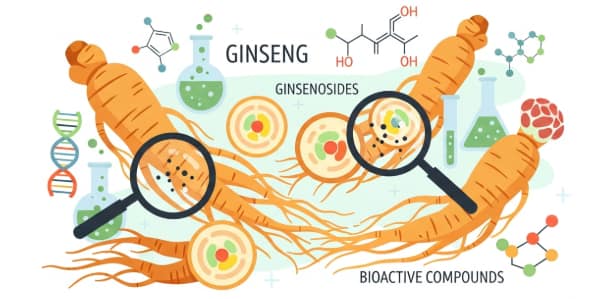
Among these, Korean ginseng contains the most diverse ginsenoside profile. According to the National Institutes of Health (NIH), ginsenosides are responsible for ginseng’s physiological activity, including antioxidant and anti-inflammatory effects.
https://www.ncbi.nlm.nih.gov/pmc/articles/PMC3659605/
Ginseng Health Benefits Explained Through Evidence-Based Research
Understanding ginseng health benefits explained through clinical data helps avoid exaggerated or misleading claims. Below are benefits supported by peer-reviewed studies.
1. Energy Support and Fatigue Reduction
Ginseng is widely studied for its ability to combat fatigue. Rather than acting as a stimulant, it supports cellular energy production and stress regulation.
For example, a randomized clinical trial published in the Journal of Ginseng Research reported reduced fatigue scores in adults consuming Korean red ginseng.
https://www.sciencedirect.com/science/article/pii/S1226845318300704
As a result, ginseng is often used by individuals with high mental or physical demands.
2. Immune System Balance
Instead of overstimulating immunity, ginseng helps regulate immune responses. This adaptive effect is known as immunomodulation.
Research indexed on PubMed shows that ginseng may:
- Enhance natural killer (NK) cell activity
- Improve antibody response
- Reduce the frequency of seasonal infections
Therefore, ginseng is commonly used during periods of increased immune stress.
3. Cognitive Function and Mental Performance
Cognitive health is another area where ginseng shows promise. Studies suggest improved attention, working memory, and mental calmness.
A systematic review in Human Psychopharmacology found measurable cognitive benefits, particularly under stress.
https://pubmed.ncbi.nlm.nih.gov/20687175/
However, results depend on dosage, extract quality, and individual response.
Korean Ginseng and Metabolic Health
Blood Sugar Regulation
Several studies indicate that Korean ginseng may support healthy glucose metabolism. In particular, it appears to improve insulin sensitivity in some populations.
A meta-analysis published in PLOS One found modest reductions in fasting blood glucose.
https://journals.plos.org/plosone/article?id=10.1371/journal.pone.0107391
Nevertheless, ginseng should never replace diabetes medication and must be used under medical supervision.
Cardiovascular Support
Korean ginseng has also been studied for cardiovascular health. Research suggests potential benefits for:
- Blood circulation
- Endothelial function
- Oxidative stress reduction
Moreover, the World Health Organization (WHO) recognizes ginseng as a traditional herbal medicine for vitality support.
https://apps.who.int/medicinedocs/en/d/Js4926e/
Why Ginsenosides Are Clinically Important
Ginsenosides interact with multiple biological pathways. These include inflammation control, nitric oxide production, and antioxidant defense.
Different ginsenosides serve different functions:
- Rg1 supports alertness and focus
- Rb1 promotes balance and metabolic support
Consequently, standardized Korean ginseng is preferred in clinical research due to its consistent ginsenoside content.
Safety, Dosage, and Responsible Use
Although ginseng is generally well tolerated, safety remains essential.
General Usage Guidelines
- Typical dose: 200–400 mg standardized extract daily
- Use in cycles of 8–12 weeks
- Avoid combining with strong stimulants
Individuals Who Should Consult a Doctor
- Pregnant or breastfeeding women
- People taking anticoagulants
- Those with hormone-sensitive conditions
This article is not a substitute for professional medical advice.
NIH safety overview:
https://www.nccih.nih.gov/health/asian-ginseng
Korean Ginseng Compared to Other Adaptogenic Herbs
| Herb | Primary Function | Evidence Strength |
|---|---|---|
| Korean Ginseng | Energy, immunity | High |
| Ashwagandha | Stress, sleep | Moderate |
| Rhodiola | Fatigue | Moderate |
In contrast to many adaptogens, Korean ginseng benefits from decades of clinical research.
Frequently Asked Questions (FAQ)
Is Korean ginseng safe for daily use?
Yes, when used within recommended doses and cycles.
How long before results appear?
Most users notice effects within two to four weeks.
Can ginseng replace prescription medication?
No. It supports health but does not replace medical treatment.
Is red ginseng stronger than white ginseng?
Red ginseng undergoes steaming, which changes its ginsenoside profile and may enhance potency.
Conclusion: Choosing Evidence-Based Korean Ginseng
When ginseng health benefits explained through science, the value of Korean ginseng becomes clear. Its standardized cultivation, rich ginsenoside profile, and clinical backing make it one of the most trusted herbal supplements worldwide.
If you seek sustainable energy, immune balance, and long-term vitality, premium Korean ginseng offers a natural solution grounded in research and tradition. Choose quality. Choose transparency. Choose science-backed wellness.
🇰🇷 Premium Korean Ginseng Online Shop


