
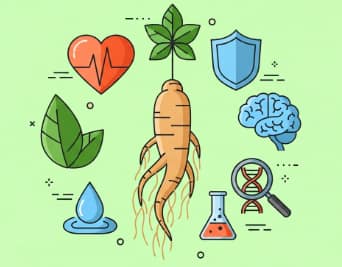
Ginseng has been valued for centuries in Asian herbal medicine, especially in Korean, Chinese, and Japanese health traditions. Today, modern research highlights the many health benefits of ginseng, with strong evidence supporting the function of ginseng as a natural antioxidant. Because oxidative stress contributes to aging, inflammation, and chronic diseases, antioxidants play a central role in protecting long-term health. This article explains how ginseng provides antioxidant support, how it affects overall wellness, and what scientific research reveals.
What Makes Ginseng a Powerful Antioxidant?
Ginseng contains potent natural compounds called ginsenosides. These bioactive components help protect cells from oxidative damage caused by unstable molecules called free radicals. Antioxidants reduce cellular stress and support the body systems most affected by oxidative damage, including the heart, brain, skin, and immune system.
Research from the National Institutes of Health (NIH) and studies indexed in PubMed suggest that ginseng may strengthen the body’s antioxidant defense system. It supports key enzymes like glutathione peroxidase, catalase, and superoxide dismutase—three essential enzymes responsible for cellular protection.
Ginseng as a Natural Antioxidant: Scientific Evidence
Modern research confirms the antioxidant potential of ginseng. Several scientific studies show:
- A Phytotherapy Research study found that ginsenosides significantly reduce oxidative stress and improve cellular energy function.
- A clinical review on PubMed reported that red ginseng extract helps increase antioxidant enzyme activity in patients recovering from illness.
- Traditional Korean medicine recognizes ginseng as a restorative herb used to strengthen energy balance and protect overall vitality.
Researchers believe the antioxidant effect comes not only from ginsenosides but also from flavonoids, polyphenols, and other natural plant compounds found in the ginseng root.
Top Health Benefits of Ginseng’s Antioxidant Properties
Supports Brain Function and Memory
Antioxidants protect brain cells from oxidative damage, a factor linked to cognitive decline. Ginseng may help enhance mental clarity, improve memory, and reduce fatigue-related brain fog. Some studies in Frontiers in Aging Neuroscience suggest that ginseng supports cognitive performance in healthy adults and older individuals.
Helps Protect the Heart
Oxidative stress can affect cardiovascular health. The antioxidant properties of ginseng may help reduce inflammation, support healthy cholesterol levels, and enhance blood vessel function. Although more research is needed, early evidence suggests potential cardiovascular protective effects.
Boosts Immune Function
Ginseng supports immune activity by enhancing the function of immune cells. Its antioxidant action helps reduce inflammation while supporting the body’s natural defense system. According to research published by the Journal of Ginseng Research, ginseng extract may support a faster immune response.
Supports Healthy Skin
Oxidative stress contributes to wrinkles, rough skin texture, and dullness. Ginseng’s antioxidants help protect skin cells, improve elasticity, and promote a healthier skin appearance. Many Korean skincare formulas include ginseng for its protective and revitalizing effects.
Enhances Energy Levels
Ginseng is widely used to combat fatigue. Its antioxidant properties help support better mitochondrial function, which influences energy production. People often report improved stamina and reduced tiredness when using ginseng regularly.
How to Use Ginseng Safely
Ginseng is available in several forms, such as:
- Capsules
- Liquid extracts
- Powders
- Teas
- Chewable roots
- Fermented red ginseng
When choosing a product, look for standardized extracts and ensure proper quality testing. Reputable brands often certify their ginsenoside levels for consistency.
Recommended precautions include:
- Consult a healthcare professional, especially if pregnant, breastfeeding, or taking medication.
- Avoid excessive doses.
- Stop using it if you experience dizziness, headaches, or digestive discomfort.
Ginseng is generally safe, but it is not suitable for everyone. Individual responses can vary.
Frequently Asked Questions (FAQ)
Is ginseng safe to take daily?
Most adults can take ginseng daily for short periods. However, long-term use should be discussed with a healthcare professional.
What type of ginseng is best for antioxidants?
Korean red ginseng is often considered the most potent form due to its high ginsenoside concentration.
Can ginseng replace medical treatment?
No. Ginseng supports wellness but does not replace professional medical treatment or prescribed medication.
How long does it take for ginseng to work?
Some people feel benefits within days, but antioxidant effects usually develop after consistent use for several weeks.
Final Thoughts
Ginseng offers many health advantages, largely due to its strong antioxidant activity. Scientific research continues to highlight the value of ginseng as a natural antioxidant, confirming its role in protecting cells, supporting brain health, and promoting overall vitality. While ginseng is a powerful herbal supplement, it should be used responsibly and never replace professional medical guidance. For best results, choose high-quality products and consult a healthcare provider when needed.
🇰🇷 Premium Korean Ginseng Online Shop


