
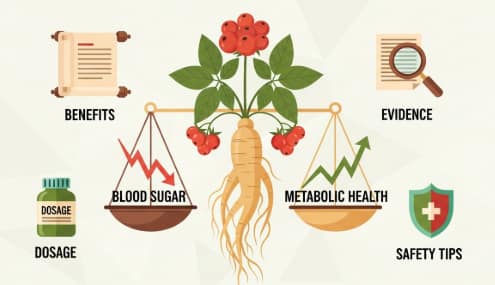
Maintaining healthy glucose levels is essential for long-term wellness. Many people explore natural approaches to support their metabolic health. One option often discussed is ginseng for balancing blood sugar levels, especially due to its potential effects on insulin sensitivity and energy regulation. This guide explains what research says, how ginseng works, and how to use it safely and responsibly.
What Is Ginseng and Why Does It Matter for Blood Sugar?
Ginseng is a medicinal root used for centuries in traditional Asian herbal medicine. The two most researched types are Korean red ginseng (Panax ginseng) and American ginseng (Panax quinquefolius).
Researchers study these varieties because they contain ginsenosides, natural compounds that may influence glucose metabolism.
Modern research suggests that ginseng may help the body manage glucose more efficiently. It may offer supportive effects for people who want a natural complement to a healthy lifestyle.
How Ginseng Supports Blood Sugar Balance (Science Explained)
A growing body of evidence highlights several ways in which ginseng may contribute to glucose regulation.
1. Improved Insulin Sensitivity
Research shows that ginseng may help cells respond better to insulin. Better sensitivity supports more stable blood sugar.
• A review published on PubMed found that ginsenosides can influence pathways involved in glucose uptake.
• Another study from the National Institutes of Health (NIH) noted improved insulin sensitivity in adults taking Panax ginseng.
2. Reduced Post-Meal Blood Glucose Spikes
Some studies show that ginseng can lower post-prandial (after eating) glucose levels.
• Clinical trials involving American ginseng demonstrated reduced post-meal glucose when taken before carbohydrate-rich meals.
3. Antioxidant and Anti-Inflammatory Effects
Chronic inflammation can affect glucose regulation. Ginseng contains antioxidants that may support metabolic balance.
• A report in the Journal of Ginseng Research discusses how ginsenosides help modulate oxidative stress, which plays a role in insulin resistance.
4. Support for Energy and Fatigue Management
Stable glucose supports stable energy. Many users report better daily stamina when combining lifestyle changes with ginseng supplementation.
Types of Ginseng Most Effective for Blood Sugar
Not all ginseng varieties work the same way. These are the two most studied types:
Korean Red Ginseng (Panax ginseng)
• Rich in Rg1 and Rb1 ginsenosides
• Traditionally used for vitality and metabolic support
• Good choice for long-term daily supplementation
American Ginseng (Panax quinquefolius)
• Often used in clinical trials on glucose control
• May have stronger short-term effects on post-meal glucose
• Ideal for targeted blood sugar support
Fermented Ginseng
Fermentation can increase ginsenoside absorption, which may enhance its metabolic effects.
How to Use Ginseng Safely for Blood Sugar Balance
While ginseng may help support metabolic health, it must be used responsibly. Always follow healthcare guidance.
Recommended Intake
Typical doses in research studies:
• 200–400 mg extract daily
• 1–3 grams dried ginseng root daily
• Standardized extracts with 3–7% ginsenosides
How to Take It
• Capsules or tablets
• Ginseng tea
• Liquid extracts
• Powder mixed into drinks
Safety and Precautions
Even natural remedies can interact with medications. Be cautious if you:
• Take diabetes medications
• Use blood thinners
• Are pregnant or breastfeeding
• Have hormone-sensitive conditions
Always speak with a medical professional before starting any herbal supplement. Ginseng is not a substitute for professional medical treatment.
Lifestyle Tips to Support Healthy Blood Sugar Levels
Ginseng shows the best results when combined with healthy habits. Consider these supportive steps:
Daily Habits
• Choose fiber-rich meals with whole grains
• Add vegetables to every plate
• Stay active with 30 minutes of movement
• Manage stress with deep breathing or stretching
• Drink enough water throughout the day
Foods That Support Glucose Balance
• Leafy greens
• Beans and legumes
• Nuts and seeds
• Oats and barley
• Berries
These foods work with supplements like ginseng to support long-term balance.
Evidence Summary: What Experts Say
Health organizations like the WHO, NIH, and National Center for Complementary and Integrative Health (NCCIH) highlight the potential of herbal supplements but recommend using them alongside—not in place of—medical care.
Research supports the idea that ginseng for balancing blood sugar levels can play a beneficial role. However, experts also emphasize the need for more large-scale studies before confirming specific clinical outcomes.
Frequently Asked Questions (FAQ)
1. Can ginseng lower blood sugar quickly?
It may help manage post-meal glucose, but effects vary. It should not replace prescribed medication.
2. Is Korean or American ginseng better for glucose support?
American ginseng shows stronger research for post-meal glucose. Korean red ginseng supports long-term balance and overall wellness.
3. Can I take ginseng every day?
Yes, many studies use daily supplementation. Consult your healthcare provider first, especially if you take medications.
4. Does ginseng help with insulin resistance?
Some studies show improved insulin sensitivity. More research is needed for definitive conclusions.
5. Who should avoid ginseng?
People on blood thinners, pregnant women, and those with chronic conditions should seek medical advice before taking ginseng.
Conclusion
For centuries, Korean ginseng has been trusted to restore strength and resilience—and today, modern science continues to validate its potential to support healthy glucose regulation. But this is more than tradition or data. It’s about reclaiming your energy, protecting your long-term health, and showing up fully for the people who depend on you.
Don’t wait for fatigue, imbalance, or warning signs to force change. Choose premium, authentic Korean ginseng. Choose quality. Choose proactive care. Give your body the metabolic support it deserves—starting today.
🇰🇷 Premium Korean Ginseng Online Shop


