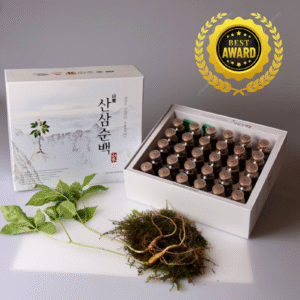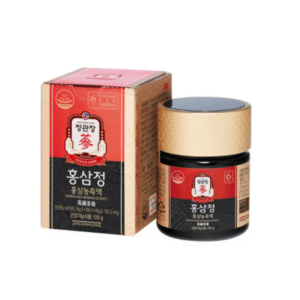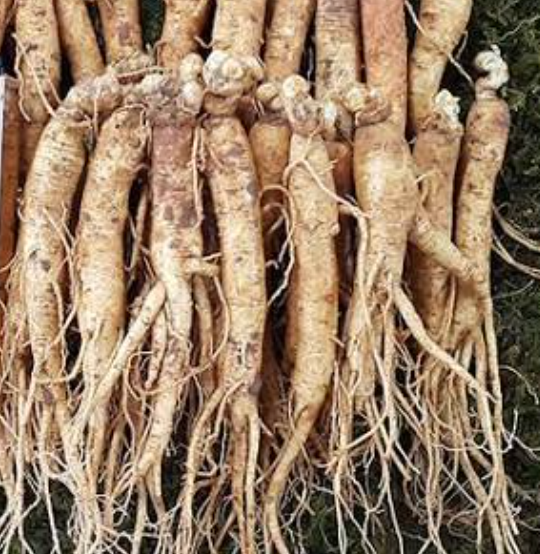
Herbal supplements have been used for centuries in traditional health practices around the world. Today, many of the same plants are available as capsules, tablets, powders, teas, extracts, and other dietary supplements. Some have been studied in modern clinical research, while others have primarily been evaluated through laboratory or traditional-use research.
Among the herbs that have attracted considerable scientific interest is ginseng, particularly Panax ginseng, also known as Asian ginseng, Korean ginseng, or Chinese ginseng. Other commonly discussed herbs and plant-based supplements include black cohosh, red clover, dong quai, evening primrose oil, maca, soy, flaxseed, valerian, chasteberry, turmeric, ashwagandha, echinacea, chamomile, cinnamon, elderberry, holy basil, lemon balm, rhodiola, and cordyceps.
Research suggests that some of these herbs may have useful effects on areas such as menopause symptoms, sleep, stress, fatigue, mood, physical performance, and general well-being. However, the quality of evidence varies considerably. Some studies are small, some are relatively old, and results are often inconsistent. A supplement that appears promising in one study may show little or no meaningful effect in another.
For this reason, herbal supplements should not automatically be considered either ineffective or proven treatments. They are better understood as areas of ongoing scientific investigation.
Understanding Herbal Supplements
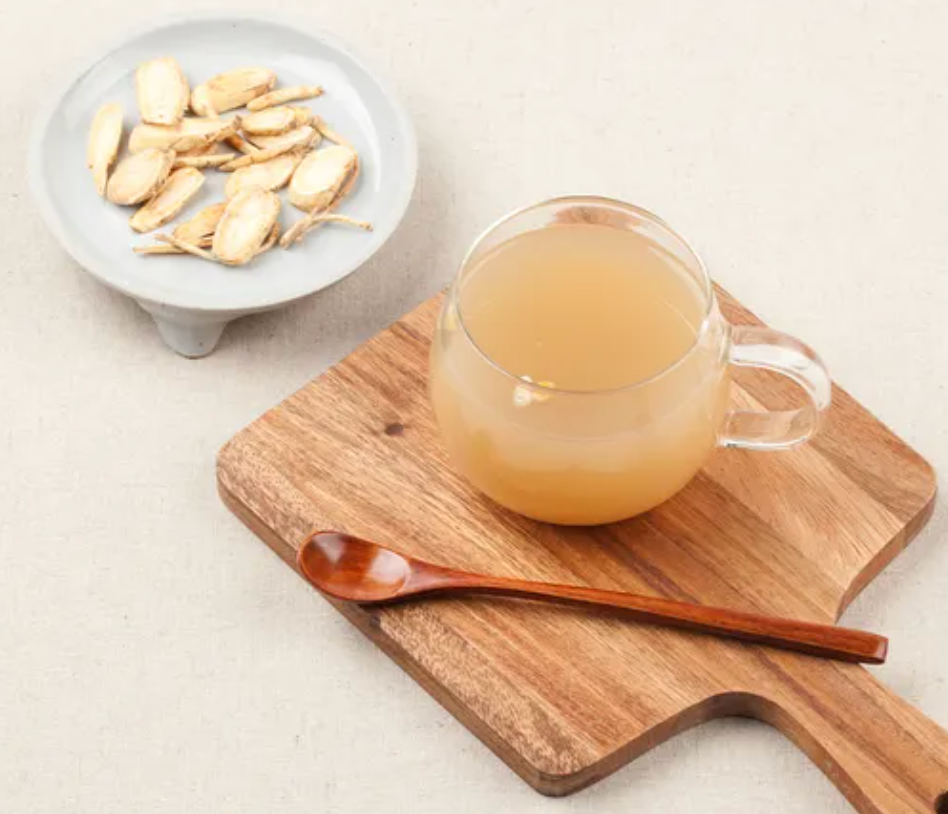
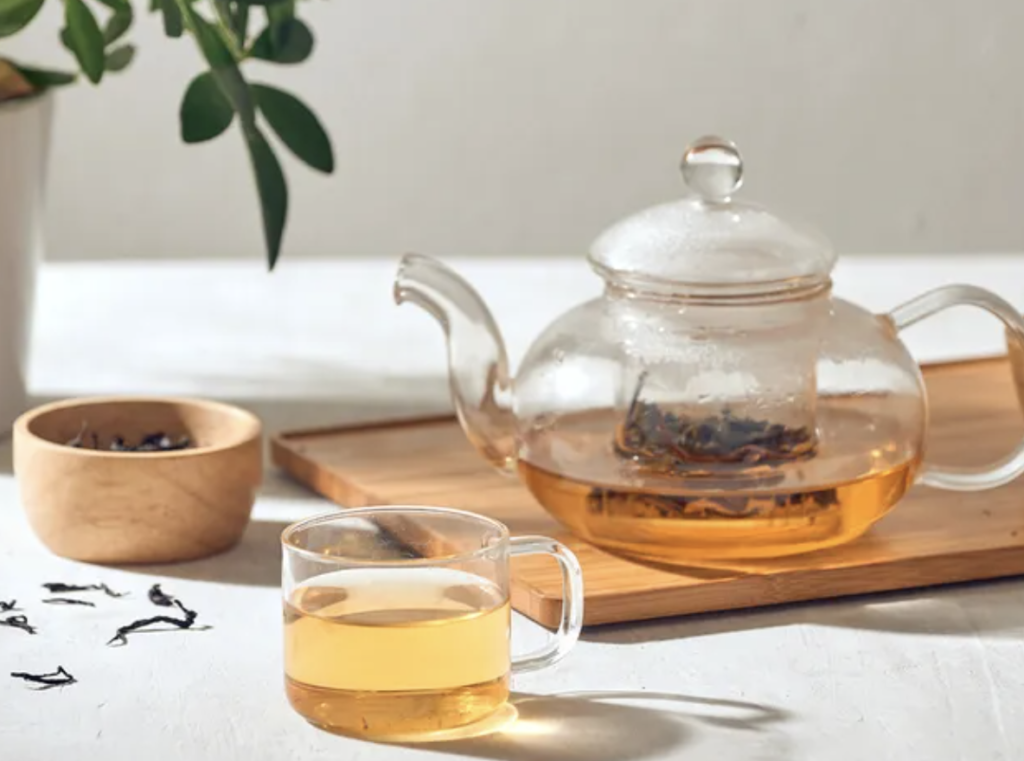
Herbal supplements contain compounds derived from plants. Depending on the product, they may contain an entire plant, a specific part such as the root or leaf, or a concentrated extract containing selected compounds.
The chemical composition of an herbal supplement can vary depending on the plant species, growing conditions, harvesting methods, processing techniques, extraction method, and standardization.
This is particularly important when discussing ginseng.
The term “ginseng” does not refer to a single plant. Panax ginseng is Asian ginseng, while American ginseng is Panax quinquefolius. Other plants are sometimes marketed using the word ginseng even though they belong to completely different botanical families.
Because of these differences, research involving one type of ginseng should not automatically be applied to every product labeled “ginseng.”
Ginseng and Modern Research
Panax ginseng has a long history of use in East Asian traditional medicine. Korean ginseng, including Korean red ginseng, is one of the most extensively studied forms.
Researchers have paid particular attention to naturally occurring compounds known as ginsenosides. These compounds are considered among the major bioactive constituents of Panax ginseng.
Modern research has investigated ginseng in connection with numerous aspects of health, including physical performance, fatigue, cognitive function, immune responses, glucose metabolism, sexual health, and menopause-related symptoms.
However, research findings are not uniform. Different studies may use different ginseng preparations, concentrations, doses, treatment periods, and participant populations. Consequently, the results of one study cannot necessarily be generalized to every ginseng product.
Ginseng and Menopause
Menopause is associated with substantial hormonal changes and may be accompanied by symptoms such as hot flashes, night sweats, sleep difficulties, mood changes, and changes in quality of life.
Korean red ginseng has been investigated as a potential complementary option for some menopause-related symptoms.
A 2024 review of studies reported that Korean red ginseng may improve certain menopausal symptoms and aspects of quality of life. Nevertheless, researchers emphasized that additional high-quality research is needed.
The evidence should therefore be interpreted cautiously. Ginseng should not be presented as a proven treatment for menopause, but rather as a botanical supplement that has been investigated for potential effects on selected menopause-related outcomes.
Other herbs and plant-based ingredients have also been studied for menopause.
Black Cohosh
Black cohosh is one of the most frequently discussed herbal supplements for menopause.
Some research suggests that black cohosh may help reduce symptoms such as hot flashes and night sweats. A 2023 study reported improvements in some menopause symptoms compared with placebo, although it did not demonstrate significant improvements in anxiety or depression.
Safety is an important consideration. Black cohosh has been associated with concerns regarding liver health, particularly when product quality or contamination is an issue.
People with a history of liver disease should consult a healthcare professional before using black cohosh.
Reported side effects can include:
- Mild nausea
- Upset stomach
- Skin reactions
Red Clover
Red clover contains isoflavones, plant compounds that have structural similarities to estrogen.
Because declining estrogen levels are an important feature of menopause, researchers have investigated whether red clover may influence menopause-related symptoms.
Some studies suggest possible benefits, although results have been mixed. Research has also examined fermented red clover in relation to vascular inflammation.
Red clover may not be appropriate for everyone, particularly people who are pregnant or nursing or those with hormone-sensitive conditions. Professional medical advice is appropriate before supplementation in these situations.
Dong Quai
Dong quai has traditionally been used in East Asian herbal medicine and has also been investigated for menopause-related symptoms.
Some research suggests that it may influence the frequency or intensity of hot flashes and may have effects on sleep. However, findings are inconsistent.
Dong quai may also have blood-thinning effects. People taking anticoagulant or antiplatelet medications should therefore speak with a healthcare professional before using it.
Evening Primrose Oil
Evening primrose oil contains fatty acids and has been investigated as a possible supplement for menopause symptoms, particularly hot flashes and night sweats.
Some studies have reported improvements in hot-flash severity, while other research has found no significant benefit.
Short-term use is generally considered well tolerated by many adults, although nausea and stomach discomfort can occur.
Because long-term safety during pregnancy and nursing is not well established, professional guidance is recommended in those circumstances.
Maca
Maca is a plant native to the Andes and has become increasingly popular as a botanical supplement.
Research has explored its potential relationship with menopause symptoms, mood, memory, and aspects of bone health.
A 2022 review suggested that maca may have effects on areas such as memory impairment, depression, and bone structure in menopausal populations. A 2024 study also reported possible improvements in menopause-related symptoms.
Nevertheless, the overall evidence remains limited and mixed. More high-quality clinical studies are needed before firm conclusions can be made.
Soy and Soy Isoflavones
Soybeans are naturally rich in isoflavones. These plant compounds can interact with estrogen receptors and have therefore been studied extensively in relation to menopause.
A review of numerous studies involving menopausal populations found that soy isoflavone supplementation may influence some aspects of bone health and the frequency or duration of hot flashes.
However, the results are not sufficiently consistent to guarantee a particular outcome for every person.
Long-term use of high-dose soy isoflavone supplements also requires more research. Digestive symptoms such as stomach discomfort and diarrhea may occur.
Whole soy foods and concentrated soy supplements should not necessarily be considered equivalent because their nutritional composition and isoflavone exposure can differ.
Flaxseed
Flaxseed is a nutrient-rich food containing fiber, healthy fats, and plant compounds called lignans.
Lignans have chemical characteristics that allow them to interact with estrogen-related pathways, which has led researchers to investigate flaxseed for menopause-related symptoms.
Research has examined its potential effects on hot flashes, night sweats, sleep difficulties, and bone health.
A 2024 study reported promising results for several menopause-related symptoms, although additional research is needed.
Unlike many concentrated supplements, flaxseed can also contribute fiber and other nutrients to the diet, making it a useful food regardless of whether a person experiences a specific supplement-related benefit.
Valerian Root
Valerian root has traditionally been used as a calming botanical and is particularly associated with sleep.
Research suggests that valerian may have sedative effects and may improve certain aspects of sleep in some people.
It has also been studied in menopausal populations. One small study involving menopausal women reported reductions in the frequency and severity of hot flashes.
However, valerian does not affect everyone in the same way. Some people may experience digestive upset, headache, restlessness, excitability, or sleep-related effects.
Because valerian may cause drowsiness, caution is appropriate when combining it with other substances that have sedative effects.
Chasteberry
Chasteberry, also known as Vitex, has been studied primarily in relation to hormonal and reproductive health.
A small study involving menopausal women reported reductions in anxiety and hot flashes, although significant improvements were not found for every measured outcome.
Chasteberry may interact with certain medications, including some antipsychotic medicines, hormonal contraceptives, and medications used for Parkinson’s disease.
People with hormone-sensitive conditions should consult a healthcare professional before using it.
Turmeric and Curcumin
Turmeric, scientifically known as Curcuma longa, is both a culinary spice and a botanical ingredient used in supplements.
Its best-known compounds are curcuminoids, particularly curcumin.
Curcumin has been extensively investigated in laboratory and human research. Studies have examined its potential relationship with inflammation, oxidative stress, joint health, metabolic health, mood, and cognitive function.
One important issue is bioavailability. Curcumin is not absorbed efficiently in many conventional preparations, which has led researchers and supplement manufacturers to investigate formulations designed to improve absorption.
However, greater absorption does not automatically mean a particular product will produce a clinically meaningful health benefit.
Ashwagandha
Ashwagandha, or Withania somnifera, is an herb traditionally used in Ayurvedic medicine.
It is frequently described as an adaptogenic herb, meaning that it is traditionally used to help the body respond to physical or psychological stress.
Modern research has investigated ashwagandha in connection with stress, anxiety, sleep, cognitive function, and other areas of health.
Some small clinical studies have produced promising findings, particularly concerning stress and anxiety. Nevertheless, researchers continue to study which compounds are responsible for observed effects and how different preparations influence outcomes.
Because ashwagandha contains several pharmacologically active compounds, it should not automatically be considered harmless simply because it is a traditional herb.
Echinacea
Echinacea is a flowering plant that has been widely marketed for immune support and respiratory health.
Research on echinacea has produced mixed results. Some clinical trials have suggested that certain echinacea preparations may influence the frequency or severity of common cold symptoms, while systematic reviews have sometimes reached less definitive conclusions.
Different species and preparations may contain different concentrations of active compounds.
Therefore, the findings from one echinacea product cannot necessarily be applied to every supplement on the market.
Chamomile
Chamomile has been consumed for centuries, particularly as a tea.
It is commonly associated with relaxation and sleep. Some clinical studies have investigated its potential effects on anxiety and sleep quality.
Chamomile also contains numerous plant compounds, including compounds that researchers have investigated for antioxidant and anti-inflammatory activity.
Although chamomile tea is generally regarded as a mild herbal beverage, concentrated extracts and supplements may have different effects and should be considered separately.
Cinnamon
Cinnamon is best known as a culinary spice, but it has also been investigated as a botanical supplement.
Research has examined cinnamon in relation to glucose metabolism, cholesterol, and metabolic health.
Some clinical trials have reported improvements in blood sugar or lipid-related measures, although results vary depending on the study and preparation.
Cinnamon is therefore an interesting example of a plant that can be both a normal food ingredient and a concentrated dietary supplement.
Elderberry
Elderberry, derived from species such as Sambucus nigra, is commonly used in syrups, gummies, teas, and supplements marketed for immune support.
Some preliminary research has investigated whether elderberry preparations may influence the duration or severity of respiratory symptoms.
However, the evidence is not strong enough to assume that elderberry can prevent or treat infections.
Product preparation is particularly important because raw or improperly prepared elderberry products can contain compounds that are not appropriate for consumption.
Holy Basil
Holy basil, also known as tulsi, is an important traditional herb in India.
It has been investigated for possible effects involving stress, anxiety, cognitive function, and immune-related processes.
Some early clinical research is promising, but the overall human evidence remains limited compared with better-studied nutritional compounds.
Holy basil is often consumed as tea, although concentrated extracts are also available.
Lemon Balm
Lemon balm, or Melissa officinalis, belongs to the mint family.
It is traditionally used as a calming herb and is frequently consumed as a tea.
Research has investigated lemon balm for anxiety, sleep, mood, and other aspects of well-being.
Some studies have reported improvements in anxiety and sleep-related outcomes, but larger and better-controlled trials are needed to determine how reliable these effects are.
Rhodiola
Rhodiola rosea, sometimes called golden root, is another botanical commonly classified as an adaptogen.
Research has examined rhodiola in relation to fatigue, physical endurance, mental fatigue, mood, stress, and cognitive performance.
Some reviews have identified potentially beneficial effects, but the quality and consistency of the evidence vary.
As with other adaptogenic herbs, the term “adaptogen” should not be interpreted as proof that a product will produce a specific medical outcome.
Cordyceps
Cordyceps refers to a group of fungi that have a long history of use in traditional Asian practices.
Modern supplements are generally produced using cultivated or laboratory-grown forms rather than relying on wild fungi.
Researchers have investigated cordyceps for physical performance, energy, immune-related activity, and other areas.
Some preliminary evidence is interesting, but much more clinical research is required to determine which benefits, if any, are consistently meaningful in humans.
Herbal Supplements and Fibromyalgia
Fibromyalgia is a chronic condition associated with widespread pain, fatigue, sleep problems, and cognitive difficulties often described as “brain fog.”
Because there is no single treatment that works for everyone, some people explore dietary supplements and herbal products as complementary options.
However, research in this area remains relatively limited.
Panax Ginseng and Fibromyalgia
Panax ginseng has received some attention in research involving fatigue and fibromyalgia-related symptoms.
A 2022 study examining a red ginseng preparation reported improvements in several measures associated with chronic fatigue and fibromyalgia, including overall well-being, energy, and mental clarity.
These findings are interesting but should not be interpreted as proof that ginseng treats fibromyalgia.
More rigorous research involving larger populations and standardized ginseng preparations would be useful.
Melatonin
Melatonin is a hormone naturally produced by the body that helps regulate the sleep-wake cycle.
Because sleep problems and fatigue are common among people with fibromyalgia, melatonin has been studied as a potential complementary supplement.
A systematic review examining several studies reported generally positive findings and did not identify major adverse events in those studies. However, additional research is needed to establish its effectiveness and long-term safety for specific fibromyalgia symptoms.
Magnesium
Magnesium is an essential mineral found in foods such as nuts, seeds, leafy vegetables, and certain whole grains.
Researchers have investigated magnesium in fibromyalgia because some studies have reported lower mineral levels among affected populations.
Research has also examined topical magnesium preparations.
Although some studies have reported improvements in symptoms, the evidence is not yet sufficient to conclude that magnesium supplementation is an established treatment for fibromyalgia.
Acetyl-L-Carnitine
Acetyl-L-carnitine, or ALCAR, is a compound involved in energy metabolism.
Some research has examined whether ALCAR may influence pain and depression-related symptoms in people with fibromyalgia.
A clinical study reported improvements in participants receiving ALCAR, although further research is needed to establish its role.
Valerian and Fibromyalgia
Because sleep disturbances are common in fibromyalgia, valerian has also been investigated.
Research suggests that valerian may influence sleep and nervous-system activity, but evidence specifically involving fibromyalgia remains limited.
Vitamin D
Vitamin D has been investigated in relation to musculoskeletal health and fibromyalgia.
Some studies have found associations between vitamin D status and symptoms, but it is not clear that vitamin D supplementation will improve symptoms in every person with fibromyalgia.
Testing for deficiency and discussing supplementation with a healthcare professional may be more appropriate than taking high doses without medical guidance.
Why Research Results Differ
One of the most important issues in herbal supplement research is that products are rarely identical.
Two products can both be labeled “ginseng” while having substantially different chemical profiles.
Differences may include:
- Plant species
- Plant part used
- Age of the plant
- Growing conditions
- Processing method
- Extraction method
- Concentration
- Standardization
- Ginsenoside profile
- Additional ingredients
- Dosage
- Duration of use
For example, fresh ginseng, white ginseng, and red ginseng are processed differently and may have different chemical characteristics.
This makes it difficult to compare studies unless the exact preparation is clearly described.
Natural Does Not Automatically Mean Risk-Free
One of the most important principles when discussing herbal supplements is that “natural” does not necessarily mean “safe for everyone.”
Plants contain biologically active compounds. These compounds can potentially affect the body and may interact with prescription medications.
Possible issues include:
- Drug interactions
- Allergic reactions
- Digestive symptoms
- Headaches
- Dizziness
- Changes in sleep
- Changes in blood glucose
- Effects on blood clotting
- Hormonal effects
- Liver-related concerns with certain products
- Differences in product quality
The likelihood of an interaction depends on the specific herb, dose, preparation, individual health status, and medications being used.
Ginseng Safety and Potential Interactions
Short-term use of Korean red ginseng appears to be well tolerated for many adults, but side effects can occur.
Reported effects may include:
- Headache
- Dizziness
- Digestive discomfort
- Diarrhea
- Skin reactions
- Difficulty sleeping
Ginseng may also influence blood glucose regulation, which is particularly relevant for people with diabetes or those taking glucose-lowering medication.
It may also interact with certain medications, including some medicines affecting blood pressure, cholesterol, or blood clotting.
Anyone taking prescription medications should discuss ginseng supplementation with a healthcare professional before adding it to their routine.
Quality Matters
The quality of an herbal supplement can be just as important as the plant itself.
A product may contain less of an active compound than expected, different plant material, contaminants, or additional ingredients.
Third-party testing can provide additional information about identity, purity, potency, and contaminants, although certification does not guarantee that a supplement will produce a particular health outcome.
Consumers should look for reputable manufacturers, clear ingredient labels, appropriate storage information, expiration dates, and transparent quality-control practices.
Food, Traditional Use, and Concentrated Supplements Are Not the Same
Another important distinction is the difference between consuming a plant as food and taking a concentrated supplement.
For example, eating flaxseed as part of a normal diet is different from taking a highly concentrated lignan extract.
Likewise, drinking a cup of chamomile tea is different from taking a concentrated chamomile supplement.
The dose and chemical exposure can be substantially different.
This distinction is especially important when evaluating claims based on traditional use.
How to Think About the Evidence
Not all research carries the same level of scientific weight.
A laboratory study may show that a compound affects a particular biological pathway, but that does not prove that taking the herb will produce the same effect in humans.
Animal studies can provide useful information but cannot automatically predict human outcomes.
Small human studies may identify promising signals, but larger randomized controlled trials are generally needed to determine whether an effect is reliable.
Systematic reviews and meta-analyses can provide broader perspectives, although their conclusions depend on the quality of the studies included.
Therefore, phrases such as “may help,” “has been studied for,” and “research suggests” are generally more scientifically appropriate than definitive statements such as “cures,” “prevents,” or “guarantees.”
Herbal Supplements and Women’s Health
Many botanical supplements have been studied in relation to women’s health, particularly menopause.
The most frequently investigated areas include:
- Hot flashes
- Night sweats
- Sleep
- Mood
- Bone health
- Sexual health
- General quality of life
Among the plants discussed in research are black cohosh, red clover, soy, flaxseed, maca, valerian, chasteberry, and Korean red ginseng.
The evidence varies substantially among these supplements.
Some show promising results in individual studies, while others have produced conflicting findings.
Women considering supplements for menopause should also consider whether they have hormone-sensitive conditions, cardiovascular risk factors, liver problems, or medications that could interact with the supplement.
Herbal Supplements and General Wellness
Some people use herbs not because they have a specific medical condition, but because they want to support general wellness.
Ginseng, turmeric, ginger, chamomile, cinnamon, and other plants are widely incorporated into traditional diets and wellness practices.
However, a supplement should not be viewed as a replacement for basic health habits.
Adequate sleep, a balanced diet, regular physical activity, maintaining a healthy weight, avoiding tobacco, limiting excessive alcohol consumption, and receiving appropriate medical care remain fundamental components of long-term health.
A Practical Approach to Choosing a Supplement
If you are considering an herbal supplement, several questions can help you make a more informed decision.
1. What is the specific goal?
Identify what you are actually trying to accomplish.
Are you interested in general wellness, sleep, stress management, menopause symptoms, energy, exercise performance, or another goal?
A supplement should be evaluated based on evidence relevant to that specific goal.
2. What does the research actually show?
Look for human clinical studies rather than relying exclusively on marketing claims or testimonials.
Pay attention to the number of participants, study duration, dosage, product preparation, and comparison group.
3. Is the product standardized?
For herbs containing measurable active compounds, standardization can make it easier to compare products and research findings.
For ginseng, information about the species, preparation, extract concentration, and ginsenoside content can be particularly useful.
4. Could it interact with medication?
This is one of the most important questions.
People taking prescription medicines should discuss supplements with a healthcare professional or pharmacist.
5. Is the product independently tested?
Third-party testing may provide additional confidence regarding identity and purity.
6. Is the dosage appropriate?
More is not necessarily better.
Higher doses may increase the risk of adverse effects without providing additional benefits.
The Importance of Realistic Expectations
Herbal supplements are sometimes marketed with extremely broad claims.
A product may be described as supporting energy, immunity, cognition, hormonal balance, metabolism, sleep, and longevity simultaneously.
Such claims should be viewed critically.
Scientific evidence usually concerns specific outcomes under specific conditions.
For example, evidence that a particular ginseng preparation may influence fatigue does not automatically prove that it will improve every aspect of health.
Similarly, evidence that a plant may influence a biological pathway does not necessarily mean that consuming the plant will prevent or treat a disease.
A realistic approach is to view herbal supplements as one possible component of a broader health strategy rather than as universal solutions.
Ginseng as a Particularly Interesting Botanical
Among traditional medicinal plants, ginseng is especially notable because it has both a long history of traditional use and a substantial body of modern scientific research.
Panax ginseng has been studied in areas including:
- Physical performance
- Fatigue
- Cognitive function
- Mental performance
- Immune-related activity
- Glucose metabolism
- Sexual health
- Menopause-related symptoms
- General well-being
Researchers have also investigated how individual ginsenosides may interact with biological systems.
However, the scientific picture remains complex.
Ginseng is not a single standardized chemical substance. Different preparations can have significantly different compositions, and research outcomes may depend on the exact product used.
For this reason, consumers should pay attention to the identity and quality of the ginseng product rather than relying solely on the word “ginseng” on the label.
The Bottom Line
Herbal supplements have attracted significant interest because many plants contain biologically active compounds that may influence different aspects of human health.
Research has investigated numerous herbs for menopause, sleep, stress, fatigue, physical performance, mood, and general wellness.
Among them, Panax ginseng, particularly Korean red ginseng, has been studied in several areas and may have potential benefits for certain outcomes. Research involving menopause and quality of life is promising but remains incomplete, while studies involving fatigue, physical performance, and other areas continue to develop.
Other botanicals, including black cohosh, red clover, dong quai, evening primrose oil, maca, soy, flaxseed, valerian, chasteberry, turmeric, ashwagandha, chamomile, holy basil, lemon balm, rhodiola, and cordyceps, have also been investigated.
The overall scientific message is not that herbal supplements are universally effective or ineffective. Rather, the evidence is plant-specific, preparation-specific, dose-specific, and outcome-specific.
Some supplements may provide meaningful benefits for certain people, while others may provide little noticeable effect. Research quality also varies widely, and many botanical products require larger and longer clinical studies.
Most importantly, herbal supplements should not automatically be considered harmless simply because they are natural. They can contain pharmacologically active compounds and may cause side effects or interact with medications.
If you are considering an herbal supplement, especially if you have an existing health condition, are pregnant or nursing, or take prescription medication, consult a qualified healthcare professional before starting it.
The best approach is to combine traditional knowledge with modern scientific evidence, choose reputable products with appropriate quality controls, and maintain realistic expectations about what any individual supplement can and cannot do.

🇰🇷 Premium Korean Ginseng Online Shop | SeoulGinseng.com
We’re a Korea-based online shop dedicated to authentic, premium Korean ginseng
Boost your health naturally with premium Korean ginseng!
🇰🇷 All orders are shipped directly from Korea with free worldwide shipping.
🎁 20% OFF Your Order — Use Code: vip20 — Limited to the First 3 Orders Each Day!