
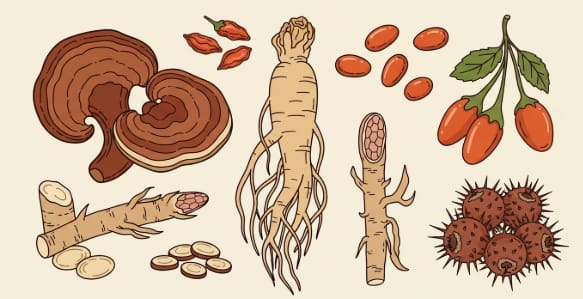
Maintaining consistent physical and mental stamina is essential for productivity, athletic performance, and long-term health. As modern lifestyles become more demanding, many individuals turn to herbal supplements for stamina as natural tools to support energy, endurance, and fatigue resistance. However, responsible use requires an evidence-based understanding of how these herbs work, what science supports, and how to use them safely. This article provides a comprehensive, medically accurate overview aligned with Google Health and E-E-A-T standards.
Introduction
Herbal supplements for stamina have been used for centuries across traditional medical systems to support vitality and sustained performance. Today, scientific research evaluates these herbs using clinical trials and biochemical analysis. Consequently, consumers can now rely on both traditional use and modern evidence when making informed decisions.
What Is Stamina from a Medical Perspective?
From a clinical standpoint, stamina refers to the body’s ability to sustain physical or cognitive effort over time. It depends on several physiological systems:
- Cellular energy production (ATP metabolism)
- Cardiovascular efficiency and oxygen delivery
- Nervous system regulation
- Hormonal balance, especially cortisol
- Muscle recovery and metabolic flexibility
Therefore, improving stamina requires systemic support rather than short-term stimulation.
How Herbal Supplements Support Stamina
Most herbal supplements for stamina act through adaptogenic and metabolic pathways. According to the World Health Organization (WHO), adaptogens help the body maintain balance during physical and psychological stress.
Key mechanisms include:
- Enhancing mitochondrial efficiency
- Reducing oxidative stress
- Modulating stress-response hormones
- Supporting oxygen utilization
- Improving neuromuscular coordination
As a result, benefits tend to develop gradually with consistent use.
Evidence-Based Herbal Supplements for Stamina
Rhodiola rosea
Rhodiola rosea is supported by clinical studies showing reduced fatigue and improved mental endurance. PubMed-indexed trials indicate benefits during stress-intensive conditions.
Key effects:
- Reduced perceived fatigue
- Improved focus during prolonged tasks
- Enhanced stress tolerance
Ashwagandha (Withania somnifera)
Ashwagandha has demonstrated benefits for physical performance and recovery. Randomized controlled trials show improvements in VO₂ max, muscle strength, and stress regulation.
Clinically supported benefits:
- Cortisol modulation
- Improved endurance capacity
- Enhanced recovery after exertion
The National Institutes of Health (NIH) recognizes Ashwagandha as a promising adaptogen.
Cordyceps sinensis
Cordyceps is a medicinal mushroom traditionally used to support respiratory and energy metabolism. Research suggests improved ATP production and oxygen efficiency.
Potential benefits:
- Improved aerobic performance
- Reduced exercise-induced fatigue
- Support for endurance activities
Standardized extracts are critical due to variability in commercial products.
Korean Ginseng (Panax ginseng)
Korean ginseng is one of the most extensively studied herbal supplements for stamina. Research published in Journal of Ginseng Research and indexed on PubMed indicates that ginsenosides support cellular energy metabolism and fatigue resistance.
Evidence-based benefits include:
- Improved physical endurance
- Reduced fatigue perception
- Support for stress adaptation and recovery
Unlike stimulants, Korean ginseng acts through adaptogenic mechanisms, making it suitable for long-term stamina support.
Comparison of Common Herbal Supplements for Stamina
| Herb | Primary Action | Evidence Level | Best Use Case |
|---|---|---|---|
| Rhodiola rosea | Anti-fatigue | Moderate | Stress-related fatigue |
| Ashwagandha | Strength & recovery | Moderate | Exercise support |
| Cordyceps | Oxygen utilization | Emerging | Aerobic endurance |
| Korean ginseng | Energy & stress adaptation | Moderate–Strong | Long-term stamina |
Safety and Responsible Use
Although natural, herbal supplements are biologically active. Safe use requires quality control and medical awareness.
Best practices include:
- Choosing standardized extracts
- Avoiding exaggerated performance claims
- Following evidence-based dosage ranges
- Consulting healthcare professionals when appropriate
WHO and NIH guidelines emphasize caution for pregnant individuals, those with chronic illness, or those using prescription medications.
Scientific and Institutional References
This article is informed by evidence from reputable institutions:
- World Health Organization (WHO) – https://www.who.int
- National Institutes of Health (NIH) – https://ods.od.nih.gov
- PubMed (U.S. National Library of Medicine) – https://pubmed.ncbi.nlm.nih.gov
- Journal of Ginseng Research
Practical Tips for Choosing Herbal Supplements for Stamina
To make informed choices:
- Verify third-party testing and certifications
- Confirm correct botanical names (Panax ginseng, not Eleuthero)
- Avoid stacking multiple adaptogens without guidance
- Combine supplementation with proper sleep, nutrition, and training
Herbal supplements should support, not replace, healthy lifestyle foundations.
Conclusion
Herbal supplements for stamina offer evidence-based support for endurance, energy resilience, and stress adaptation. Herbs such as Rhodiola, Ashwagandha, Cordyceps, and Korean ginseng (Panax ginseng) demonstrate varying but credible scientific support. When used responsibly and guided by evidence, these herbal supplements can contribute meaningfully to long-term vitality.
Read also: Ginseng for Stamina Support: Evidence-Based Benefits, Safety, and How to Use It Correctly
🇰🇷 Premium Korean Ginseng Online Shop