
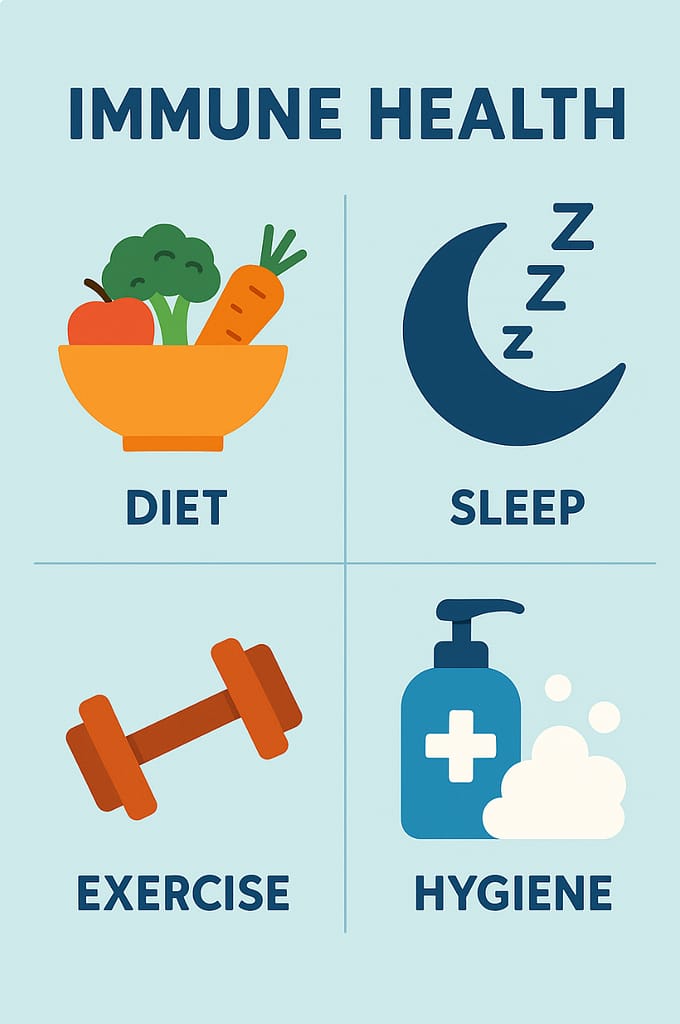
A strong immune system is the foundation of good health. It is the body’s defense network, designed to recognize and neutralize harmful invaders such as viruses, bacteria, and toxins. With modern lifestyles often characterized by stress, poor diet, and lack of rest, immunity can easily become compromised, leaving the body more vulnerable to infections and chronic illnesses.
Why Immune Health Matters
The immune system is not a single organ—it’s an intricate web of white blood cells, antibodies, proteins, and signaling pathways that work together to keep the body safe. When this system is balanced and strong, it not only prevents illness but also helps reduce recovery time and lowers the risk of autoimmune disorders.
A weakened immune system can manifest as:
- Frequent colds and infections
- Slow wound healing
- Chronic fatigue
- Digestive imbalances
Four Key Pillars of Strong Immunity
1. Balanced Diet
Nutrition is central to immune health. Eating a diet rich in vitamins, minerals, and antioxidants supports immune cells and reduces inflammation. Key nutrients include:
- Vitamin C: Found in citrus fruits, bell peppers, and broccoli.
- Vitamin D: Essential for immune modulation; sourced from sunlight and fortified foods.
- Zinc & Selenium: Critical for immune cell activation and antioxidant defense.
- Probiotics & Prebiotics: Maintain a healthy gut microbiome, which accounts for nearly 70% of immune activity.
2. Quality Sleep
Sleep is when the immune system resets and repairs itself. Studies show that less than 7 hours of sleep per night significantly lowers immune response to infections. Establishing consistent sleep patterns improves both innate and adaptive immunity.
3. Regular Exercise
Moderate physical activity enhances circulation and helps immune cells move more efficiently throughout the body. Activities like brisk walking, cycling, or yoga for at least 30 minutes a day can improve immune response and reduce inflammation.
4. Good Hygiene Practices
Basic hygiene is one of the simplest yet most effective tools against infection. Regular hand washing, safe food handling, and proper sanitation reduce exposure to harmful pathogens.
Lifestyle Habits That Strengthen Immunity
- Stress Management: Chronic stress elevates cortisol, which suppresses immune function. Meditation, journaling, and relaxation exercises can help.
- Hydration: Water supports lymphatic circulation, essential for immune transport.
- Avoid Smoking and Limit Alcohol: Both impair immune defense and increase susceptibility to infections.
For more guidance, see CDC resources on immune health.
Conclusion
Immune health is not built overnight—it is the result of consistent, daily practices. By eating nutrient-rich foods, maintaining good sleep, staying physically active, and practicing proper hygiene, anyone can build resilience and reduce their risk of illness. In a world full of environmental and lifestyle challenges, a strong immune system is one of the most valuable assets for long-term wellness.
🇰🇷 Premium Korean Ginseng Online Shop


