
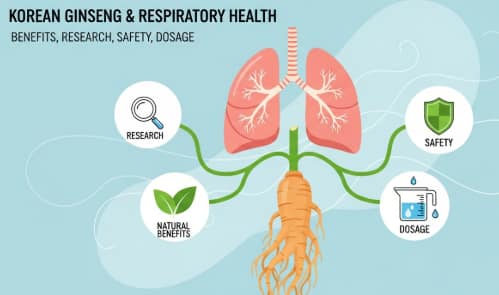
Korean Ginseng and Respiratory Health
Breathing affects every part of life, from energy levels to immune balance. Many people today look for natural ways to support lung wellness, especially during allergy season or recovery from respiratory challenges. In recent years, interest has grown in the connection between Korean Ginseng and respiratory health. Researchers have focused on how Panax ginseng may support lung function, immunity, and breathing comfort—without replacing medical treatment.
What Is Korean Ginseng?
Korean Ginseng, also known as Panax ginseng, is a traditional medicinal herb used in Korean and Chinese medicine for centuries. It contains bioactive compounds called ginsenosides, which may influence inflammation, immune responses, and energy production. According to the National Institutes of Health (NIH), Panax ginseng has been studied for immune function, antioxidant support, and respiratory conditions.
(Source: https://www.nih.gov/)
Key Active Components
- Ginsenosides (Rb1, Rg3, Rh1)
- Polysaccharides
- Polyphenols
- Antioxidants
These components may help reduce oxidative stress, which plays a role in respiratory irritation and inflammation.
Understanding the Link Between Korean Ginseng and Respiratory Health
Many respiratory issues begin with inflammation, viral activity, or immune stress. A growing body of research examines how Korean ginseng may affect these pathways. For example, a PubMed study found that ginseng extract helped improve immune activity in respiratory viral infections.
(Source: https://pubmed.ncbi.nlm.nih.gov/)
Korean ginseng may support respiratory health in several ways:
- Enhancing immune defense against viruses and bacteria
- Reducing airway inflammation
- Supporting respiratory muscle endurance
- Helping maintain lung capacity during aging
Although the research is promising, more studies are needed before ginseng can be recommended as a treatment.
How Korean Ginseng Supports Lung Function
Below are evidence-based ways Korean ginseng may support the respiratory system.
1. Boosts Immune Response
Strong immunity is essential for protecting the respiratory tract. Several studies have shown ginseng may stimulate immune cells such as:
- NK cells
- T cells
- Macrophages
This activity may help the body respond to respiratory pathogens.
2. Supports Anti-Inflammatory Response
Chronic inflammation can narrow airways and cause discomfort. Ginseng contains anti-inflammatory ginsenosides that may help regulate cytokines, which influence inflammation levels.
3. Acts as a Natural Antioxidant
Oxidative damage from pollution, smoke, or allergies may affect lung tissue. Ginseng’s antioxidant compounds help protect cells from damage over time.
4. May Improve Breathing Endurance
A clinical trial reported increased exercise capacity and improved oxygen utilization in adults who took ginseng supplements for eight weeks.
(Source: https://www.ncbi.nlm.nih.gov/)
This may be helpful for individuals seeking natural respiratory support alongside exercise and medical guidance.
Korean Ginseng vs Other Herbal Respiratory Remedies
| Feature | Korean Ginseng | Astragalus | Elderberry |
|---|---|---|---|
| Immune support | ✔✔✔ | ✔✔ | ✔✔ |
| Anti-inflammatory | ✔✔✔ | ✔✔ | ✔ |
| Supports breathing endurance | ✔✔✔ | ✔ | ✖ |
| Traditional medical use | 2000+ years | 1000+ years | 300+ years |
Korean ginseng may offer a broader range of benefits, especially related to energy and lung capacity.
Who May Benefit from Korean Ginseng?
Korean ginseng may be helpful for individuals experiencing:
- Occasional respiratory weakness
- Seasonal irritation
- Fatigue linked to breathing challenges
- Aging-related lung changes
However, it should always be used responsibly and never as a replacement for prescribed treatment.
Safety, Dosage, and Precautions
Most clinical studies use 200–400 mg daily of standardized ginseng extract, but individual needs vary.
Avoid use if:
- You are pregnant without physician approval
- You take antidiabetic, blood pressure, or blood-thinning medication
- You have autoimmune illness unless guided by a specialist
Side effects are usually mild and may include:
- Digestive discomfort
- Insomnia (due to stimulating effect)
- Headache
Always consult a healthcare professional before use.
How to Use Korean Ginseng for Respiratory Support
Forms available:
- Capsules
- Powder
- Tea
- Extract or tonic
- Fermented ginseng (more bioavailable)
For better results:
- Stay hydrated
- Maintain a healthy diet
- Combine with a breathing exercise routine
- Continue prescribed treatments
Frequently Asked Questions (FAQ)
1. Can Korean Ginseng cure lung disease?
No. Korean ginseng does not cure respiratory illness. It may support wellness, but medical treatment is essential.
2. How long does it take to feel benefits?
Most people notice effects within 2–4 weeks, depending on dosage and health status.
3. Is it safe to take Korean ginseng daily?
Daily use may be safe short-term (up to 3 months). However, consult a doctor before long-term use.
4. Can children use Korean ginseng?
Most health organizations recommend caution in children unless clinically supervised.
Final Thoughts
The growing interest in Korean ginseng and respiratory health reflects its potential role in supporting breathing comfort, immune balance, and energy. Research shows promising benefits, especially related to inflammation, antioxidant protection, and immune regulation. However, Korean ginseng should complement—not replace—medical diagnosis or treatment.
If you are considering Korean ginseng for respiratory support, consult a qualified healthcare professional to determine the best approach for your needs.
Disclaimer: This article is for educational purposes only and is not a substitute for professional medical advice, diagnosis, or treatment.
🇰🇷 Premium Korean Ginseng Online Shop


