
Introduction
Insulin sensitivity is a cornerstone of metabolic health. When the body’s cells respond effectively to insulin, glucose is efficiently absorbed and used for energy. Reduced insulin sensitivity—also known as insulin resistance—is a key factor in type 2 diabetes, metabolic syndrome, and cardiovascular complications.
Modern diets high in refined sugars, sedentary habits, and chronic stress contribute to declining insulin sensitivity. Addressing this issue early is critical for long-term health.
Korean Red Ginseng (Panax ginseng Meyer) offers a natural, scientifically validated way to enhance insulin sensitivity, improve glucose metabolism, and support overall metabolic function. Its centuries-long use as a tonic in East Asia now aligns with modern research confirming its adaptogenic and antidiabetic properties.
Understanding Insulin Sensitivity
Insulin is a hormone released by the pancreas in response to blood sugar. It signals cells—especially muscle and fat cells—to absorb glucose for energy or storage.
When cells become resistant to insulin, glucose remains in the bloodstream, causing elevated blood sugar, increased fat storage, and inflammation. Over time, this contributes to:
- Prediabetes or type 2 diabetes
- Weight gain, especially abdominal fat
- Increased cardiovascular risk
- Chronic fatigue and low energy
Restoring insulin sensitivity is therefore crucial for energy regulation, blood sugar control, and overall metabolic health.
How Korean Red Ginseng Enhances Insulin Sensitivity
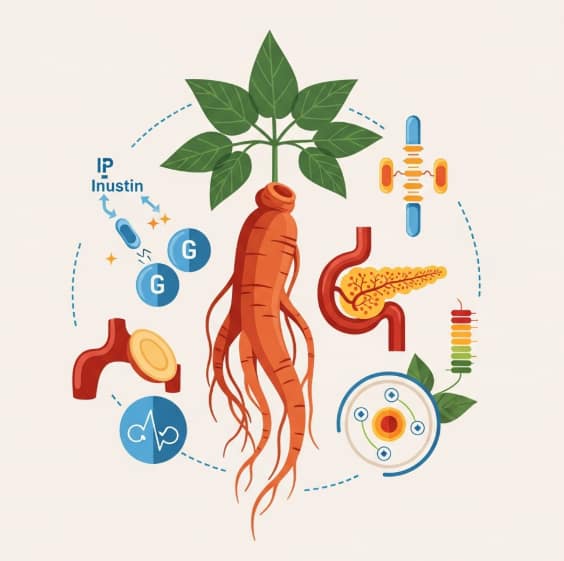
Scientific studies demonstrate several mechanisms by which red ginseng improves insulin function:
- Activation of GLUT4 Transporters
Ginsenosides, particularly Rb1 and Rg1, increase the expression and translocation of GLUT4 proteins in muscle and fat cells. GLUT4 is responsible for transporting glucose from the blood into cells, reducing circulating sugar levels. - Modulating Insulin Signaling Pathways
Red ginseng enhances the PI3K/Akt pathway, a key insulin signaling cascade, improving cellular response to insulin and promoting glucose uptake. - Reducing Oxidative Stress
Oxidative damage impairs insulin receptor function. The antioxidant properties of ginsenosides neutralize free radicals, protecting cells from insulin resistance. - Anti-Inflammatory Effects
Chronic inflammation contributes to insulin resistance. Red ginseng reduces inflammatory cytokines such as TNF-α and IL-6, improving insulin receptor sensitivity. - Regulating Fat and Energy Metabolism
Red ginseng promotes lipid breakdown and energy utilization, preventing fat accumulation that exacerbates insulin resistance.
Clinical Evidence Supporting Insulin Sensitivity
- A Journal of Ginseng Research (2019) study showed that overweight adults taking 2 g of red ginseng daily for 8 weeks experienced improved insulin sensitivity and reduced fasting glucose.
- In Frontiers in Pharmacology (2021), a meta-analysis concluded that red ginseng supplementation significantly enhanced insulin responsiveness in prediabetic and diabetic subjects.
- Animal studies indicate that ginsenoside Rb1 improves muscle glucose uptake while reducing hepatic glucose output, effectively restoring metabolic balance.
These studies validate traditional claims that red ginseng strengthens the body’s ability to maintain stable blood sugar and metabolic efficiency.
Energy and Fatigue Benefits Through Insulin Support
Poor insulin sensitivity can lead to fluctuating energy levels and fatigue. By improving glucose uptake, red ginseng helps:
- Stabilize blood sugar levels throughout the day
- Reduce post-meal energy crashes
- Improve cellular energy production via enhanced ATP synthesis
Users often report more sustained mental clarity, reduced mid-day fatigue, and better physical endurance.
Cardiometabolic Protection
Insulin resistance is strongly linked to cardiovascular risk factors, including high blood pressure, dyslipidemia, and atherosclerosis. Red ginseng supports cardiometabolic health by:
- Enhancing glucose metabolism
- Improving lipid profiles (lower LDL, higher HDL)
- Reducing vascular inflammation
This makes it a dual-purpose adaptogen, addressing both metabolic and cardiovascular aspects of health.
Gut Microbiota and Insulin Sensitivity
Emerging research highlights the gut–insulin connection. Korean Red Ginseng positively influences gut microbiota, increasing beneficial bacteria associated with improved insulin signaling and reduced inflammation.
By restoring gut balance, red ginseng indirectly supports glucose metabolism and overall metabolic resilience.
Antioxidant and Anti-Aging Effects
Insulin resistance accelerates oxidative stress and cellular aging. Ginsenosides in red ginseng:
- Reduce reactive oxygen species (ROS)
- Protect pancreatic β-cells and insulin receptors
- Support mitochondrial function for optimal energy production
These effects not only enhance insulin sensitivity but also contribute to long-term metabolic and cardiovascular wellness.
How to Integrate Korean Red Ginseng for Insulin Sensitivity
Dosage:
- 500–2000 mg standardized extract per day (≥5% ginsenosides)
- Take in the morning or early afternoon for best absorption
Forms:
- Capsules, tablets, or liquid extracts
- Ginseng tea or powdered root
Usage Tips:
- Combine with a balanced diet rich in fiber, lean proteins, and healthy fats
- Engage in regular physical activity to complement ginseng’s metabolic effects
- Monitor blood sugar if on medication and consult a healthcare provider
Selecting high-quality, GMP-certified Korean Red Ginseng ensures consistent potency and maximum benefit.
Red Ginseng vs Other Ginseng Varieties
Steamed and dried red ginseng contains higher levels of bioactive ginsenosides compared with white or fresh ginseng. These compounds:
- Improve insulin signaling more effectively
- Enhance antioxidant and anti-inflammatory activity
- Increase bioavailability and cellular absorption
This makes Korean Red Ginseng the preferred choice for improving insulin sensitivity and overall metabolic health.
Prevention and Long-Term Health
Enhancing insulin sensitivity early helps prevent metabolic disorders such as type 2 diabetes, obesity, and heart disease. Korean Red Ginseng supports this preventive approach by:
- Maintaining stable glucose levels
- Reducing inflammation and oxidative stress
- Supporting energy and endurance
Consistent supplementation, combined with a healthy lifestyle, can strengthen the body’s natural glucose regulation and promote long-term wellness.
Conclusion
Korean Red Ginseng is a scientifically validated, natural solution for improving insulin sensitivity and metabolic health. Its adaptogenic properties:
- Enhance glucose uptake and insulin receptor function
- Reduce oxidative stress and inflammation
- Improve energy levels and reduce fatigue
- Support cardiovascular and metabolic resilience
By integrating red ginseng into a balanced lifestyle, individuals can proactively maintain healthy blood sugar, prevent insulin resistance, and enhance overall vitality.
🇰🇷 Premium Korean Ginseng Online Shop


