
❤️ Introduction
Heart health is at the core of overall well-being. Modern lifestyles — marked by stress, high-fat diets, and sedentary routines — increase the risk of cardiovascular issues such as high blood pressure, cholesterol imbalance, and poor circulation.
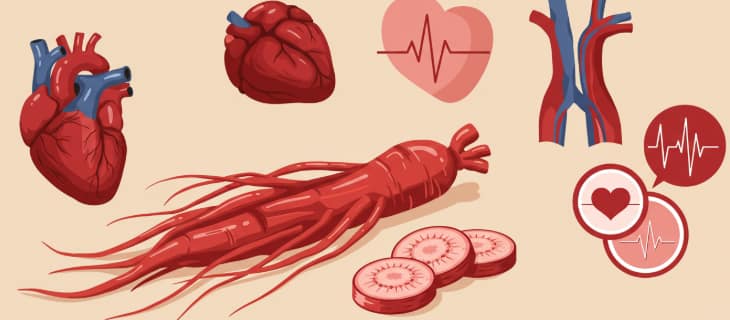
Among natural remedies, Korean Red Ginseng (Panax ginseng C.A. Meyer) has drawn scientific attention for its ability to improve circulation, regulate blood pressure, and protect the heart from oxidative stress.
This traditional herbal root, long used in Korean medicine for vitality and longevity, contains bioactive compounds known as ginsenosides, which are now recognized for their cardioprotective properties.
🔬 1. How Korean Red Ginseng Supports Cardiovascular Function
The cardiovascular benefits of Korean Red Ginseng are largely attributed to its diverse ginsenosides (especially Rg3, Rb1, and Rg5) that act on multiple pathways of vascular and cardiac health.
Scientific studies have shown that Korean Red Ginseng:
- Improves blood vessel elasticity by promoting nitric oxide (NO) synthesis, which relaxes blood vessels and enhances circulation.
- Reduces arterial stiffness, helping blood flow more efficiently.
- Supports healthy cholesterol levels by lowering LDL (bad cholesterol) and improving HDL (good cholesterol).
- Protects the heart muscle from oxidative and inflammatory damage.
In a 2020 Nutrients journal review, red ginseng supplementation improved endothelial function (the lining of blood vessels) and reduced oxidative biomarkers in patients with mild hypertension — showing measurable cardiovascular benefits.
💓 2. Regulating Blood Pressure Naturally
High blood pressure (hypertension) is one of the most common heart risks today.
Korean Red Ginseng helps regulate blood pressure through a bidirectional effect — it can slightly raise low blood pressure in those who are fatigued, and lower high blood pressure in individuals under stress or with mild hypertension.
This balancing action occurs because ginsenosides help modulate autonomic nervous system activity and nitric oxide levels, promoting vascular relaxation.
A study in the Journal of Ginseng Research (2018) found that subjects who consumed Korean Red Ginseng extract for 12 weeks experienced:
- Improved vascular tone
- A modest decrease in systolic and diastolic blood pressure
- Better heart rate variability (HRV), indicating reduced stress on the cardiovascular system
🩸 3. Enhancing Blood Circulation and Oxygen Delivery
Proper blood flow ensures that oxygen and nutrients reach every organ efficiently. Poor circulation can cause fatigue, cold extremities, and increase the risk of heart disease.
Korean Red Ginseng enhances microcirculation by dilating capillaries and reducing platelet aggregation (the clumping of blood cells that can lead to clot formation).
A Clinical and Experimental Pharmacology and Physiology study demonstrated that red ginseng extract reduced blood viscosity and improved oxygen utilization in the body — both crucial for maintaining heart performance and stamina.
🧬 4. Combating Oxidative Stress and Inflammation in the Heart
Chronic oxidative stress and inflammation accelerate atherosclerosis (the buildup of plaque in arteries).
Red ginseng’s antioxidant compounds, such as polyphenols, ginsenosides, and peptides, help neutralize free radicals and protect the vascular endothelium from damage.
These compounds also inhibit inflammatory pathways (like NF-κB activation), which are responsible for arterial inflammation and plaque formation.
As a result, long-term ginseng use can reduce the risk of conditions such as:
- Atherosclerosis
- Heart attack
- Stroke
⚖️ 5. Supporting Energy and Cardiac Efficiency
The heart is one of the most energy-demanding organs in the body. Korean Red Ginseng enhances mitochondrial energy production, allowing the heart to pump more efficiently while reducing fatigue.
Athletes and individuals with chronic fatigue have reported improved cardiovascular endurance and faster post-exercise recovery with ginseng supplementation.
Its adaptogenic properties help the body maintain balance during physical and emotional stress — indirectly benefiting heart rhythm and oxygen utilization.
🌿 6. How to Integrate Korean Red Ginseng into Your Routine
For cardiovascular support, recommended forms and doses include:
- Standardized extract (4–8% ginsenosides): 200–400 mg per day
- Capsule or powder: 1–2 grams daily
- Tea or tonic: 1–2 servings per day for maintenance
For best results, consistency is key. Always consult a healthcare professional before combining ginseng with blood thinners, antihypertensive medications, or diabetes treatments.
💠 7. The Long-Term Heart Health Benefits
With consistent use, Korean Red Ginseng supports a strong and resilient cardiovascular system.
Long-term benefits include:
- Improved blood vessel health and elasticity
- Better oxygen delivery and stamina
- Lower oxidative and inflammatory stress on the heart
- Balanced blood pressure and cholesterol
This makes Korean Red Ginseng not only a vitality booster but also a heart-protective adaptogen suitable for long-term wellness.
❤️ Conclusion
Korean Red Ginseng offers a powerful, science-backed approach to cardiovascular health.
Its ginsenosides work synergistically to improve circulation, regulate blood pressure, and protect the heart from oxidative damage — making it a valuable natural ally for modern heart care.
By incorporating Korean Red Ginseng into your daily routine, you can nurture a stronger heart, maintain balanced blood flow, and promote lasting vitality — naturally and effectively.
🇰🇷 Premium Korean Ginseng Online Shop


