
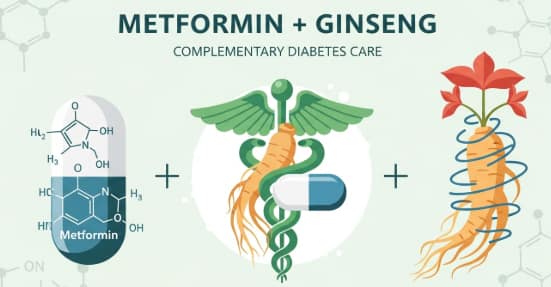
Metformin is widely regarded as the first-line treatment for type 2 diabetes, used by millions worldwide to maintain healthy blood sugar levels. While Metformin is highly effective, it is not without its challenges. Many patients experience side effects, ranging from mild digestive issues to rare but serious complications. This has led to growing interest in natural supplements like ginseng, which may complement diabetes management and help reduce some of the burdens associated with long-term medication use.
Understanding both the effects of Metformin and the potential benefits of ginseng empowers patients to make informed decisions, improving quality of life while maintaining optimal health.
Common Side Effects of Metformin
Metformin is generally considered safe, but some side effects are common, particularly in the early stages of treatment:
- Digestive Problems
Nausea, bloating, diarrhea, and stomach discomfort are among the most reported side effects. These symptoms are usually temporary and can be mitigated by taking Metformin with food or adjusting the dosage gradually. Persistent digestive issues, however, may indicate the need for medical review. - Vitamin B12 Deficiency
Long-term use of Metformin has been linked to decreased absorption of vitamin B12, a crucial nutrient for nerve function and red blood cell formation. Patients are advised to monitor vitamin B12 levels periodically, especially if fatigue or neurological symptoms appear. - Lactic Acidosis (Rare but Severe)
Lactic acidosis is an uncommon but potentially life-threatening condition. Symptoms may include muscle pain, weakness, difficulty breathing, and unusual fatigue. Immediate medical attention is required if these occur. - Appetite Changes and Weight Management
Some patients experience reduced appetite, which may contribute to weight loss. While this can be beneficial for overweight patients, it’s important to maintain proper nutrition and ensure the body gets sufficient energy.
How Ginseng Supports Diabetes Management
Ginseng (Panax ginseng) has a long history of use in traditional medicine and is increasingly studied for its potential benefits in diabetes care. Scientific evidence suggests that ginseng may help regulate blood sugar levels and improve overall metabolic health.
Key benefits include:
- Improved Insulin Sensitivity
Ginseng has been shown to enhance the body’s ability to respond to insulin, helping cells absorb glucose more efficiently. - Blood Sugar Regulation
Regular supplementation with ginseng may help lower fasting blood sugar and postprandial glucose levels, supporting overall glycemic control. - Energy and Stamina Support
Many diabetic patients report increased energy levels and reduced fatigue when using ginseng, which can help counteract one of the common side effects of Metformin. - Anti-inflammatory and Antioxidant Effects
Ginseng contains bioactive compounds that reduce oxidative stress and inflammation, both of which play a role in the progression of diabetes-related complications.
Combining Ginseng with Metformin
While ginseng cannot replace Metformin, it can serve as a natural adjunct to conventional treatment. Potential benefits include:
- Reducing blood sugar fluctuations
Helps prevent sharp spikes or drops that may contribute to nausea or dizziness associated with Metformin. - Boosting energy levels
Counters fatigue, one of the most common complaints among Metformin users. - Supporting nerve health
Can complement vitamin B12 supplementation to protect against peripheral neuropathy.
Important note: Patients should consult healthcare providers before combining ginseng with Metformin or any other diabetes medication, as interactions may affect blood sugar levels.
Research-Backed Insights
- A 2019 study published in Journal of Ginseng Research highlighted that Panax ginseng supplementation can significantly reduce fasting blood glucose in patients with type 2 diabetes.
- Meta-analyses suggest that combining lifestyle management, Metformin, and natural supplements like ginseng may enhance glycemic control more effectively than medication alone.
Practical Tips for Patients
- Start Slowly
Introduce ginseng gradually and monitor blood sugar levels closely. - Track Symptoms
Keep a diary of any changes in energy, digestive health, or blood sugar. - Maintain Medical Supervision
Always discuss supplement use with your endocrinologist or primary care provider.
Conclusion
Metformin remains a cornerstone in type 2 diabetes management due to its effectiveness in controlling blood sugar. However, side effects such as digestive discomfort, fatigue, and vitamin B12 deficiency can impact daily life. Ginseng offers a promising natural complement to support blood sugar regulation, boost energy, and enhance overall well-being. Combining evidence-based medication with herbal support can help patients achieve better health outcomes while minimizing side effects.
🇰🇷 Premium Korean Ginseng Online Shop


