
Introduction
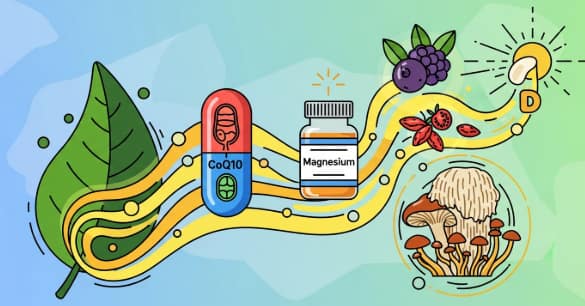
Natural energy optimization supplements are designed to improve energy availability without forcing stimulation. In contrast to caffeine-driven products, natural energy optimization supplements target the biological systems responsible for ATP generation, neuroendocrine balance, oxygen delivery, and cellular stress resistance. When fatigue is chronic or recurrent, these systems are often impaired rather than “under-stimulated.”
From a medical perspective, fatigue is rarely a single-ingredient problem. Instead, it reflects cumulative metabolic inefficiency. Therefore, a science-based approach is essential when evaluating natural energy optimization supplements for long-term use.
Understanding Human Energy at the Cellular Level
ATP: The Core Currency of Energy
All usable energy in the human body is stored as adenosine triphosphate (ATP). ATP is produced primarily inside mitochondria through oxidative phosphorylation.
Key requirements for ATP production include:
- Adequate micronutrients
- Oxygen availability
- Intact mitochondrial membranes
- Balanced redox status
When any of these factors are compromised, subjective fatigue develops.
According to NIH-supported research, mitochondrial dysfunction is associated with chronic fatigue, aging, and metabolic disease.
Source: https://www.ncbi.nlm.nih.gov/pmc/articles/PMC4566449/
Why Stimulation Fails Long-Term
Stimulants increase neurotransmitter release. However, they do not increase ATP production.
Short-term effects include:
- Increased alertness
- Temporary motivation
Long-term consequences may include:
- Cortisol dysregulation
- Neurotransmitter depletion
- Sleep architecture disruption
Therefore, natural energy optimization supplements prioritize efficiency, not excitation.
Core Categories of Natural Energy Optimization Supplements
1. Mitochondrial Cofactors
These compounds directly support ATP synthesis.
Magnesium
Magnesium binds ATP and stabilizes it biologically. Without magnesium, ATP remains inactive.
Clinical relevance:
- Low magnesium correlates with fatigue and poor exercise tolerance
- Repletion improves neuromuscular efficiency
Source: Nutrients Journal
https://www.ncbi.nlm.nih.gov/pmc/articles/PMC5452224/
Coenzyme Q10 (Ubiquinone/Ubiquinol)
CoQ10 transfers electrons within the mitochondrial respiratory chain.
Evidence indicates:
- Reduced CoQ10 levels with aging
- Statin therapy significantly lowers CoQ10
- Supplementation improves fatigue in selected populations
Source: PubMed
https://pubmed.ncbi.nlm.nih.gov/24305446/
2. Micronutrients for Oxygen and Metabolism
Iron (When Deficient)
Iron supports hemoglobin synthesis. Even mild deficiency reduces oxygen delivery.
Important note:
- Iron should only be supplemented after laboratory confirmation
WHO guidelines emphasize screening prior to supplementation.
https://www.who.int/publications
B-Complex Vitamins
B vitamins act as enzymatic cofactors.
Critical roles include:
- Glycolysis (B1)
- Redox reactions (B2, B3)
- Neurotransmitter synthesis (B6)
- DNA synthesis and red blood cells (B12)
NIH Fact Sheets:
https://ods.od.nih.gov/factsheets/list-all/
Adaptogens and Neuroendocrine Energy Regulation
Adaptogens do not increase energy directly. Instead, they normalize stress response systems.
Cortisol Modulation
Chronic cortisol elevation disrupts circadian rhythm and mitochondrial function.
Adaptogens may:
- Reduce cortisol variability
- Improve perceived energy resilience
- Support mental endurance
WHO monographs recognize traditional adaptogenic use, though effects are modest.
https://www.who.int/publications
Clinical Evidence: What the Data Actually Shows
Supported Outcomes
- Reduced fatigue scores in deficient individuals
- Improved exercise tolerance
- Better stress adaptation
Not Supported
- Instant energy surges
- Disease treatment claims
- Universal effectiveness
This distinction is essential for ethical health communication.
Comparison Table: Energy Support Approaches
| Approach | Mechanism | Sustainability | Risk Profile |
|---|---|---|---|
| Caffeine | CNS stimulation | Low | Moderate |
| Sugar | Rapid glucose | Very low | High |
| Natural energy optimization supplements | Cellular efficiency | High | Low (when used correctly) |
Population-Specific Considerations
Natural energy optimization supplements may benefit:
- Adults under chronic occupational stress
- Individuals reducing stimulant intake
- Older adults with mitochondrial decline
- Athletes during recovery phases
However, persistent fatigue requires medical evaluation to exclude anemia, thyroid disease, or sleep disorders.
Safety, Quality, and Regulatory Perspective
The FDA and NIH stress:
- Supplements support normal physiology
- They do not treat disease
- Quality control varies by manufacturer
Best practices include:
- Third-party testing
- Transparent labeling
- Evidence-based dosing
FDA guidance:
https://www.fda.gov/food/dietary-supplements
Korean Ginseng: A Brief Scientific Context
Korean ginseng contains ginsenosides that may influence energy metabolism and neuroendocrine signaling. Some trials report small improvements in fatigue perception. However, results are inconsistent.
Therefore:
- It should not be a primary energy strategy
- Effects are adjunctive at best
- Overuse may cause overstimulation
Its role remains limited within evidence-based frameworks.
Conclusion
Natural energy optimization supplements work by restoring biological efficiency rather than forcing stimulation. Their value lies in supporting mitochondrial health, oxygen delivery, and stress regulation.
When combined with sleep, nutrition, and medical guidance, they represent a rational, low-risk approach to sustainable energy. However, professional evaluation remains essential for persistent fatigue.
Read also: Ginseng for Energy Support: Evidence-Based Benefits, Safety, and How It Works
Medical Disclaimer:
This content is educational and does not replace medical advice. Consult a healthcare professional before supplementation.