
Introduction
Searching for natural ways to improve health has become a global trend. Many adults want sustainable solutions that support energy, immunity, and long-term wellness. Importantly, modern research now confirms that several traditional practices align with evidence-based medicine. Among them, lifestyle optimization and clinically studied herbal supplements, such as Korean ginseng, stand out. This article explores practical, medically responsible strategies rooted in science, not hype.
Understanding Natural Ways to Improve Health Through Science
When discussing natural approaches, accuracy matters. According to the World Health Organization (WHO), natural health strategies should support the body’s physiology rather than override it. Therefore, effective interventions often combine nutrition, movement, sleep, stress regulation, and carefully selected herbal compounds.
Natural methods do not replace medical care. Instead, they complement it. As a result, many healthcare systems now integrate lifestyle medicine with conventional treatment models.
Nutrition as a Foundation for Whole-Body Health
Balanced nutrition remains one of the most reliable natural ways to improve health. Research from the National Institutes of Health (NIH) consistently shows that dietary quality influences inflammation, metabolic balance, and immune resilience.
Key nutrition principles supported by evidence:
- Prioritize whole foods over ultra-processed products
- Consume adequate fiber from vegetables, fruits, and legumes
- Choose healthy fats, such as olive oil and omega-3 sources
- Maintain sufficient protein intake for muscle and metabolic health
Moreover, micronutrient deficiencies, including zinc and B vitamins, may impair energy metabolism. Therefore, food quality matters more than calorie counting alone.
Authoritative source:
https://www.ncbi.nlm.nih.gov/books/NBK535456/
Physical Activity and Metabolic Resilience
Regular physical activity improves cardiovascular health and insulin sensitivity. According to the Centers for Disease Control and Prevention (CDC), even moderate exercise reduces the risk of chronic disease.
Notably, exercise also enhances mitochondrial function. This mechanism directly supports energy production at the cellular level. Consequently, movement is not optional for long-term health.
Practical recommendations:
- Aim for 150 minutes of moderate exercise weekly
- Include resistance training at least twice per week
- Break prolonged sitting with short movement breaks
These habits form a cornerstone of natural health optimization.
Sleep and Stress Regulation: Often Ignored, Scientifically Critical
Sleep deprivation disrupts hormonal balance. Cortisol rises, while growth hormone declines. Over time, this imbalance weakens immune defenses and increases cardiometabolic risk.
Meanwhile, chronic stress alters the hypothalamic-pituitary-adrenal (HPA) axis. Fortunately, natural interventions can restore balance.
Evidence-based strategies include:
- Consistent sleep schedules
- Mindfulness or breath-based practices
- Limiting evening blue-light exposure
Harvard Medical School emphasizes that sleep quality directly affects longevity and cognitive performance.
Reference:
https://www.health.harvard.edu/staying-healthy/why-sleep-matters
Korean Ginseng and Natural Ways to Improve Health
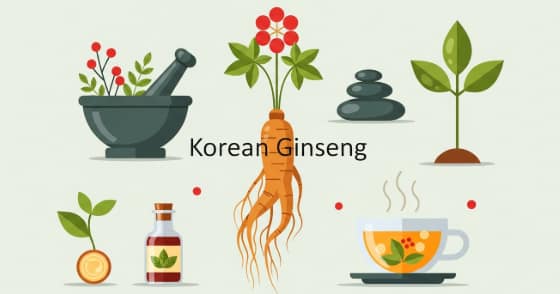
Among herbal adaptogens, Korean ginseng (Panax ginseng) holds a unique scientific profile. Used for centuries in East Asian medicine, it is now extensively studied in modern clinical research.
How Korean ginseng supports health:
- Modulates immune response
- Supports energy metabolism
- Helps regulate stress response
- Contributes to cognitive and physical endurance
Clinical studies published in PubMed demonstrate that ginsenosides, the active compounds in Korean ginseng, influence nitric oxide production and mitochondrial efficiency.
Importantly, these effects align with the concept of natural ways to improve health without overstimulation.
Peer-reviewed source:
https://pubmed.ncbi.nlm.nih.gov/30670199/
Comparing Korean Ginseng with Other Herbal Approaches
Not all herbal supplements are equal. Some lack standardization or clinical backing. Korean ginseng differs due to strict cultivation and processing standards.
| Feature | Korean Ginseng | Common Herbal Tonics |
|---|---|---|
| Clinical studies | Extensive | Limited |
| Active compounds | Standardized ginsenosides | Variable |
| Safety profile | Well-documented | Inconsistent |
Therefore, selection quality directly impacts outcomes.
Safety, Dosage, and Medical Responsibility
Although Korean ginseng is generally safe, it is not suitable for everyone. Individuals with chronic illness, pregnancy, or medication use should consult healthcare professionals.
Safety considerations:
- Avoid excessive dosages
- Monitor blood pressure and glucose if sensitive
- Use products from reputable manufacturers
This article does not replace professional medical advice. Always seek guidance from a qualified healthcare provider.
Building a Sustainable Natural Health Strategy
True health improvement requires consistency. No supplement works alone. Instead, synergy matters.
Integrated approach:
- Nutritious diet
- Regular movement
- Restorative sleep
- Stress regulation
- Evidence-based herbal support
When combined, these strategies amplify results. Consequently, individuals experience better vitality and resilience.
Conclusion: A Thoughtful Step Toward Better Health
Choosing natural ways to improve health reflects a desire for long-term well-being, not quick fixes. Science confirms that lifestyle habits, supported by clinically studied herbs like Korean ginseng, can enhance quality of life.
If you are ready to invest in your health with confidence, choose premium-grade Korean ginseng backed by research and tradition. Your body deserves solutions rooted in evidence, care, and respect.
🇰🇷 Premium Korean Ginseng Online Shop


