
Introduction
Maintaining stable energy is essential for productivity, cognitive clarity, and long-term health. Many people rely on caffeine or sugar, yet these strategies often cause energy crashes. Instead, natural ways to maintain energy focus on supporting the body’s metabolic, hormonal, and neurological systems. This article explains evidence-based strategies that help sustain energy safely and effectively throughout the day.
Energy is not just about calories. It depends on mitochondrial function, blood glucose balance, sleep quality, hydration, mental load, and micronutrient status. Therefore, a comprehensive approach works best. The guidance below follows recommendations from reputable organizations such as the World Health Organization (WHO), the National Institutes of Health (NIH), and peer-reviewed research indexed in PubMed.
Understanding Energy: A Biological Perspective
Energy production occurs primarily in mitochondria. These cellular structures convert nutrients into adenosine triphosphate (ATP). When any step in this process is disrupted, fatigue develops.
Several factors influence ATP production:
- Oxygen delivery through healthy circulation
- Adequate glucose and fatty acid metabolism
- B-vitamins, iron, magnesium, and coenzyme Q10
- Hormonal balance, especially cortisol and thyroid hormones
Because energy depends on multiple systems, natural interventions should address lifestyle, diet, and stress together. This integrated view aligns with current medical consensus.
Nutrition-Based Natural Ways to Maintain Energy
Eat for Stable Blood Sugar
Blood sugar fluctuations are a leading cause of fatigue. Rapid spikes followed by crashes reduce mental and physical stamina. Balanced meals prevent this pattern.
Effective strategies include:
- Combine carbohydrates with protein and healthy fats
- Prefer low–glycemic index foods
- Eat regular meals to avoid prolonged fasting
Examples of energy-stabilizing foods:
| Food Group | Examples | Energy Benefit |
|---|---|---|
| Complex carbs | Oats, brown rice, quinoa | Slow glucose release |
| Protein | Eggs, fish, legumes | Sustained satiety |
| Healthy fats | Olive oil, nuts, avocado | Hormonal support |
According to the NIH, balanced macronutrient intake improves metabolic efficiency and reduces fatigue risk.
Micronutrients That Support Energy Metabolism
Micronutrient deficiencies often present as low energy. Even mild insufficiency can impair mitochondrial function.
Key nutrients include:
- Iron: Supports oxygen transport
- Vitamin B12 and folate: Essential for red blood cell production
- Magnesium: Required for ATP synthesis
WHO data show iron deficiency remains one of the most common global nutritional issues. Therefore, dietary assessment is critical, especially for menstruating women, athletes, and older adults.
Food-first approaches are preferred. Supplements should only follow professional evaluation.
Hydration and Electrolyte Balance
Dehydration reduces blood volume and oxygen delivery. Even a 1–2% fluid loss can impair energy and concentration.
Practical hydration tips:
- Drink water consistently, not only when thirsty
- Increase intake during heat or physical activity
- Include mineral-rich foods like vegetables and soups
Additionally, electrolytes such as sodium and potassium help nerve signaling. Balanced hydration supports both physical and mental endurance.
Sleep Optimization as a Core Energy Strategy
Sleep is a non-negotiable foundation of energy. During sleep, the brain clears metabolic waste, and the body repairs tissues.
The NIH recommends 7–9 hours of sleep for most adults. However, quality matters as much as duration.
To improve sleep-related energy:
- Maintain consistent sleep and wake times
- Limit screen exposure before bed
- Avoid heavy meals late at night
Because sleep debt accumulates, short-term deprivation can cause long-term fatigue. Therefore, improving sleep is one of the most powerful natural ways to maintain energy.
Movement and Physical Activity
Exercise increases mitochondrial density and improves insulin sensitivity. While intense workouts help, moderate daily movement is often more sustainable.
Energy-supportive activities include:
- Brisk walking
- Light resistance training
- Mobility and stretching sessions
According to WHO guidelines, at least 150 minutes of moderate activity per week improves vitality and reduces fatigue. Importantly, overtraining can reduce energy. Balance remains essential.
Stress Management and Nervous System Balance
Chronic stress elevates cortisol. Over time, this disrupts sleep, blood sugar, and immune function.
Effective stress-reduction methods include:
- Breathing exercises
- Mindfulness or meditation
- Time in natural environments
Research published in PubMed shows that stress-reduction techniques improve perceived energy and reduce fatigue scores. Therefore, managing mental load is a medical necessity, not a luxury.
Natural Ways to Maintain Energy at Work and Daily Life
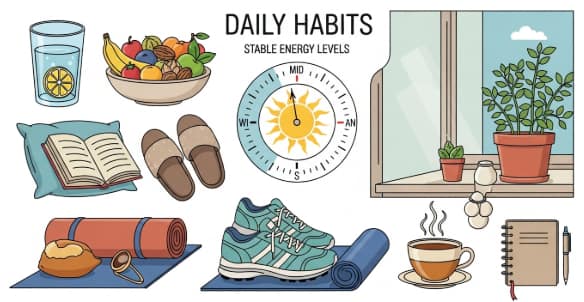
Daily habits strongly influence energy stability. Small behavioral changes often produce significant results.
Consider these practical strategies:
- Take short movement breaks every hour
- Eat protein-rich breakfasts
- Avoid excessive late-day caffeine
Additionally, cognitive fatigue responds well to structured rest. Brief breaks improve attention without reducing productivity.
Comparing Natural Energy Strategies vs. Stimulants
| Aspect | Natural Strategies | Stimulants |
|---|---|---|
| Duration | Sustained | Short-lived |
| Side effects | Minimal | Anxiety, crashes |
| Health impact | Supportive | Often disruptive |
This comparison highlights why long-term energy depends on physiology, not stimulation.
Evidence-Based Herbal Support (Brief Overview)
Some herbs may support energy indirectly by improving stress response or circulation. Among them, Korean ginseng has been studied for its adaptogenic properties. Research suggests it may reduce fatigue perception in certain populations. However, effects are modest and not universal.
Importantly, herbal supplements should not replace foundational strategies. Individuals with medical conditions should consult a healthcare professional before use.
Safety, Medical Guidance, and Professional Consultation
Fatigue can signal underlying conditions such as anemia, thyroid disorders, or sleep apnea. Therefore, persistent low energy requires medical evaluation.
This article provides educational guidance, not diagnosis or treatment. Always consult qualified healthcare professionals before making significant dietary or supplement changes.
Conclusion
Energy is a complex biological outcome influenced by nutrition, sleep, movement, hydration, and stress regulation. Sustainable vitality does not come from quick fixes. Instead, natural ways to maintain energy focus on restoring balance and supporting cellular function.
By applying evidence-based strategies and listening to physiological signals, most people can significantly improve daily energy. When needed, professional guidance ensures safety and personalization. Long-term energy is not about doing more—it is about supporting the body more effectively.
Read also: Ginseng Supplement for Stamina: Evidence-Based Benefits of Korean Ginseng for Energy and Vitality