
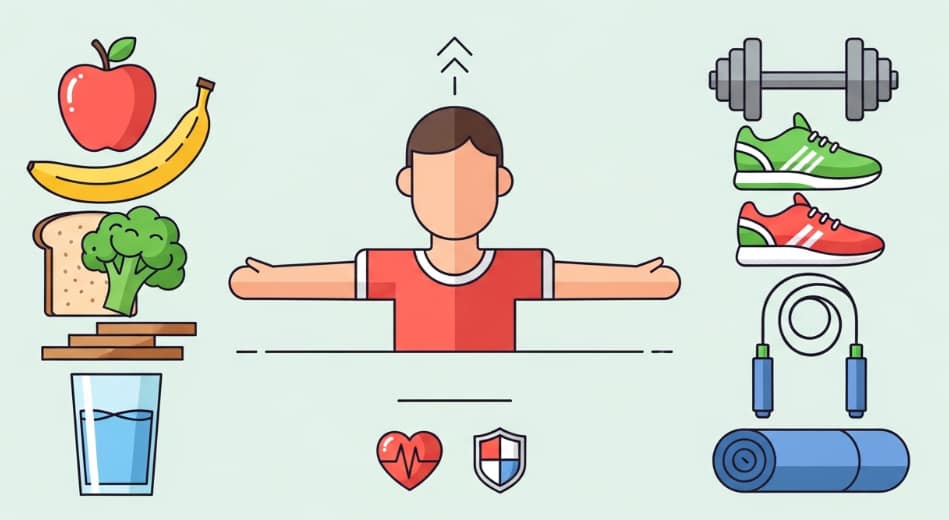
Maintaining a healthy lifestyle in your 30s and 40s can feel challenging. Between work responsibilities, family obligations, and social commitments, adults in this age group often struggle to prioritize their health. However, this period of life is crucial for setting the foundation for long-term wellness, preventing chronic diseases, and maintaining energy and vitality. A balanced approach that combines nutrition, fitness, and lifestyle habits is key. This article explores evidence-based strategies for adults aged 30–45 to maintain optimal health and fitness.
1. Understanding Health Priorities in Your 30s and 40s
As you move from your 20s into your 30s and 40s, your metabolism naturally slows down, muscle mass begins to decline, and risk factors for chronic conditions such as diabetes, heart disease, and hypertension increase. Recognizing these changes is the first step in adopting a proactive health plan.
Key priorities include:
- Maintaining a healthy weight
- Building and preserving muscle mass
- Supporting heart and brain health
- Sustaining energy levels for work and daily life
- Reducing stress and improving mental well-being
By focusing on these areas, adults can prevent health problems before they arise and enjoy a higher quality of life.
2. Nutrition for Adults 30–45
Proper nutrition is the cornerstone of a healthy lifestyle. Adults in their 30s and 40s benefit from a diet that supports metabolism, maintains energy, and prevents chronic disease.
a. Prioritize Whole Foods
Whole, minimally processed foods provide essential vitamins, minerals, and antioxidants that help prevent disease and boost energy. Include:
- Vegetables and fruits: Rich in fiber, vitamins, and antioxidants. Aim for a variety of colors daily.
- Whole grains: Oats, quinoa, brown rice, and whole-wheat products provide fiber and stabilize blood sugar.
- Lean proteins: Chicken, fish, eggs, tofu, and legumes help maintain muscle mass and repair tissues.
- Healthy fats: Avocados, nuts, seeds, and olive oil support heart and brain health.
b. Balance Macronutrients
For adults balancing work and family, maintaining energy throughout the day is essential. A balanced plate includes:
- 40% carbohydrates (preferably complex carbs)
- 30% protein
- 30% healthy fats
This balance helps control appetite, stabilize blood sugar, and support metabolic health.
c. Stay Hydrated
Hydration is often overlooked but critical. Adults should aim for at least 2–3 liters of water daily, adjusting for exercise, climate, and individual needs. Proper hydration supports digestion, energy, and mental focus.
d. Limit Processed Foods and Added Sugars
Processed foods, sugary snacks, and beverages can increase the risk of weight gain, diabetes, and heart disease. Focus on home-cooked meals with natural ingredients whenever possible.
e. Consider Supplements Wisely
While whole foods are the best source of nutrients, adults may benefit from:
- Vitamin D: Supports bone health and immune function
- Omega-3 fatty acids: Supports heart and brain health
- Multivitamins: Fill minor nutrient gaps
Always consult a healthcare provider before starting any supplements.
3. Fitness Strategies for Adults 30–45
Exercise is equally important as nutrition. Regular physical activity preserves muscle mass, strengthens bones, improves mood, and reduces the risk of chronic disease.
a. Strength Training
Muscle mass naturally declines by about 3–8% per decade after age 30. Strength training helps counter this:
- Frequency: 2–4 times per week
- Exercises: Squats, lunges, push-ups, pull-ups, dumbbell presses, resistance bands
- Benefits: Increased metabolism, stronger bones, improved posture, and injury prevention
b. Cardiovascular Exercise
Cardio supports heart health and weight management:
- Options: Walking, jogging, cycling, swimming, or HIIT
- Frequency: 150 minutes of moderate or 75 minutes of vigorous activity per week
- Tip: Mix moderate and high-intensity sessions for maximum benefit
c. Flexibility and Mobility
Maintaining flexibility and joint health prevents injuries:
- Activities: Yoga, Pilates, or dedicated stretching routines
- Benefits: Better posture, reduced back pain, and improved range of motion
d. Practical Tips for Busy Adults
- Incorporate short workouts (15–20 minutes) if time is limited
- Use stairs, walk during lunch breaks, or do bodyweight exercises at home
- Track activity with apps or wearables to maintain consistency
4. Lifestyle Habits That Complement Nutrition and Fitness
Adopting healthy lifestyle habits enhances the benefits of nutrition and exercise.
a. Sleep
Quality sleep supports recovery, hormonal balance, and mental clarity. Adults should aim for 7–9 hours per night. Tips for better sleep include:
- Maintaining a consistent sleep schedule
- Reducing screen time before bed
- Creating a calm, dark sleep environment
b. Stress Management
Chronic stress affects weight, digestion, and heart health. Techniques include:
- Meditation and mindfulness
- Deep breathing exercises
- Journaling or therapy
- Regular physical activity
c. Limit Alcohol and Avoid Smoking
- Excessive alcohol increases the risk of liver disease, heart problems, and weight gain.
- Smoking accelerates aging and increases chronic disease risk. Quitting improves overall health dramatically.
d. Regular Health Check-ups
Routine medical screenings allow early detection and prevention of health issues:
- Blood pressure and cholesterol checks
- Blood sugar and weight monitoring
- Cancer screenings as recommended
5. Creating a Sustainable Health Plan
The key to long-term success is sustainability. Extreme diets or unrealistic workout routines often fail. A practical approach includes:
- Set Realistic Goals: Focus on gradual improvements in nutrition, strength, and endurance.
- Plan Meals: Prepare healthy meals ahead to avoid unhealthy choices.
- Schedule Workouts: Treat exercise as an essential appointment.
- Track Progress: Use journals, apps, or photos to monitor changes.
- Adjust and Adapt: Life changes, so adjust nutrition and fitness plans accordingly.
6. Sample Daily Routine for Adults 30–45
Here’s an example of a balanced day combining nutrition, fitness, and lifestyle habits:
- 6:30 AM: Wake up, drink a glass of water
- 7:00 AM: 20–30 min strength training or yoga
- 8:00 AM: Breakfast – oatmeal with fruits, nuts, and Greek yogurt
- 10:30 AM: Snack – apple with almond butter
- 12:30 PM: Lunch – grilled chicken, quinoa, and steamed vegetables
- 3:00 PM: Snack – protein smoothie or mixed nuts
- 6:00 PM: 30–40 min cardio (walk, jog, or cycling)
- 7:00 PM: Dinner – baked salmon, sweet potato, and salad
- 9:30 PM: Wind down – read or meditate
- 10:30 PM: Sleep
This routine can be customized based on personal schedules, fitness levels, and dietary preferences.
7. Overcoming Common Challenges
a. Time Constraints
- Use short, high-intensity workouts
- Meal prep on weekends
- Incorporate movement into daily tasks
b. Motivation
- Set clear, achievable goals
- Join fitness groups or online communities
- Celebrate small milestones
c. Plateaus
- Vary exercise routines
- Reassess nutrition intake
- Incorporate recovery days
8. The Long-Term Benefits
By prioritizing nutrition, fitness, and lifestyle habits in your 30s and 40s, adults can:
- Maintain a healthy weight and body composition
- Preserve muscle mass and bone density
- Boost energy, productivity, and mental clarity
- Reduce the risk of chronic diseases such as heart disease, diabetes, and obesity
- Enjoy a higher quality of life as they age
Conclusion
Maintaining a healthy lifestyle in your 30s and 40s doesn’t require extreme diets or hours at the gym. A balanced approach that integrates proper nutrition, regular physical activity, quality sleep, stress management, and routine check-ups is both effective and sustainable. By making these habits part of daily life, adults can enjoy better health, more energy, and long-term vitality well into their later years.
Prioritize your health today—your future self will thank you.