
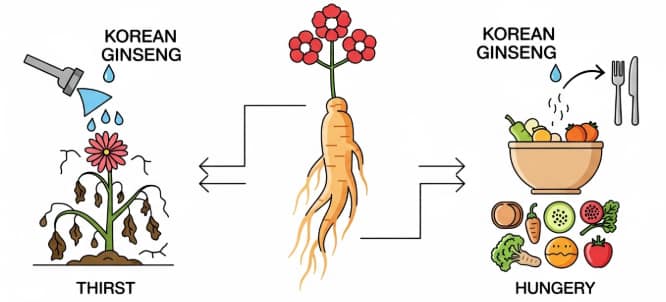
Persistent thirst paired with sudden hunger is one of the classic warning signs of diabetes. While occasional thirst or hunger is normal, experiencing these sensations frequently and intensely may indicate underlying blood sugar imbalances. Early recognition is crucial because these symptoms are often the first signals that your body’s glucose metabolism is being disrupted.
Modern treatment, such as Metformin, is highly effective in controlling blood sugar, but natural supplements like Korean ginseng (Panax ginseng) are increasingly recognized for their ability to support diabetes management, enhance energy, and improve overall metabolic health.
This article provides a comprehensive guide on why you may experience constant thirst and sudden hunger, the medical mechanisms behind these symptoms, and how Korean ginseng can serve as a complementary approach for long-term diabetes support.
Why You Might Feel Thirsty and Hungry at the Same Time
This combination of symptoms is medically known as polydipsia (excessive thirst) and polyphagia (excessive hunger). Both are hallmark indicators of diabetes and blood sugar dysregulation.
1. High Blood Sugar (Hyperglycemia)
- When blood glucose levels rise, your kidneys work to filter out the excess sugar through urine.
- This process draws water from your body, leading to dehydration and intense thirst.
- Despite high glucose in the bloodstream, cells may be starved for energy due to insufficient insulin or insulin resistance, which triggers hunger signals, even immediately after eating.
2. Insulin Resistance or Deficiency
- In type 2 diabetes, insulin resistance prevents glucose from entering the body’s cells efficiently, leaving them “hungry” for energy.
- In type 1 diabetes, a lack of insulin production produces a similar effect.
- Both scenarios often manifest as frequent thirst and hunger.
3. Excessive Urination (Polyuria)
- High blood sugar levels increase urination frequency, which further accelerates fluid loss, leading to dehydration.
- The body signals thirst as a protective response.
4. Dietary and Lifestyle Factors
- Diets high in refined sugar or simple carbohydrates can cause rapid spikes and drops in blood glucose, triggering thirst and hunger cycles.
- Lack of fiber slows digestion and prevents stable glucose release, contributing to sudden hunger.
5. Other Medical Conditions
While diabetes is the most common cause, persistent thirst and hunger can also be linked to:
- Thyroid imbalances
- Adrenal disorders
- Chronic kidney disease
Early medical evaluation is essential to rule out other causes.
Why Recognizing These Symptoms Early Matters
Ignoring persistent thirst and sudden hunger can lead to:
- Uncontrolled blood sugar spikes
- Increased fatigue and cognitive sluggishness
- Complications affecting kidneys, nerves, and eyes
- Reduced effectiveness of medication, especially if dietary or lifestyle factors are ignored
Prompt recognition allows for early intervention, which can prevent long-term complications and improve daily functioning.
How Korean Ginseng Can Support Blood Sugar and Reduce Symptoms
Korean ginseng (Panax ginseng) is a natural herbal remedy studied for its ability to support metabolic health and regulate blood sugar. Research indicates multiple benefits for people experiencing diabetes symptoms such as polydipsia and polyphagia.
1. Enhances Insulin Sensitivity
Ginseng improves the body’s ability to use insulin efficiently. This allows glucose to enter cells more effectively, reducing the persistent “hunger signal” caused by cellular glucose starvation.
2. Stabilizes Blood Sugar Levels
- Ginseng helps reduce both fasting and post-meal glucose spikes.
- Stable glucose levels can minimize episodes of excessive thirst and sudden hunger.
3. Boosts Energy and Reduces Fatigue
- By enhancing glucose uptake, cells have better access to energy.
- This reduces feelings of lethargy and brain fog, which are common in uncontrolled diabetes.
4. Provides Antioxidant and Anti-inflammatory Support
- The bioactive compounds in ginseng, called ginsenosides, combat oxidative stress and inflammation.
- Chronic inflammation contributes to diabetes-related complications, including heart disease, kidney damage, and neuropathy.
5. Supports Kidney and Cardiovascular Health
- By reducing oxidative stress, ginseng may help protect kidneys from high blood sugar damage.
- It may also promote better circulation and cardiovascular function, addressing common diabetes risks.
Scientific Evidence Supporting Ginseng for Diabetes
- A 2019 study in the Journal of Ginseng Research found that Panax ginseng supplementation significantly reduced fasting glucose levels in type 2 diabetes patients.
- Meta-analyses suggest that ginseng, combined with lifestyle changes and medication, can enhance overall glycemic control.
- Additional studies highlight ginseng’s antioxidant properties, showing potential protective effects against diabetic complications such as neuropathy and kidney disease.
Lifestyle Strategies to Manage Frequent Thirst and Hunger
While ginseng provides supportive benefits, lifestyle modifications remain critical for symptom management:
- Monitor Blood Sugar Closely
- Track fasting, post-meal, and random glucose levels to understand patterns.
- Use a glucometer or continuous glucose monitor for better insights.
- Maintain Proper Hydration
- Drink water consistently throughout the day.
- Avoid sugary drinks, which can worsen glucose fluctuations.
- Follow a Balanced Diet
- Focus on high-fiber vegetables, lean proteins, and complex carbohydrates.
- Avoid processed sugar and refined carbs to reduce rapid spikes in blood sugar.
- Incorporate Regular Exercise
- Physical activity improves insulin sensitivity and helps regulate glucose.
- Aim for at least 150 minutes of moderate aerobic exercise weekly, combined with strength training.
- Ensure Adequate Sleep and Stress Management
- Poor sleep and chronic stress can exacerbate blood sugar dysregulation.
- Mindfulness, yoga, or meditation can support hormonal balance.
- Consider Korean Ginseng as a Supportive Supplement
- Consult a healthcare provider before adding ginseng, especially if you are on Metformin or other diabetes medications.
- Ginseng may complement your treatment by stabilizing blood sugar, boosting energy, and supporting overall metabolic health.
Practical Tips for Integrating Ginseng Safely
- Start with Low Doses: Gradually introduce ginseng while monitoring blood sugar levels.
- Track Effects: Keep a diary of energy, thirst, hunger, and blood glucose readings.
- Use High-Quality Sources: Choose premium Korean ginseng from trusted suppliers.
- Combine with Medication and Lifestyle: Ginseng is most effective when used alongside prescribed medication, healthy diet, and regular exercise.
Conclusion
Frequent thirst combined with sudden hunger is a warning sign that should not be ignored. It often signals underlying blood sugar imbalances associated with diabetes. Early recognition, proper blood sugar monitoring, lifestyle adjustments, and supplementation with Korean ginseng can help stabilize glucose levels, reduce symptoms, and improve energy and overall well-being.
By addressing both medical treatment and natural support, patients can achieve a holistic approach to diabetes management, improving quality of life and reducing the risk of complications.
🇰🇷 Premium Korean Ginseng Online Shop


