
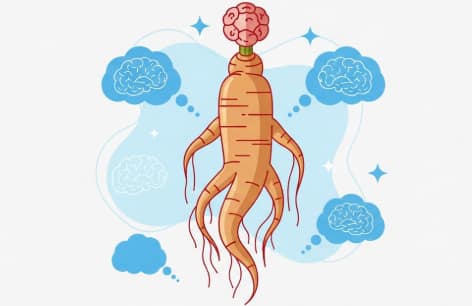
Introduction
Modern life pushes the nervous system hard. Deadlines, screens, and poor sleep add up. Many readers now search for stress and anxiety natural supplements because they want support without heavy side effects. In this guide, you will learn what works, what is safe, and what science says. We will also connect the topic to Korean ginseng, a well-studied adaptogenic herb. Most importantly, this article uses evidence from reputable sources and keeps claims conservative.
Before we start, remember one rule. Supplements do not replace medical care. If symptoms are severe or persistent, talk with a clinician. Medical Disclaimer: This article is for educational purposes only. It does not replace professional medical advice, diagnosis, or treatment. Always consult a qualified healthcare professional before starting any supplement, especially if you have a medical condition or take medications.
What Are Stress and Anxiety?
Stress is a normal response. It prepares the body to act. Anxiety is different. It is persistent worry or fear that can impair daily life. Both involve the same systems: the hypothalamic–pituitary–adrenal (HPA) axis and the autonomic nervous system. Cortisol and adrenaline rise. Sleep suffers. Focus drops. Over time, immunity and heart health can suffer.
Therefore, a rational plan targets three goals:
- Reduce excessive stress signaling
- Improve resilience to daily stressors
- Support sleep, mood, and cognition
Lifestyle steps matter first. Exercise, sleep, and therapy come before pills. However, selected supplements can support these foundations.
How Natural Supplements May Help
Natural products do not “cure” anxiety disorders. Still, some compounds show modest benefits in trials. They may work by:
- Modulating neurotransmitters, such as GABA and serotonin
- Reducing inflammation and oxidative stress
- Improving stress adaptation through the HPA axis
- Supporting sleep quality and daytime energy
Because evidence varies, we should rank options by quality of data and safety. The National Institutes of Health (NIH) and PubMed summarize much of this research. You can explore them at:
- NIH Office of Dietary Supplements: https://ods.od.nih.gov/
- PubMed: https://pubmed.ncbi.nlm.nih.gov/
- World Health Organization (WHO): https://www.who.int/
Evidence-Based Options for Stress and Anxiety
Below are commonly used supplements. Each has different evidence strength. Also, each has specific cautions.
1) Magnesium
Magnesium supports nerve signaling. Low intake is common. Several trials suggest benefits for mild anxiety and stress-related symptoms.
Why it may help:
- Regulates NMDA and GABA receptors
- Supports muscle relaxation and sleep
Practical notes:
- Forms such as magnesium glycinate or citrate absorb well.
- Typical doses range from 200–400 mg daily.
- Diarrhea can occur at higher doses.
2) L-theanine
L-theanine is an amino acid from tea. It promotes calm without sedation.
Evidence:
- Studies show improved relaxation and attention.
- It may reduce stress responses during tasks.
Use tips:
- Common doses are 100–200 mg.
- It pairs well with caffeine to reduce jitteriness.
3) Ashwagandha
Ashwagandha is an adaptogen from Ayurveda. It is often studied for stress.
Evidence:
- Randomized trials show reduced perceived stress and cortisol.
- Some benefits appear within 8–12 weeks.
Cautions:
- Avoid during pregnancy.
- People with thyroid disease should consult a clinician.
4) Omega-3 Fatty Acids
EPA and DHA support brain health.
Evidence:
- Meta-analyses suggest small benefits for anxiety symptoms.
- Effects are stronger in people with low baseline intake.
Use tips:
- Aim for 1–2 grams of combined EPA/DHA daily.
- Choose purified products to avoid contaminants.
Korean Ginseng and Stress Adaptation
Now let us focus on Korean ginseng (Panax ginseng). This herb is not a sedative. Instead, it is an adaptogen. Adaptogens help the body maintain balance under stress.
Learn more Korean Ginseng for Stress: Evidence-Based Benefits, Safety, and How It Works
Mechanisms proposed:
- Modulation of the HPA axis
- Support for mitochondrial energy production
- Antioxidant and anti-inflammatory effects
What the research suggests:
- Reviews on PubMed describe potential benefits for fatigue, cognition, and stress resilience.
- Some trials show improved mental performance under stress.
- The evidence is moderate, not definitive.
You can review background research here:
- NIH on Panax ginseng: https://www.ncbi.nlm.nih.gov/books/NBK92779/
- Review articles on PubMed: https://pubmed.ncbi.nlm.nih.gov/?term=panax+ginseng+stress
Because of these properties, many people include ginseng in a broader plan for stress and anxiety natural supplements. However, it works best when combined with sleep, nutrition, and exercise.
Safety notes:
- Typical standardized extracts range from 200–400 mg daily.
- Avoid combining with stimulants at high doses.
- People with hypertension, diabetes, or on blood thinners should ask a doctor first.
How to Choose Quality Supplements
Quality varies widely. Therefore, use a checklist.
Look for:
- Third-party testing (USP, NSF, or similar)
- Clear labeling of active compounds
- Transparent sourcing and manufacturing
- Reasonable dosing that matches studies
Avoid:
- Products with “miracle cure” claims
- Proprietary blends with hidden doses
- Very high doses without clinical backing
In addition, read reviews from reliable organizations. The NIH Office of Dietary Supplements provides fact sheets. ConsumerLab and USP also test products.
Integrating Supplements with Lifestyle Care
Supplements should support habits, not replace them. A practical plan looks like this:
- Sleep: Aim for 7–9 hours. Keep a consistent schedule.
- Movement: Do at least 150 minutes of moderate exercise weekly.
- Nutrition: Eat protein, fiber, and omega-3 sources. Limit ultra-processed foods.
- Mind skills: Try breathing exercises or cognitive behavioral strategies.
- Social support: Stay connected. Isolation worsens anxiety.
When these pillars are stable, supplements can add marginal gains. That is the realistic expectation.
Special Populations and Drug Interactions
Some groups need extra caution:
- Pregnant or breastfeeding: Many herbs lack safety data. Avoid unless cleared by a clinician.
- Chronic disease: Conditions like hypertension, diabetes, or autoimmune disease require guidance.
- Medications: SSRIs, benzodiazepines, stimulants, and blood thinners can interact with herbs.
Always bring a list of supplements to your healthcare provider. This step reduces risk.
Common Questions
Do natural supplements work as well as prescription drugs?
No. For diagnosed anxiety disorders, therapy and medications have stronger evidence. Supplements may help mild symptoms or support overall resilience.
How long until benefits appear?
Some, like L-theanine, act within hours. Others, like ashwagandha or ginseng, may need weeks.
Can I combine several products?
Sometimes. However, more is not always better. Start one at a time and monitor effects.
Learn more Korean Ginseng for Stress: Evidence-Based Benefits, Safety, and How It Works
Conclusion: Choosing Ginseng and Building a Calmer Life
Living with constant pressure is exhausting. You deserve better days. A careful plan that blends sleep, movement, and smart nutrition can change your baseline. For some people, stress and anxiety natural supplements add another layer of support. Among them, Korean ginseng stands out for its long history and modern research on stress adaptation.
Choose products that are tested, transparent, and properly dosed. Start low. Track how you feel. Most of all, treat supplements as partners to healthy habits, not replacements. If you want to invest in your resilience and mental clarity, consider high-quality Korean ginseng from a trusted source today. Small steps, taken daily, can rebuild calm and confidence.
🇰🇷 Premium Korean Ginseng Online Shop


