
Introduction
Supplements for sexual wellness are increasingly explored by adults seeking safe, natural ways to support libido, sexual performance, and overall reproductive health. As sexual wellness is closely linked to hormonal balance, cardiovascular health, psychological well-being, and metabolic function, evidence-based nutritional support has gained attention in clinical nutrition and integrative medicine. However, not all supplements are equally effective or appropriate. This article provides a comprehensive, science-driven review of supplements for sexual wellness, aligned with Google Health content standards and E-E-A-T principles.
Understanding Sexual Wellness from a Medical Perspective
Sexual wellness extends beyond sexual activity. It reflects physical, emotional, and hormonal health across the lifespan. According to the World Health Organization (WHO), sexual health is a state of well-being, not merely the absence of disease.
Several physiological systems influence sexual function:
- Endocrine system (testosterone, estrogen, DHEA)
- Cardiovascular system (blood flow and endothelial health)
- Nervous system (neurotransmitters and nerve signaling)
- Psychological factors (stress, mood, confidence)
Therefore, supplements for sexual wellness must be evaluated within this multi-system context.
Key Nutrients and Supplements for Sexual Wellness
1. Zinc and Sexual Hormone Regulation
Zinc is an essential trace mineral with a direct role in testosterone synthesis and sperm quality. Clinical studies show that zinc deficiency is associated with reduced testosterone levels and impaired sexual function.
Evidence highlights:
- Zinc supports luteinizing hormone activity.
- Adequate intake is linked to improved sperm motility.
- Zinc also supports immune and prostate health.
Food sources include oysters, pumpkin seeds, and red meat. Supplementation may benefit individuals with low dietary intake.
2. Magnesium and Neuromuscular Function
Magnesium supports nerve transmission, muscle relaxation, and energy metabolism. These functions are critical for sexual performance and arousal.
Research published in Biological Trace Element Research indicates that magnesium may support free testosterone levels, particularly in physically active individuals.
Additionally, magnesium contributes to better sleep quality, which indirectly supports sexual health.
3. L-Arginine and Nitric Oxide Pathways
L-arginine is a semi-essential amino acid involved in nitric oxide synthesis. Nitric oxide supports vasodilation, which is essential for erectile function and genital blood flow.
Clinical relevance:
- Studied in mild erectile dysfunction.
- Often combined with pycnogenol or citrulline.
- May support endothelial health.
However, individuals with cardiovascular conditions should consult healthcare professionals before use.
Herbal Supplements Commonly Used for Sexual Wellness
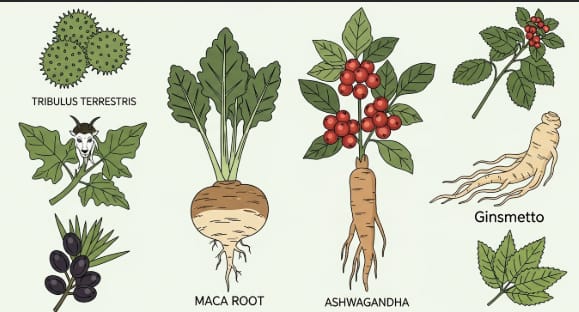
4. Maca Root (Lepidium meyenii)
Maca is a Peruvian root traditionally used to enhance libido and stamina. Several randomized controlled trials published in Andrology report improved sexual desire without altering hormone levels.
Key characteristics:
- Non-hormonal mechanism
- Adaptogenic properties
- Generally well tolerated
Maca is often included in supplements for sexual wellness aimed at both men and women.
5. Tribulus Terrestris: Myth vs. Evidence
Tribulus terrestris is widely marketed for testosterone support. However, evidence remains mixed.
- Some studies show improved libido.
- Most trials show no significant testosterone increase.
- Effects may be psychological rather than hormonal.
Reputable organizations such as the National Institutes of Health (NIH) advise cautious interpretation of claims.
6. Ashwagandha and Stress-Related Sexual Dysfunction
Ashwagandha (Withania somnifera) is an adaptogenic herb studied for stress reduction. Chronic stress negatively affects sexual desire and performance.
Clinical studies suggest:
- Reduced cortisol levels
- Improved sperm parameters
- Enhanced sexual satisfaction in stressed individuals
Ashwagandha may be useful where anxiety or fatigue contributes to sexual concerns.
Comparing Evidence-Based Supplements
| Supplement | Primary Benefit | Evidence Strength | Suitable For |
|---|---|---|---|
| Zinc | Hormonal support | Strong | Men, fertility |
| Magnesium | Energy, relaxation | Moderate | Men & women |
| L-Arginine | Blood flow | Moderate | Men |
| Maca Root | Libido enhancement | Moderate | Men & women |
| Ashwagandha | Stress reduction | Moderate | Stress-related issues |
Safety, Dosage, and Medical Considerations
While supplements for sexual wellness are widely accessible, safety remains critical. Natural does not always mean risk-free.
Important considerations:
- Avoid exceeding recommended dosages.
- Check for interactions with medications.
- Be cautious with cardiovascular or endocrine conditions.
- Use third-party tested products.
The U.S. Food and Drug Administration (FDA) and NIH emphasize that supplements should complement, not replace, medical care.
Role of Lifestyle in Sexual Wellness
Supplements alone are insufficient without supportive lifestyle factors. Research consistently shows that sexual health improves with:
- Regular physical activity
- Balanced, nutrient-dense diet
- Adequate sleep
- Stress management
- Smoking and alcohol moderation
Therefore, supplements should be part of a broader, evidence-based wellness strategy.
Brief Note on Korean Ginseng
Korean ginseng (Panax ginseng) has been studied for its potential role in sexual vitality. Some clinical trials suggest modest improvements in erectile function due to nitric oxide modulation. However, effects vary, and evidence remains limited. Korean ginseng should be viewed as a supportive option rather than a primary intervention.
When to Consult a Healthcare Professional
Persistent sexual dysfunction may signal underlying conditions such as diabetes, cardiovascular disease, or hormonal imbalance. Therefore, professional evaluation is essential before initiating supplements for sexual wellness.
Organizations such as:
- World Health Organization (WHO)
- National Institutes of Health (NIH)
- PubMed-indexed journals
consistently emphasize individualized, evidence-based care.
Conclusion
Supplements for sexual wellness can play a supportive role when chosen carefully and used responsibly. Evidence-based nutrients such as zinc, magnesium, L-arginine, and selected herbal extracts show potential benefits when integrated into a healthy lifestyle. However, scientific evidence varies, and exaggerated claims should be avoided. Informed decisions, credible sourcing, and medical guidance remain the foundation of safe and effective sexual wellness support.
Read also: Korean Red Ginseng and Erectile Dysfunction: A Natural, Science-Backed Solution for Men’s Vitality