
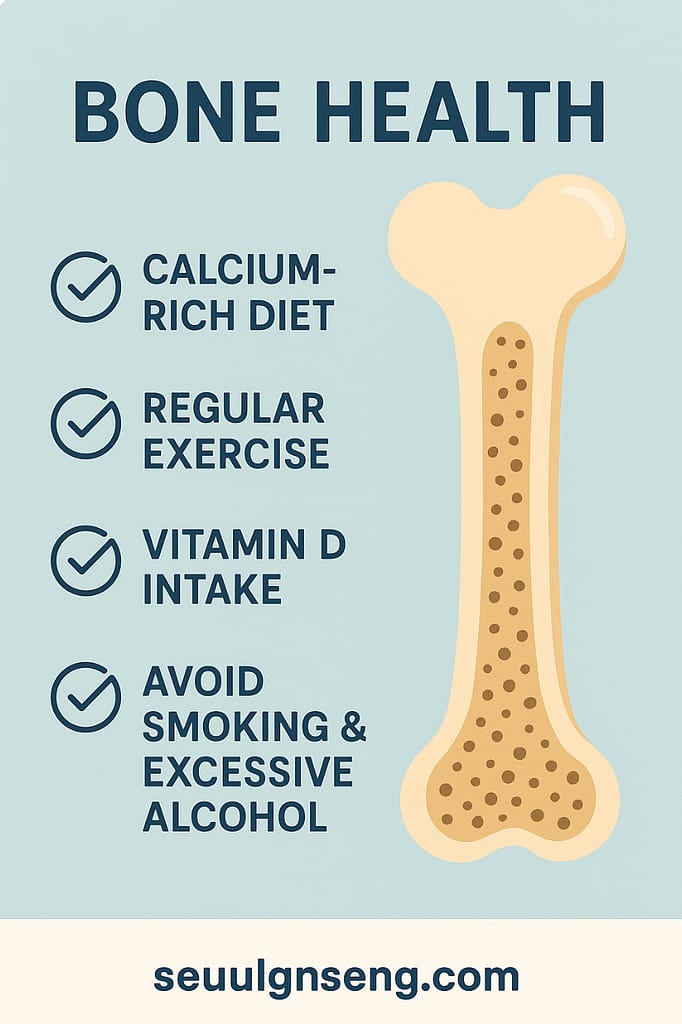
Maintaining strong bones is essential for lifelong health. Bones support our bodies, protect vital organs, and serve as a reservoir for minerals like calcium and phosphorus. Yet, bone health is often overlooked until problems arise, such as fractures or osteoporosis. This article explores the importance of bone health, the factors that influence it, and evidence-based strategies to keep bones resilient at every stage of life.
🧬 Why Bone Health Matters
Bones are living tissues that constantly remodel—old bone breaks down, and new bone forms. Peak bone mass is typically reached in early adulthood (around ages 25–30). After this, the balance shifts, and more bone may be lost than gained. This gradual loss can increase the risk of osteoporosis, a condition where bones become weak and brittle.
Globally, osteoporosis affects millions of people, especially postmenopausal women and older men. According to the International Osteoporosis Foundation, one in three women and one in five men over 50 will experience an osteoporotic fracture in their lifetime. These fractures can lead to reduced mobility, chronic pain, and loss of independence.
🥗 Nutrition for Bone Strength
The foundation of healthy bones starts with nutrition:
- Calcium: The primary mineral in bones. Dairy products, leafy greens, almonds, and fortified foods are excellent sources.
- Vitamin D: Essential for calcium absorption. Sun exposure, fatty fish, and fortified foods help maintain adequate levels.
- Protein: Important for bone structure and muscle support.
- Magnesium, Vitamin K, and Phosphorus: Trace nutrients that also play crucial roles in bone metabolism.
A balanced diet rich in these nutrients helps maintain bone density and strength throughout life.
🏃 Lifestyle Factors That Impact Bone Health
- Regular Weight-Bearing Exercise
- Activities such as walking, running, and strength training stimulate bone growth and slow down bone loss.
- Avoid Smoking and Excessive Alcohol
- Both habits can interfere with calcium absorption and bone remodeling.
- Maintain a Healthy Body Weight
- Being underweight increases fracture risk, while obesity can put excess stress on joints.
- Preventing Falls
- Good balance and muscle strength reduce the likelihood of falls, a major cause of fractures in older adults.
👩⚕️ Medical Screening and Prevention
- Bone Density Tests (DEXA scans) are recommended for women over 65 and men over 70, or earlier if risk factors are present.
- Medications such as bisphosphonates may be prescribed for individuals with osteoporosis.
- Hormone levels (e.g., estrogen in women, testosterone in men) influence bone health and should be monitored when imbalances are suspected.
🌍 Global Health Perspective
Bone health is not only a personal concern but also a public health issue. The economic burden of osteoporotic fractures is immense, costing billions annually in healthcare expenses worldwide. Promoting bone health through preventive strategies can significantly reduce this burden.
For more scientific insights, visit trusted sources like:
✅ Conclusion
Bone health is foundational to overall well-being. With the right nutrition, exercise, and preventive measures, you can maintain strong bones and reduce the risk of fractures. Don’t wait until problems arise—start investing in your bone health today.
🇰🇷 Premium Korean Ginseng Online Shop


