
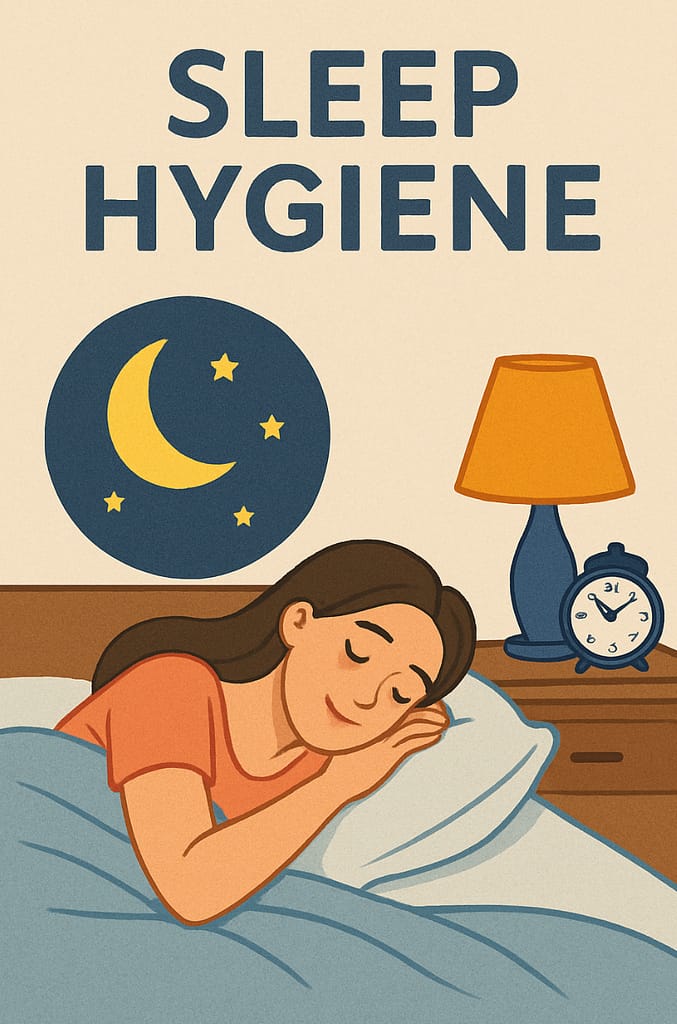
Why Sleep Hygiene Matters in Modern Life
In today’s fast-paced society, sleep is often sacrificed for work, social obligations, and digital distractions. Yet, quality sleep is one of the most critical foundations of good health. The concept of sleep hygiene—the practices and habits that contribute to a good night’s rest—has gained increasing attention as research continues to show its far-reaching impact on mental, emotional, and physical well-being.
What Is Sleep Hygiene?
Sleep hygiene refers to a set of daily practices and environmental adjustments that promote consistent, restful, and high-quality sleep. While it sounds simple, maintaining proper sleep hygiene can make the difference between waking up refreshed and struggling with fatigue, irritability, or even chronic health conditions.
The Health Benefits of Good Sleep Hygiene
- Improved Mental Health
Sleep plays a vital role in emotional regulation. Lack of sleep increases the risk of anxiety, depression, and mood swings. Restful sleep supports stable mental health and resilience to stress. - Enhanced Cognitive Performance
Adequate rest strengthens memory, concentration, and problem-solving skills. Studies from Harvard Medical School highlight that deep sleep consolidates learning and enhances brain plasticity. - Stronger Immune Function
Sleep and immunity are closely connected. According to the National Institutes of Health (NIH), people who sleep fewer than 7 hours are more likely to catch common infections like colds and flu. - Heart Health and Metabolism
Chronic sleep deprivation is linked to hypertension, diabetes, and obesity. Regular, high-quality sleep regulates blood pressure, blood sugar levels, and appetite-related hormones. - Longevity and Quality of Life
Numerous long-term studies indicate that consistent, restorative sleep lowers the risk of premature death and supports healthy aging.
Practical Tips for Better Sleep Hygiene
- Stick to a Schedule: Go to bed and wake up at the same time daily, even on weekends.
- Create a Sleep-Inducing Environment: A dark, quiet, and cool bedroom improves sleep quality.
- Limit Blue Light Exposure: Avoid phones, tablets, and TVs at least one hour before bedtime.
- Exercise Regularly: Moderate exercise helps promote deeper sleep, but avoid intense workouts right before bed.
- Avoid Caffeine and Alcohol: Stimulants and nightcaps can disrupt natural sleep cycles.
- Wind Down with a Routine: Reading, meditation, or warm baths signal your body it’s time to rest.
Scientific Insights
- A 2021 Sleep Health Journal study showed that poor sleep hygiene habits are a leading contributor to insomnia across all age groups.
- Research in the Journal of Clinical Sleep Medicine demonstrated that individuals practicing structured sleep hygiene routines reported better mood, concentration, and daytime performance.
- Long-term evidence confirms that adults require 7–9 hours of sleep per night for optimal health outcomes.
Conclusion
Sleep hygiene is more than just a wellness trend—it’s an essential lifestyle practice. By cultivating healthy bedtime habits and protecting your sleep environment, you not only boost your energy and productivity but also safeguard your long-term physical and mental health. Making small changes today can lead to a lifetime of benefits.
🇰🇷 Premium Korean Ginseng Online Shop


