
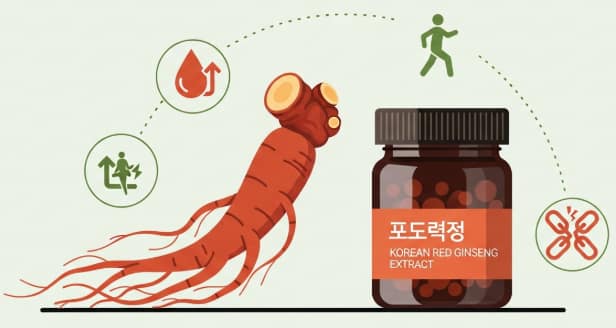
Maintaining balanced blood sugar and healthy insulin function has become one of the key goals in modern preventive health. As rates of metabolic disorders such as prediabetes and insulin resistance continue to rise globally, natural interventions are drawing more attention from both researchers and consumers. Among these, Korean Red Ginseng (Panax ginseng C.A. Meyer) has emerged as one of the most promising adaptogenic herbs with scientifically validated benefits for insulin sensitivity and metabolic health.
This article explores the scientific evidence behind Korean Red Ginseng’s impact on blood sugar regulation, insulin response, and its potential role in preventing metabolic syndrome — based on human and animal studies, biochemical analysis, and traditional use.
🔬 Understanding Insulin Sensitivity and Metabolic Syndrome
Insulin sensitivity refers to how effectively your body’s cells respond to insulin, the hormone responsible for transporting glucose from the bloodstream into cells for energy. When insulin sensitivity decreases — a condition known as insulin resistance — the pancreas compensates by producing more insulin, eventually leading to high blood sugar and metabolic dysfunction.
Over time, this imbalance can lead to metabolic syndrome, a cluster of conditions including:
- Elevated fasting glucose
- High blood pressure
- Increased waist circumference
- High triglycerides
- Low HDL (“good”) cholesterol
Metabolic syndrome significantly increases the risk of developing type 2 diabetes and cardiovascular disease.
This is where Korean Red Ginseng comes into focus.
🌿 What Makes Korean Red Ginseng Unique?
Korean Red Ginseng (also called Panax ginseng) is a traditional herbal root cultivated for six years before being steamed and dried — a process that enhances its concentration of bioactive compounds called ginsenosides. These compounds have demonstrated antioxidant, anti-inflammatory, and insulin-modulating properties in multiple scientific studies.
Unlike regular white ginseng, the red-processed form has a higher concentration of Rg1, Rb1, Rg3, and other ginsenosides that play a direct role in glucose metabolism and energy regulation.
⚙️ How Korean Red Ginseng Improves Insulin Sensitivity
Several mechanisms have been proposed to explain how Korean Red Ginseng enhances insulin sensitivity and glucose utilization:
- Improves glucose uptake in muscle and liver cells
Ginsenosides such as Rb1 and Rg3 enhance the expression of GLUT4, a glucose transporter that allows cells to absorb glucose more efficiently — particularly in skeletal muscle and adipose tissue. - Reduces oxidative stress and inflammation
Chronic inflammation in adipose (fat) tissue is one of the leading drivers of insulin resistance. Red ginseng’s antioxidant compounds reduce inflammatory cytokines such as TNF-α and IL-6, helping restore metabolic balance.
→ Source: NIH – Antioxidant Effects of Ginseng - Enhances insulin receptor sensitivity
Studies suggest that red ginseng increases phosphorylation of the insulin receptor and downstream signaling pathways like PI3K/Akt, improving how cells respond to insulin.
→ Source: PubMed – Ginseng and Insulin Resistance - Supports pancreatic β-cell function
In animal models, Korean Red Ginseng helps protect pancreatic β-cells from oxidative damage, maintaining steady insulin secretion even under metabolic stress. - Balances gut microbiota
Recent studies highlight ginseng’s ability to positively influence gut microbiota — enhancing short-chain fatty acid production and reducing endotoxins that trigger insulin resistance.
🧪 Clinical Evidence: What the Research Shows
Multiple human trials have evaluated Korean Red Ginseng’s effects on metabolic parameters:
- A 12-week randomized trial found that participants who consumed Korean Red Ginseng extract showed a significant reduction in fasting blood glucose and improved insulin sensitivity index (HOMA-IR) compared to placebo.
→ Journal of Ginseng Research, 2019 - Another double-blind study reported that ginseng supplementation enhanced postprandial (after-meal) glucose control and reduced fatigue in people with impaired glucose tolerance.
→ Diabetes & Metabolism Journal, 2020 - In combination with lifestyle interventions, Korean Red Ginseng may help slow the progression from prediabetes to type 2 diabetes, particularly in individuals under chronic stress or poor sleep — both known to worsen insulin resistance.
💪 Korean Red Ginseng and Metabolic Syndrome
The broader benefits of ginseng extend beyond blood sugar regulation. By addressing oxidative stress, lipid imbalance, and inflammation, Korean Red Ginseng acts as a comprehensive adaptogen against metabolic syndrome.
Research indicates that daily supplementation:
- Lowers LDL cholesterol while increasing HDL.
- Improves vascular endothelial function, supporting heart health.
- Enhances energy metabolism, reducing fatigue and promoting stamina.
Its adaptogenic effect also means that Korean Red Ginseng helps the body maintain equilibrium under physical or emotional stress — a crucial factor in preventing metabolic syndrome.
⚠️ Safety and Dosage Considerations
Korean Red Ginseng is considered safe when taken in moderate doses (1–2 grams/day of standardized extract). However, individuals with diabetes or those using glucose-lowering medications should consult a healthcare professional before supplementation to prevent hypoglycemia.
Common mild effects may include trouble sleeping or nervousness, particularly if consumed late in the day due to its stimulating properties.
Always choose authentic Korean-sourced products standardized for ginsenoside content to ensure purity and potency.
🌟 Conclusion
Korean Red Ginseng represents a remarkable bridge between traditional herbal wisdom and modern metabolic science. By enhancing insulin sensitivity, improving glucose utilization, and reducing inflammatory stress, it supports long-term metabolic health and resilience.
For those seeking a natural, research-backed way to improve insulin function and prevent metabolic syndrome, Korean Red Ginseng offers both ancient credibility and contemporary evidence.
🇰🇷 Premium Korean Ginseng Online Shop


