

Ginseng has been used in traditional Asian medicine for centuries and remains one of the best-known herbal ingredients in the world. Today, ginseng is widely available in supplements, beverages, extracts, capsules, powders, skincare products, and other wellness products.
Researchers have studied ginseng for a wide range of potential health effects, including energy, fatigue, cognitive function, inflammation, immune health, blood sugar regulation, and sexual health. However, the scientific evidence is not equally strong for all of these areas.
Ginseng is therefore best understood as a traditional herbal ingredient with several promising areas of research rather than as a proven treatment for specific diseases.
What Is Ginseng?
Ginseng refers to several plants in the Panax genus that are valued for their fleshy roots. The most widely recognized varieties include Asian ginseng, also known as Korean or Chinese ginseng (Panax ginseng), and American ginseng (Panax quinquefolius).
Asian ginseng has a particularly long history of use in Korea and other parts of East Asia. Korean ginseng is traditionally consumed in a variety of forms, including fresh root, dried root, red ginseng, extracts, teas, capsules, and concentrated herbal preparations.
One of the most important groups of naturally occurring compounds in ginseng is called ginsenosides. Researchers believe that these compounds may contribute to many of the biological effects that have been observed in laboratory and human studies.
However, ginseng products are not all the same. Their ginsenoside content, ingredients, extraction methods, concentration, and overall quality can vary considerably. For this reason, consumers should carefully check the ingredient list and product information before purchasing a ginseng supplement.
What Are the Potential Health Benefits of Ginseng?
Research suggests that ginseng may have several potential health benefits. The strength of the evidence varies depending on the health effect being studied, and more high-quality clinical research is still needed in many areas.
1. May Help Support Energy and Reduce Fatigue
One of the most common reasons people take ginseng is to support energy and vitality.
Some research suggests that ginseng may have a modest effect on fatigue, particularly in people who experience persistent tiredness. Researchers have investigated whether compounds in ginseng may influence physical and mental activity, energy metabolism, and the body’s response to stress.
A systematic review and meta-analysis published in twenty twenty-three found that some ginseng herbal preparations were associated with modest improvements in fatigue severity compared with control groups, particularly among people experiencing chronic fatigue.
However, the researchers also emphasized that additional high-quality studies are needed. The effects may differ depending on the type of ginseng, preparation, dosage, and characteristics of the people taking it.
Ginseng should therefore not be viewed as a guaranteed solution for tiredness. Persistent or unexplained fatigue can have many possible causes and may require evaluation by a healthcare professional.
2. May Support Cognitive Function
Ginseng has also attracted scientific interest because of its potential relationship with memory and cognitive performance.
Some research has examined whether long-term ginseng consumption may be associated with slower cognitive decline in older adults. A Korean study published in twenty eighteen reported an association between longer-term ginseng consumption and less cognitive decline compared with people who did not consume ginseng.
More recent research has also explored possible cognitive benefits among healthy individuals and people experiencing subjective memory problems or mild cognitive impairment.
Some findings are promising, but they do not establish that ginseng can prevent or treat dementia or Alzheimer’s disease.
Researchers are still studying how ginseng compounds might influence the brain and which components, preparations, or doses could be responsible for any observed effects.
3. May Have Anti-Inflammatory Properties
Inflammation is a normal part of the body’s immune response, but excessive or persistent inflammation is associated with many health conditions.
Ginseng contains ginsenosides and other compounds that researchers have investigated for their potential effects on inflammatory pathways.
Some studies suggest that ginseng supplementation may influence certain inflammatory markers. A meta-analysis of randomized controlled trials found reductions in some markers, including interleukin-six and tumor necrosis factor-alpha, although not all inflammatory markers showed the same response.
These findings suggest that ginseng may have anti-inflammatory potential, but the evidence is not yet sufficient to consider ginseng a treatment for inflammatory diseases.
4. May Support Immune Function
Ginseng has traditionally been used to support general health and resistance to illness.
Modern research has investigated whether ginseng and its compounds can influence immune responses. Some studies have suggested that ginseng may affect immune-system pathways and may have a role in supporting the body’s response to respiratory infections.
Research has also examined its potential relationship with common colds and influenza.
However, the evidence remains mixed, and more research is necessary before firm conclusions can be made about whether ginseng can prevent infections or reduce their severity.
Ginseng should not replace vaccination, medical treatment, or other established measures for preventing infectious diseases.
5. May Help Support Healthy Blood Sugar Regulation
Another important area of ginseng research is blood sugar metabolism.
Some studies suggest that ginsenosides may influence pathways involved in glucose metabolism and insulin sensitivity. Researchers have therefore investigated whether ginseng could have a role in supporting healthy blood sugar levels.
Although some findings are encouraging, the evidence is not strong enough to recommend ginseng as a treatment for diabetes.
People with diabetes or those taking medication that affects blood sugar should be particularly careful with concentrated ginseng supplements because combining supplements with medication may affect blood glucose levels.
More clinical research is needed to determine which preparations and doses, if any, provide meaningful benefits.
6. May Support Sexual Health
Ginseng has traditionally been used as a vitality-supporting herb, and researchers have investigated its potential effects on male sexual health and erectile function.
Some studies suggest that ginseng may have a modest effect on certain aspects of erectile function or sexual satisfaction. However, a systematic review found that the certainty of evidence was generally low and that the overall effects may be small.
Some research has also suggested improvements in self-reported sexual function.
More well-designed clinical trials are needed before ginseng can be considered a reliable treatment for erectile dysfunction.
Anyone experiencing persistent erectile difficulties should speak with a healthcare professional because erectile dysfunction can sometimes be associated with underlying cardiovascular, metabolic, hormonal, or other health problems.
Ginseng and Skin Health
Ginseng has also become increasingly popular as an ingredient in skincare products, particularly in Korean beauty and other Asian beauty traditions.
Ginseng contains various compounds with antioxidant activity, and researchers have investigated its potential effects on skin health. Its long history of traditional use, combined with growing interest in plant-based skincare ingredients, has contributed to its popularity in modern cosmetics.
Today, ginseng can be found in facial serums, creams, masks, cleansers, and other skincare products.
The popularity of Korean beauty has further increased international interest in ginseng-based skincare. However, the effects of a particular skincare product depend on its complete formulation, concentration, extraction method, and other ingredients.
Traditional use and laboratory findings should not automatically be interpreted as proof that every ginseng skincare product will produce a particular cosmetic effect.
Why Do Ginsenosides Matter?
Ginsenosides are among the most extensively studied active compounds in Asian ginseng.
Scientists have identified numerous types of ginsenosides, and individual ginsenosides may interact with different biological pathways.
Research has investigated their potential effects on inflammation, oxidative stress, immune responses, glucose metabolism, and neurological processes.
However, ginseng is a complex botanical ingredient, and its effects cannot necessarily be attributed to a single compound.
The amount and profile of ginsenosides can also vary between products. Different ginseng species, growing conditions, processing methods, extraction techniques, and storage conditions can influence the final composition.
This is one reason why comparing ginseng products based only on the word “ginseng” on the label may be misleading.
Korean Red Ginseng and Other Forms of Ginseng
Ginseng is available in several different forms.
Fresh ginseng is the unprocessed root, while dried ginseng has been processed to remove moisture and improve storage.
Korean red ginseng is produced through a traditional steaming and drying process. This processing changes the chemical composition of the root and produces a characteristic color, flavor, and profile of ginsenosides.
Other products include ginseng tea, powdered ginseng, liquid extracts, capsules, tablets, and concentrated preparations.
The form of ginseng matters because research findings from one type of preparation cannot automatically be applied to every other ginseng product.
How Much Ginseng Should You Take?
There is no single dosage that applies to every ginseng product.
Research studies have used different preparations, concentrations, extraction methods, and amounts. A product containing a concentrated extract cannot necessarily be compared directly with dried ginseng root.
Consumers should therefore follow the manufacturer’s recommended serving instructions and pay attention to the standardized information provided on the label.
People taking prescription medications or managing a chronic health condition should consult a healthcare professional before using concentrated ginseng supplements regularly.
Is Ginseng Safe?
Ginseng is generally considered safe for many adults when consumed appropriately, but it is not completely free from potential side effects.
Reported side effects may include:
- Difficulty sleeping or insomnia
- Digestive discomfort
- Headaches
- Skin reactions
- Allergic reactions
Rare but serious allergic reactions are possible with any botanical product.
People who develop sudden swelling of the face or mouth, difficulty breathing, wheezing, dizziness, fainting, or other signs of a severe allergic reaction should seek emergency medical attention immediately.
Who Should Be Careful With Ginseng?
Certain groups should seek professional medical advice before using ginseng supplements.
This includes people who are pregnant or breastfeeding, children, people taking prescription medications, and people with chronic medical conditions.
People taking medication for blood sugar, blood clotting, blood pressure, or other conditions should discuss ginseng use with a healthcare professional because herbal supplements may interact with medications.
It is also important to remember that “natural” does not automatically mean “risk-free.”
How to Choose a Ginseng Product
The quality of ginseng products can vary significantly.
Before purchasing a product, check:
- The exact species of ginseng
- The amount of actual ginseng in the product
- The form of ginseng used
- The amount or profile of ginsenosides when available
- The complete ingredient list
- The manufacturer’s information
- The expiration date
- Quality and safety certifications when applicable
Some products marketed as ginseng supplements may contain only a small amount of ginseng or may contain additional herbal ingredients.
Consumers should therefore read the label carefully rather than relying solely on marketing claims.
Ginseng Is Not a Substitute for Medical Treatment
Although ginseng research is promising in several areas, it is important to distinguish potential health benefits from proven medical treatments.
Current research does not establish ginseng as a cure for diabetes, erectile dysfunction, Alzheimer’s disease, inflammatory diseases, infections, or other medical conditions.
The quality of evidence varies considerably between studies, and researchers continue to investigate the mechanisms, appropriate doses, long-term effects, and most effective preparations.
For people who choose to use ginseng, it is best considered as a complementary wellness ingredient rather than a replacement for professional medical care.
The Bottom Line
Ginseng is a traditional herbal ingredient with a long history of use, particularly in Korea and other parts of Asia. Modern research has investigated its potential role in supporting energy, reducing fatigue, cognitive function, inflammation, immune health, blood sugar regulation, and sexual health.
Some findings are encouraging, but the evidence is not conclusive for many of these potential benefits. Results can also vary according to the species of ginseng, preparation, concentration, dosage, and individual characteristics.
Ginseng products also differ significantly in quality and composition, so consumers should carefully review the label and choose products from reputable manufacturers.
Used appropriately, ginseng can be an interesting addition to a balanced wellness routine, but it should not be presented as a guaranteed treatment or cure for disease. Anyone with a medical condition, anyone taking medication, or anyone considering concentrated ginseng supplementation should consult a qualified healthcare professional before use.
Tags: #Ginseng, #KoreanGinseng, #RedGinseng, #GinsengBenefits, #Health
Focus Keyphrase: ginseng health benefits
Meta Description: Discover the potential health benefits of ginseng, including energy, cognitive function, inflammation, immune support, blood sugar, and sexual health, plus safety tips.
Recommended Image File Name: ginseng-health-benefits-korean-ginseng.jpg
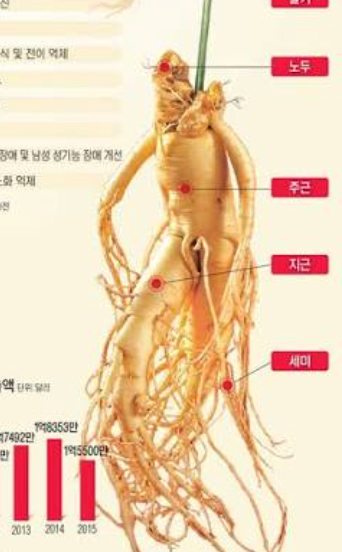
Image Alt Text: Korean ginseng root showing the natural shape and appearance of ginseng
Image Caption: Korean ginseng has been traditionally used for wellness and is widely studied for its potential health benefits.
Image Description: A high-quality image of Korean ginseng roots displayed naturally, highlighting their distinctive shape and appearance. The image represents the traditional use and modern interest in ginseng as a botanical wellness ingredient.

🇰🇷 Premium Korean Ginseng Online Shop
We’re a Korea-based online shop dedicated to authentic, premium Korean ginseng
Boost your health naturally with premium Korean ginseng!
🇰🇷 All orders are shipped directly from Korea with free worldwide shipping.
🎁 20% OFF Your Order — Use Code: vip20 at Checkout— Limited to the First 3 Orders Each Day!