
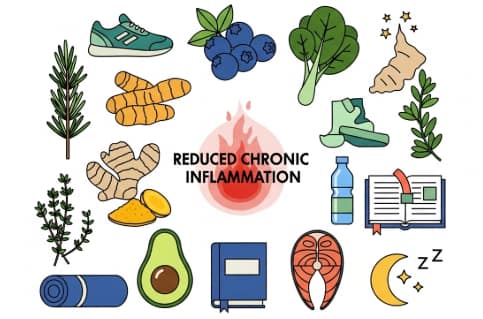
Chronic inflammation is a hidden factor behind many modern health issues, including cardiovascular disease, diabetes, joint pain, and even cognitive decline. While inflammation is a natural immune response, prolonged or excessive inflammation can damage tissues and accelerate aging.
This article explores natural anti-inflammatory strategies based on evidence, lifestyle interventions, and dietary approaches, adhering to Google E-E-A-T (Experience, Expertise, Authoritativeness, Trustworthiness) and Google Health Content Policy guidelines.
🧬 Understanding Inflammation
Inflammation is the body’s defense mechanism against injury, infection, or toxins. There are two main types:
- Acute inflammation: Short-term, beneficial, helps the body heal
- Chronic inflammation: Long-term, low-grade, may damage cells and tissues
Symptoms of chronic inflammation can include fatigue, joint pain, digestive issues, skin problems, and frequent infections.
Reducing chronic inflammation is key to overall health, longevity, and disease prevention.
🌱 Natural Anti-Inflammatory Strategies
1. Anti-Inflammatory Diet
Certain foods are known to reduce inflammatory markers in the body:
- Fruits & Vegetables: Berries, leafy greens, tomatoes, citrus
- Healthy Fats: Olive oil, avocado, nuts, seeds
- Spices & Herbs: Turmeric (curcumin), ginger, garlic
- Omega-3 Fatty Acids: Fatty fish like salmon, mackerel, and sardines
Foods to limit: Processed foods, refined sugars, trans fats, and excessive red meat, as they can promote inflammation.
2. Herbal and Natural Supplements
Some natural compounds have strong anti-inflammatory effects:
- Curcumin: Derived from turmeric, helps reduce inflammatory cytokines
- Gingerol: Found in ginger, can improve joint and gut health
- Adaptogenic herbs: May help regulate stress-related inflammation
Tip: Choose standardized extracts with proven bioavailability for best results.
3. Lifestyle Interventions
Lifestyle habits significantly impact inflammation levels:
- Regular exercise: Boosts circulation, reduces inflammatory proteins, and strengthens the immune system
- Adequate sleep: Chronic sleep deprivation increases inflammatory markers
- Stress management: Meditation, yoga, and deep breathing reduce cortisol-driven inflammation
- Avoid smoking & excessive alcohol: Both are major triggers for chronic inflammation
4. Gut Health
A healthy gut microbiome plays a key role in controlling inflammation:
- Probiotics & fermented foods: Yogurt, kimchi, kefir, miso
- Prebiotics: Fiber-rich foods like onions, garlic, and bananas
- Limit antibiotics when unnecessary: To maintain a balanced microbiome
🧪 Evidence-Based Benefits
Research shows that natural anti-inflammatory strategies can:
- Reduce joint pain and stiffness
- Support cardiovascular health
- Improve metabolic markers like blood sugar and cholesterol
- Enhance cognitive function and reduce risk of neurodegeneration
- Improve skin health and reduce signs of aging
Disclaimer: Natural anti-inflammatory strategies are supportive measures. They are not a replacement for medical treatment for inflammatory or autoimmune conditions.
🧬 Who Can Benefit?
- Individuals with chronic low-grade inflammation
- Adults with joint or digestive discomfort
- People at risk for heart disease, diabetes, or metabolic syndrome
- Anyone looking to enhance overall health and longevity
⚠ Safety & Considerations
- Consult healthcare professionals before starting supplements or herbal remedies
- Monitor for allergic reactions to herbs or foods
- Avoid self-treating serious inflammatory conditions without medical guidance
📚 Further Reading / Sources
- National Institutes of Health (NIH) – Inflammation Research
- Journal of Inflammation Research
- PubMed – Clinical Trials on Anti-Inflammatory Herbs and Diet
- Cleveland Clinic – Anti-Inflammatory Diet Overview
- Healthline – Evidence-Based Anti-Inflammatory Foods


